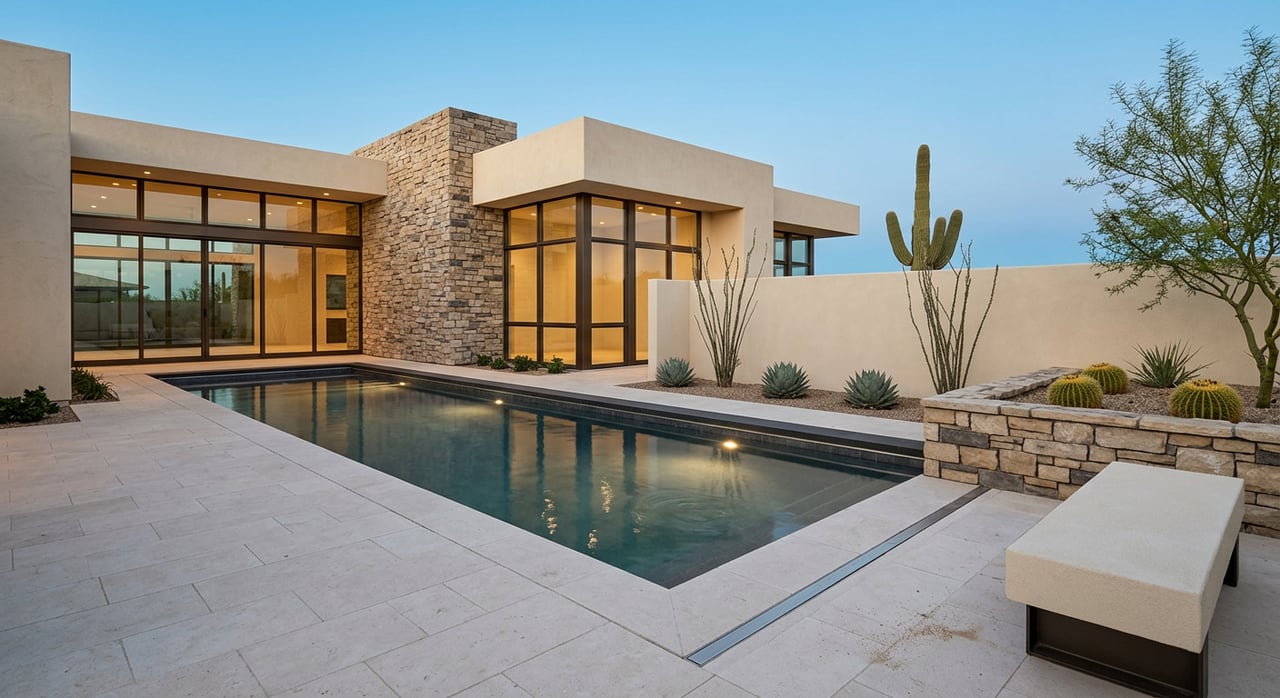
Picture yourself stepping off a short flight, driving past saguaro-studded hills, and unlocking a sun-warmed retreat that is ready whenever you are. If you are exploring a Tucson luxury second home, you want the right setting, low-effort ownership, and confidence about costs and rules. In this guide, you will learn how Tucson’s top luxury areas compare, what to expect by season, how rental rules work, and the practical steps to buy with clarity. Let’s dive in.
Tucson luxury at a glance
Tucson’s overall home values are lower than many coastal markets, but premier submarkets command premium prices. In the Catalina Foothills, average value indexes were roughly in the $700,000 range in early 2026, reflecting strong demand for mountain-view properties and established luxury comparables. You can review current trends on the Catalina Foothills values page from Zillow.
- View the Catalina Foothills value snapshot on Zillow: current home value indexes
Dove Mountain in Marana spans a wide range, from village entry-level homes to custom resort estates. This area attracts buyers who want golf, spa, and club amenities integrated into day-to-day living. For a market overview, see real estate trends in Dove Mountain.
Travel times matter too. Catalina Foothills is typically about 30 to 35 minutes from Tucson International Airport, depending on exact address and traffic. If you plan frequent trips, test your door-to-door time using a resource like Travelmath’s TUS to Catalina Foothills drive time.
Choose your setting
Each of Tucson’s luxury settings offers a distinct lifestyle. Start by deciding what you value most: instant resort amenities, mountain views, in-town privacy, or acreage and space.
Urban desert estates
These are larger-lot homes inside or just outside city limits, with desert landscaping, patios, and often a pool. You get privacy and easy access to restaurants, medical centers, galleries, and the University of Arizona. Drives to TUS are shorter than many rural parcels.
- Best for: Quick access to dining, culture, and healthcare, with a private desert feel.
- What you get: 0.5 to 5+ acre lots, outdoor living, and mature desert settings.
- Tradeoffs: Desert yards, pools, and A/C systems need regular service. Some properties have septic or well systems that add annual maintenance.
- Rental picture: Moderate. Neighborhood or HOA rules may limit rentals. Proximity to city events and university activities can boost demand during peak periods. University athletics contribute to local visitation, as noted by Arizona Athletics’ economic impacts.
Catalina Foothills
The Catalina Foothills is an established luxury corridor known for dramatic mountain views and strong resale demand for view lots. You will find step-sited homes designed to capture vistas and privacy, along with quick access to upscale amenities. Typical airport drive times run about 30 to 35 minutes.
- Best for: Iconic Catalina Mountain views and a mature luxury market.
- What you get: View-focused architecture, hillside lots, and strong lifestyle amenities.
- Tradeoffs: Hillside sites can increase maintenance and wildfire mitigation needs. Water and sewer may vary by address, so verify utilities and any septic systems.
- Rental picture: Limited to moderate. Many homes serve as personal seasonal retreats. Always confirm HOA and county rules before planning any rentals.
For a current value snapshot, explore Zillow’s Catalina Foothills page. For airport timing context, reference TUS to Catalina Foothills drive time.
Dove Mountain and Marana
Dove Mountain blends master-planned convenience with high-end resort living. Communities feature golf, fitness, spas, and gated enclaves that are ideal for lock-and-leave ease. Pricing ranges from entry villages to custom luxury estates. Review the Dove Mountain market overview for context.
- Best for: Low-effort living with on-site amenities and club access.
- What you get: Resort services, architectural controls, and HOA-maintained neighborhoods.
- Tradeoffs: Higher monthly HOA dues and design guidelines. Short-term renting follows local licensing and insurance rules.
- Rental picture: Potentially strong for short stays tied to golf and leisure travel, but performance varies by season and compliance. The Town of Marana requires short-term rental licensing, neighbor notification, and minimum liability insurance. Review the town’s short-term rental licensing requirements before you buy if renting is part of your plan.
Acreage and rural holdings
If privacy and room to spread out top your list, larger parcels on Tucson’s fringe or deeper into Pima County may fit. These properties can support custom compounds or equestrian uses, but bring different utility and permitting realities.
- Best for: Space, privacy, and custom design options.
- What you get: Big views, fewer nearby neighbors, and the potential for specialized uses.
- Tradeoffs: Longer drives, wildfire and wash/flood considerations, and more complex water and septic needs. Municipal water often does not extend to remote parcels, so verify service maps and assured-supply designations. For background on local water utilities, see this overview of Marana Water and Tucson Water service contexts.
- Rental picture: Nightly rental revenue is often lower than resort areas. Some parcels suit retreats or long-term rentals instead of frequent short stays.
Out-of-state buyer checklist
Use this concise framework to narrow your search and avoid surprises.
Travel convenience and frequency
- Measure door-to-door time, not just flight time. Catalina Foothills is typically about 30 to 35 minutes from TUS, while Dove Mountain can be 30 to 50 or more depending on the community and traffic. Test your route using TUS to Catalina Foothills drive time and by driving to the areas you like.
Seasonality and planned use
- Tucson’s prime season runs autumn through spring. Summers are very hot, and monsoon season runs roughly June through September with daily storm and dust risks. Plan HVAC and pool settings, dust management, and rental pricing for summer. Get oriented with this overview of Arizona monsoon timing and conditions.
Maintenance and service planning
- Budget for pool service, HVAC tune-ups, and desert-landscaping care. If you will not be local, interview property managers and compare fees, scope, and response standards. Cleaning and turnover costs can affect rental returns.
Insurance and wildfire exposure
- Homes near foothills and desert canyons may face higher wildfire risk. Insurers can adjust premiums or coverage in these areas. Before you commit, ask an insurance broker for a coverage indication and estimated premium for the specific address. The Arizona Department of Insurance provides helpful homeowners insurance FAQs.
Water and utilities
- Confirm if the home uses municipal water or a private well, and whether it is on sewer or septic. Service boundaries and assured-supply designations can affect long-term costs and development rights. For regional context, see this review of Marana Water and Tucson Water service considerations.
Taxes and recurring charges
- Pima County property tax levies vary by tax area. Second homes generally do not receive primary-residence exemptions. Budget for taxes, HOA dues, and any local lodging taxes if you host short-term stays. Visit the county’s page on property tax levies and rates.
Short-term rental rules
- Arizona law allows cities and towns to regulate short-term rentals for health, safety, and nuisance control while preempting outright bans. Review the state law on short-term rentals and any city or town licensing where you buy. In Marana, confirm short-term rental licensing, insurance, and notifications before you project income.
Event-driven rental demand
- Tucson’s event calendar creates peak demand windows. University athletics and major conventions can lift occupancy and rates in nearby areas. Read how Arizona Athletics drives local economic activity to understand why certain dates can outperform.
What to do next
You can move from research to results with a simple plan.
- Define your non-negotiables
- List your top priorities: months of use, quick airport access, need for a pool, HOA tolerance, and whether you plan to rent. Use this to rank the four settings above.
- Align the right local team
- Partner with a buyer’s agent who works daily in your target submarket. Catalina Foothills and Dove Mountain behave differently, so hyper-local insight matters.
- Add a title/closing attorney and CPA to review property tax and any transient lodging taxes if you intend to rent. Start with Pima County’s property tax levies and rates to frame expectations.
- Speak with an insurance broker early for a coverage indication and wildfire context. Arizona’s homeowners insurance FAQs can help you form the right questions.
- Verify parcel-level details before you offer
- Confirm water and sewer service or well and septic permits.
- Review HOA rules, especially rental policies and design controls.
- Check floodplain status and any wildfire mitigation needs.
- Get estimated insurance and property tax numbers for the exact address.
When you are ready to refine your search or tour select homes, request a confidential market consultation with The Bonn Team. You will get clear guidance on submarket fit, early access to listings, and a smooth path from offer to close.
FAQs
What are the best areas for a Tucson luxury second home?
- Catalina Foothills offers premier mountain views and an established luxury market. Dove Mountain in Marana delivers resort and golf amenities with broad price points. Urban desert estates provide in-town privacy, while acreage suits buyers who want space and custom options.
How long is the drive from Tucson International Airport to the Catalina Foothills?
- It is typically about 30 to 35 minutes in normal traffic, depending on your exact address within the Foothills.
Can I rent my second home in Marana as a short-term rental?
- Yes, but you must comply with local rules. Marana requires a short-term rental license, neighbor notifications, and minimum liability insurance. State transaction privilege tax registration also applies.
When is Tucson’s monsoon season, and does it affect ownership?
- Monsoon season runs roughly June through September. Expect high heat, afternoon storms, and dust. Plan for HVAC settings, pool service, and adjusting rental pricing or usage during summer.
What should I check about water and utilities before buying?
- Confirm whether the home has municipal water or a private well and whether it is on sewer or septic. Service boundaries and assured-supply designations affect costs and future options. Always verify at the parcel level.
How do property taxes work for a Pima County second home?
- Taxes vary by tax area. Second homes typically do not receive primary-residence exemptions, so budget for county property taxes, HOA dues, and any lodging taxes if you host short-term stays.