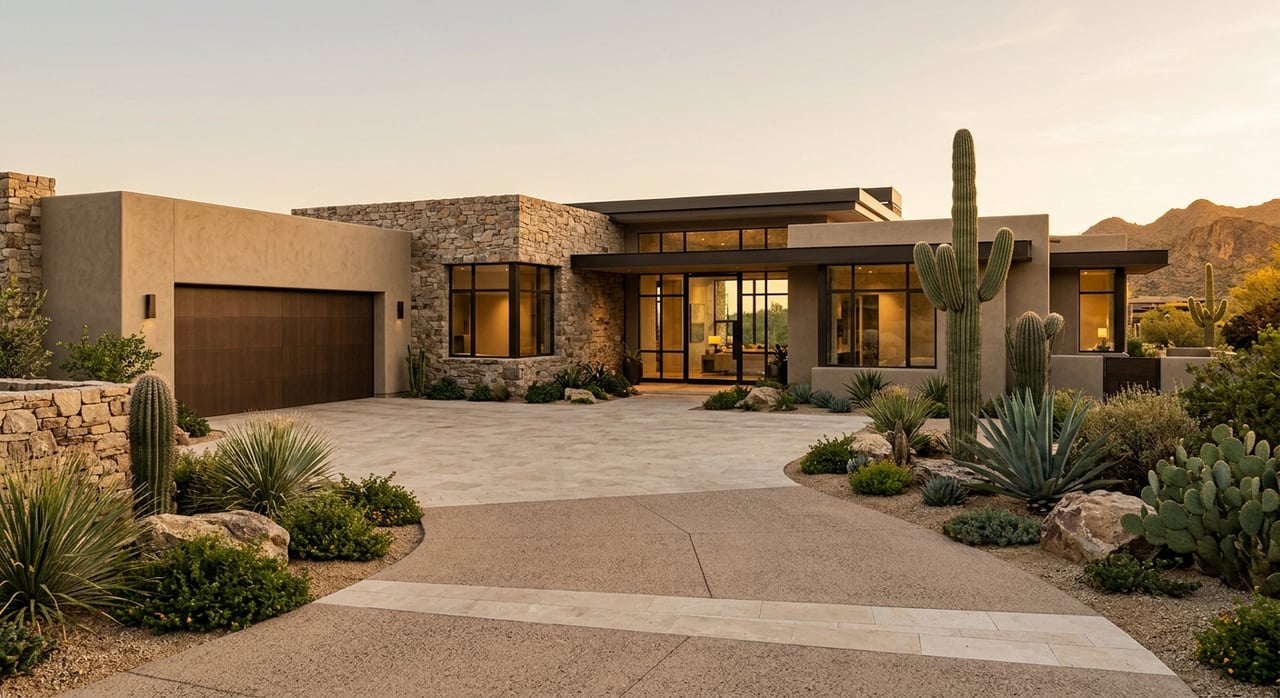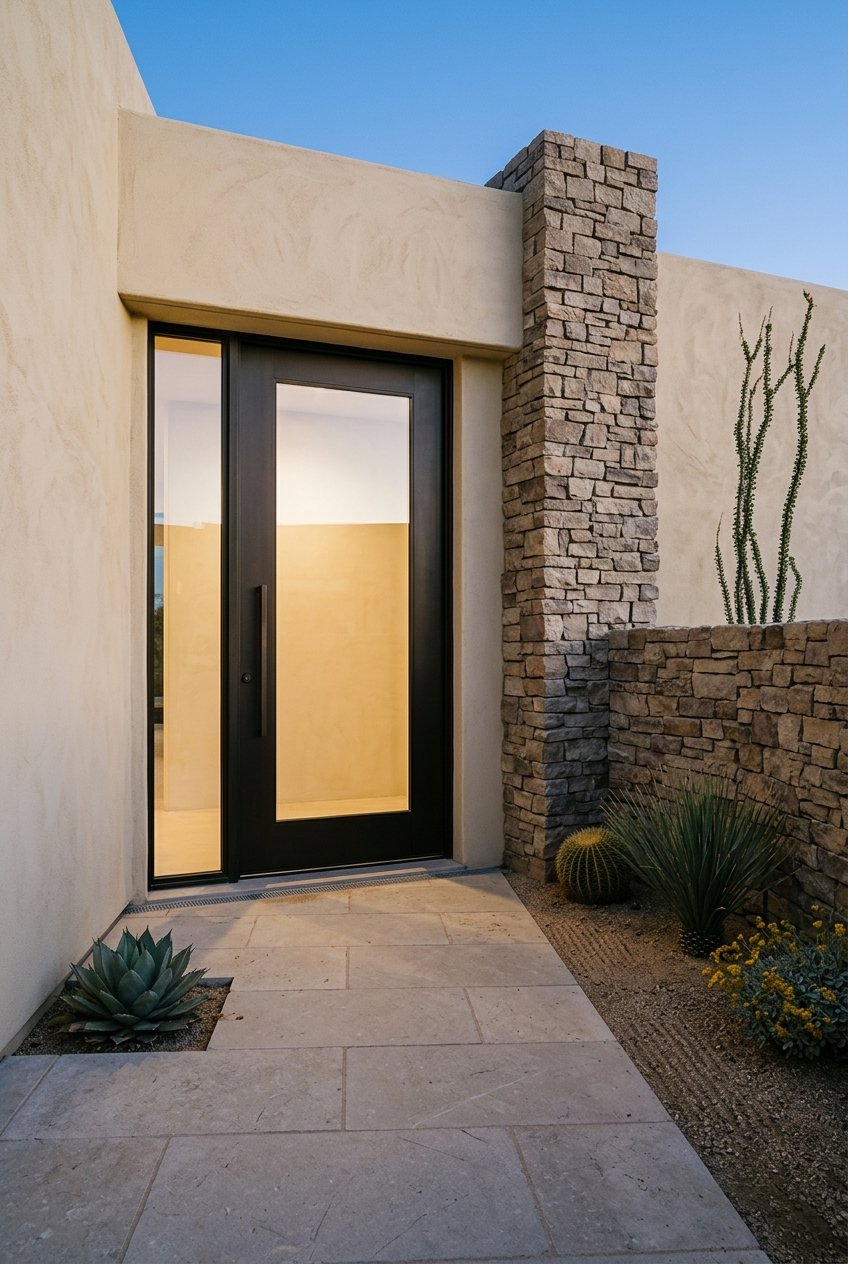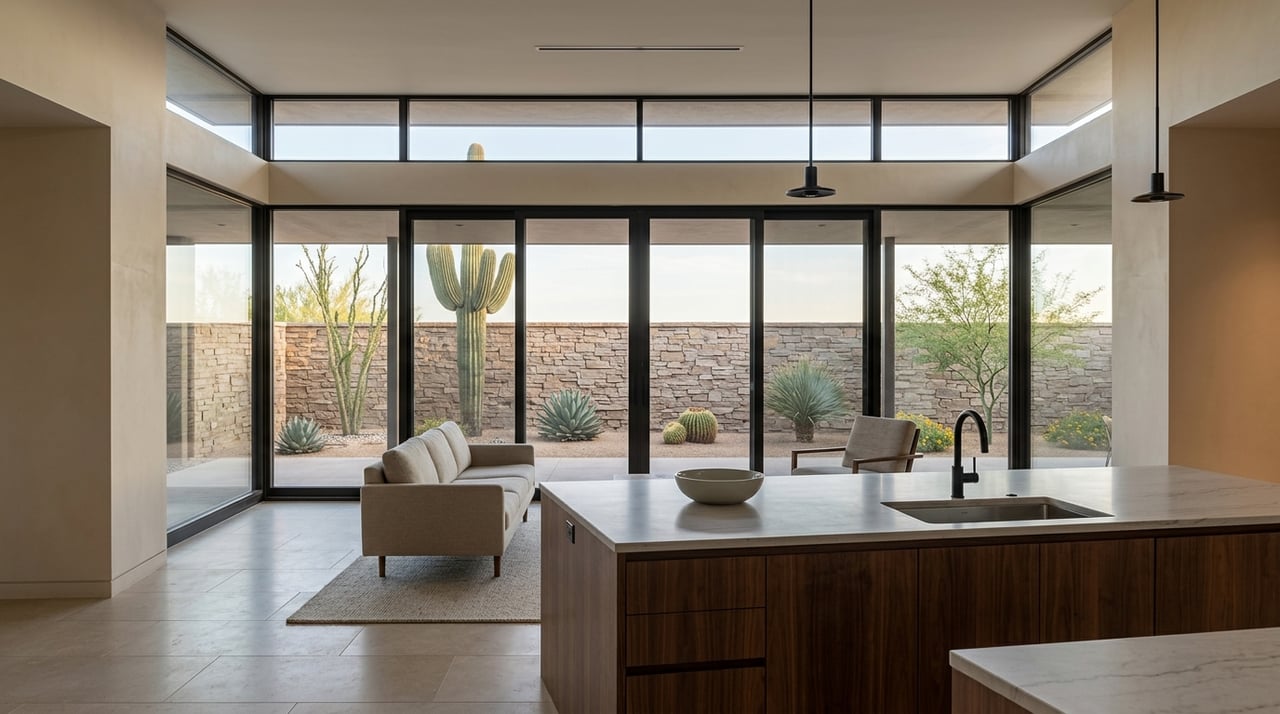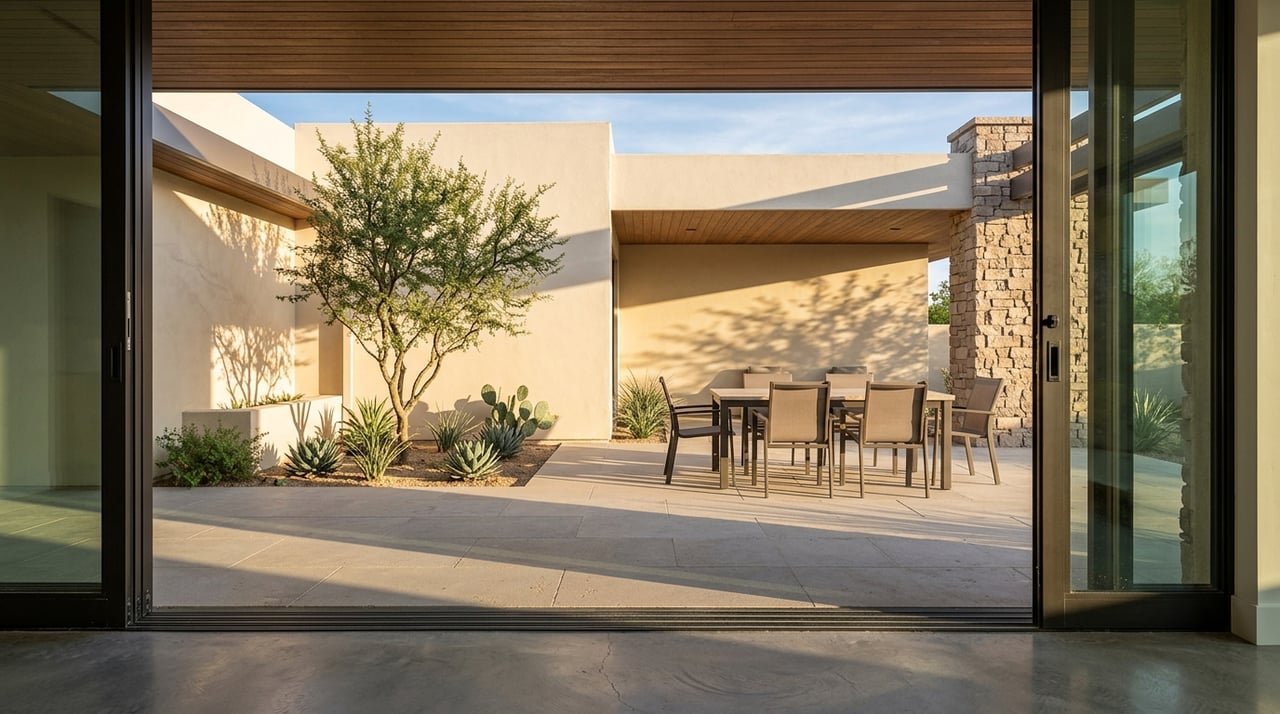
If you are searching for a luxury home in Tucson, the season you visit can shape what you notice just as much as the home itself. A patio that feels perfect in January may tell a different story in July, and a dramatic monsoon afternoon can reveal details no listing photos ever will. When you understand Tucson’s seasonal rhythm, you can evaluate comfort, views, outdoor living, and long-term usability with more confidence. Let’s dive in.
Why season matters in Tucson
Tucson is a high-desert market, and the climate plays a big role in how a property lives day to day. According to NOAA and the National Weather Service Tucson normals, average highs are about 65.5°F in December and 69.2°F in February, then rise to 82.9°F in April, 91.8°F in May, and around 100 to 101°F in June and July.
That swing is not minor. Tucson also averages 68 days at 100°F or hotter and more than 340 days of sunshine each year, which means sunlight, heat exposure, and shade are central to the luxury buying experience.
Winter tours show lifestyle appeal
Winter is often the easiest season for long home tours. Mild days and cooler evenings make it comfortable to linger on patios, compare mountain views, and see how outdoor living spaces feel when the sun sits lower in the sky.
This can be especially helpful if you are drawn to homes where terraces, courtyards, pools, and view decks are part of the lifestyle. In winter, you can better judge sunset orientation, evening ambiance, and how inviting an outdoor room feels when conditions are pleasant enough to actually use it.
What winter reveals best
Winter is a strong season for noticing lifestyle details such as:
- patio comfort during the day
- sunset views and mountain orientation
- evening light and outdoor ambiance
- how open-air entertaining spaces connect to the home
Winter can also help you gauge how a neighborhood feels during one of Tucson’s busier visitor periods. The Tucson Gem, Mineral & Fossil Showcase begins in late January, runs for nearly a month, and brings tens of thousands of visitors to the city each year. If you are touring during that window, some areas may feel more active than they do at other times.
Summer tests how a home performs
If winter shows lifestyle appeal, summer shows performance. Tucson’s hottest months are often the clearest test of whether a home will feel comfortable in real life.
With June and July average highs around 100°F or more, summer tours can reveal whether the home handles extreme heat well. This is when details like HVAC performance, insulation, window exposure, and backyard usability become much easier to judge.
What to look for in summer
When you tour a luxury home in summer, pay close attention to:
- afternoon sun in primary living spaces
- west-facing windows and how much heat they draw
- covered patio depth and available shade
- pool exposure and whether the yard remains usable
- cooling performance across different rooms
Summer is also a practical time to ask whether an outdoor space is truly functional in July and August, or mainly enjoyable in winter and spring. A beautiful backyard can still fall short if it becomes difficult to use during the hottest part of the year.
Monsoon reveals the property under stress
In Tucson, monsoon is not just another part of summer. The National Weather Service Tucson defines monsoon season as June 15 through September 30 and warns of lightning, dust storms, and flash flooding.
For luxury buyers, that matters because monsoon conditions can expose how a property handles weather stress. A home may look polished on a sunny day, but heavy rain and wind can reveal much more about durability and site planning.
What monsoon can uncover
During monsoon season, you may be able to evaluate:
- grading and site drainage
- driveway runoff and water flow
- roof condition and water handling
- patio and hardscape performance in storms
- how sheltered outdoor areas feel during wind and rain
This is one reason a summer visit can be so valuable, even if it is not the easiest time of year to tour. The season may be less flattering, but it can be more informative.
Spring and fall give a balanced view
If you want a more neutral read on both the home and the surrounding area, spring and fall are often excellent times to visit. Weather normals for Tucson show that March and April generally sit in the upper 70s to low 80s, while October and November bring mid-70s to mid-80s with less extreme heat than midsummer.
These shoulder months make it easier to compare neighborhoods, walk the block, and assess outdoor spaces without the distortion of winter crowds or summer extremes. For many buyers, they offer the clearest middle-ground perspective.
Why shoulder seasons help
Spring and fall are especially useful for:
- comparing multiple neighborhoods in one trip
- walking outdoor spaces at different times of day
- noticing light, breeze, and privacy
- getting a realistic sense of daily comfort
If you are relocating or buying a second home, these months can make it easier to focus on the full picture rather than reacting mainly to weather.
Tucson microclimates change the experience
One of the most important parts of a Tucson luxury home search is remembering that the city does not feel the same everywhere. Visit Tucson describes a landscape of dry riverbeds, rolling hills, canyons, and mountain ranges, and the University of Arizona’s climate research notes that topography is a major source of local climate variation.
In practical terms, two homes a few miles apart can feel very different in sun exposure, breeze, temperature, and evening comfort. That can shape not only your comfort level, but also how often you use terraces, courtyards, and pools.
Neighborhood feel shifts by season
Season also changes how different parts of Tucson feel. More urban areas such as Downtown, Rio Nuevo, Fourth Avenue, Main Gate, and El Presidio tend to feel more event-oriented and active, especially when the city calendar is busy.
By contrast, the Catalina Foothills and Oro Valley side of the market often lean more toward mountain views, resort-style settings, and outdoor recreation. That difference can become more noticeable as temperatures change across the year.
Foothills and resort-style areas
In areas tied closely to mountain settings and outdoor living, the season can have a major effect on how a home feels. According to Visit Tucson’s overview of the region, foothills destinations near the Catalina Mountains connect strongly to the surrounding landscape, and nearby outdoor destinations in Oro Valley note that fall, winter, and spring tend to offer the most inviting conditions.
For luxury buyers considering the Catalina Foothills, Oro Valley, or Marana and Dove Mountain, this means one visit may not tell the whole story. A view property that feels magical on a crisp winter evening may need a second look in warmer weather to understand shade, heat, and usability.
Questions to ask on every tour
No matter when you visit Tucson, a few seasonal questions can help you evaluate a luxury home more carefully.
Ask about year-round comfort
As you tour, consider:
- How does the home handle afternoon sun?
- Are the primary living areas exposed to strong western light?
- Is there enough covered outdoor space to make patios usable in hotter months?
- Do the pool, yard, and outdoor kitchen feel practical beyond winter?
Ask about weather resilience
You should also look at:
- whether grading appears to move water away from the home
- how hardscape and driveways may handle monsoon runoff
- whether exterior materials appear suited to high sun exposure
- how comfortable the property feels at different times of day
These details can help you move beyond first impressions and toward a more complete view of value.
Should you visit more than once?
For many out-of-state buyers and relocators, the answer is yes. If your schedule allows, seeing Tucson in more than one season can give you a stronger read on both the property and the neighborhood.
A winter trip may show you why a home feels elegant and easy to enjoy. A summer or monsoon visit may show you whether that same home works just as well when conditions are less forgiving.
If you are planning multiple tours, it also helps to group showings by area. Visit Tucson notes that distances across the city can be relatively long, so organizing by geography can make your search more efficient and less rushed.
A smarter way to search Tucson luxury
In a market like Tucson, timing is part of the strategy. The right season can help you understand not just how a luxury home looks, but how it lives.
That is especially true in the Catalina Foothills, Oro Valley, and Marana and Dove Mountain corridors, where views, elevation, outdoor rooms, and siting can shape the ownership experience as much as square footage. If you want guidance that is both highly personalized and grounded in local nuance, The Bonn Team can help you evaluate properties with the level of care, discretion, and detail a luxury purchase deserves.
FAQs
Which season best shows whether a Tucson luxury home is comfortable?
- Summer often shows the most about true day-to-day performance because extreme heat can reveal HVAC strength, shade quality, window exposure, and backyard usability.
How does monsoon season affect a Tucson home search?
- Monsoon season can help you evaluate drainage, grading, roof condition, and how patios, driveways, and other exterior features handle storms, wind, and runoff.
Are spring and fall good times to tour homes in Tucson?
- Yes. Spring and fall usually offer a balanced experience for comparing neighborhoods, walking properties, and assessing outdoor spaces without peak winter activity or peak summer heat.
Do Tucson neighborhoods feel different depending on the season?
- Yes. Urban, event-oriented areas may feel more active during busy visitor periods, while foothills and resort-style areas can feel especially tied to weather, views, and outdoor comfort.
Should relocators visit Tucson more than once before buying?
- If possible, yes. Visiting in more than one season can give you a clearer sense of year-round comfort, neighborhood atmosphere, and how a property performs beyond first impressions.