Selling an estate in La Cholla Airpark is not like listing a traditional home. You are presenting an aviation property, often with equestrian facilities and multi‑acre grounds, inside a private airpark with specific operating rules. You want to maximize value while keeping everything safe, compliant, and polished. This guide walks you through the exact steps, documents, visuals, and timelines that help you launch a standout listing at 57AZ. Let’s dive in.
Know the airpark rules first
La Cholla is a private residential airpark, identified as La Cholla Airpark (57AZ). The lighted asphalt runway 01/19 measures about 4,500 feet by 44 feet at roughly 2,940 feet MSL. Community materials note large acreage homesites and a resident‑focused operating model that prioritizes safety and orderly access to aviation amenities. Review the community site to understand how operations and amenities are structured at La Cholla Airpark (57AZ).
Showings and buyer fly‑ins
Transient pilots must submit a Prior Permission Request at least 48 hours before arrival and provide proof of insurance. Transient jet operations are prohibited, and owner operations follow different allowances. Coordinate any buyer fly‑in showings early using the process outlined on the La Cholla pilot information page.
Ground safety and open‑house logistics
Inside the community, certain roadways function as taxiways, and aircraft have right‑of‑way. Vehicles may only cross the runway with prior permission using the community’s runway crossing procedures. These policies affect how you place signs, direct traffic, and schedule activity on listing day. Review the published Pilot Operating Procedures so your plan respects airfield operations.
Drone and aerial policy
If you plan drone photography, hire a commercial operator with an FAA Part 107 Remote Pilot Certificate. Operators must follow FAA rules and, where needed, obtain LAANC authorization for controlled airspace. La Cholla also asks operators within 5 miles to notify the airpark following the steps on the community drone information page. You can verify FAA requirements on the Part 107 overview and LAANC authorization pages.
Get aviation and equestrian spaces market ready
Well‑prepared specialty spaces set the tone for premium pricing. Focus on safety, function, compliance, and clean presentation so buyers see value without distractions.
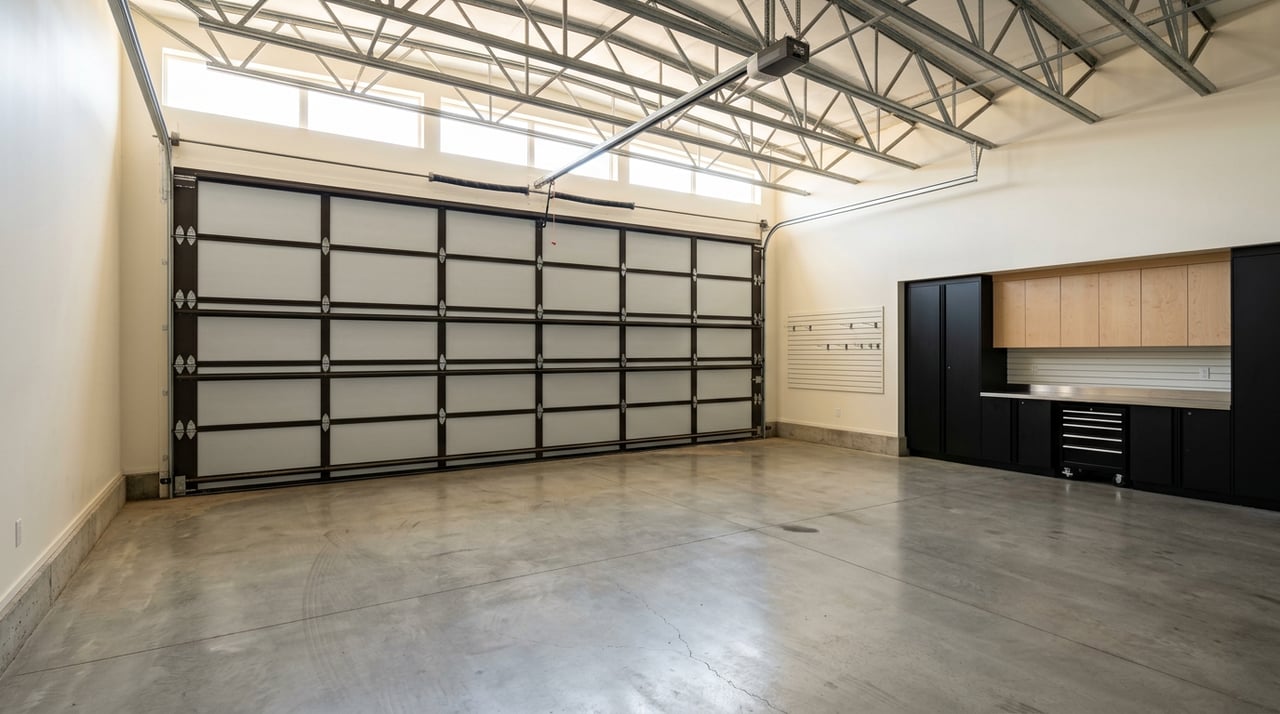
Stage the hangar and workshop
Buyers will study hangar dimensions, door function, apron depth, and workspace quality. Before photos:
- Measure and list interior dimensions, door clear opening, and apron depth. Photograph the door opening and closing, and show the taxi line to the private taxiway.
- Clean and declutter. Remove loose tools, wipe oil stains, and store personal paperwork out of sight.
- Highlight safety: visible fire extinguishers, grounded outlets, labeled oil and fuel storage. If you have any fuel tank or refueling setup, gather permits, containment documentation, and Fire Marshal approvals. Oro Valley’s interpretation allows certain accessory fuel storage but requires strict Fire Code compliance. Review the town’s fuel storage interpretation before marketing any fuel amenity.
- If you plan to move an aircraft for photos, coordinate with the airpark and follow PPR and insurance rules on the pilot information page.
Present equestrian facilities as functional assets
- Repair or replace damaged boards or gates. Clean stalls, sweep aisleways, and show turnout areas clearly.
- Document arena dimensions and footing type, and photograph paddocks and cross‑fencing.
- If your horses are on a private well, pull well registration and recent water‑quality records to include in the buyer packet.
Prepare acreage, access, and views
- Provide a recent survey or boundary map and make sure gate access and driveway surfaces are in good condition.
- Clear brush along driveways and aprons, address any erosion, and remove unused materials.
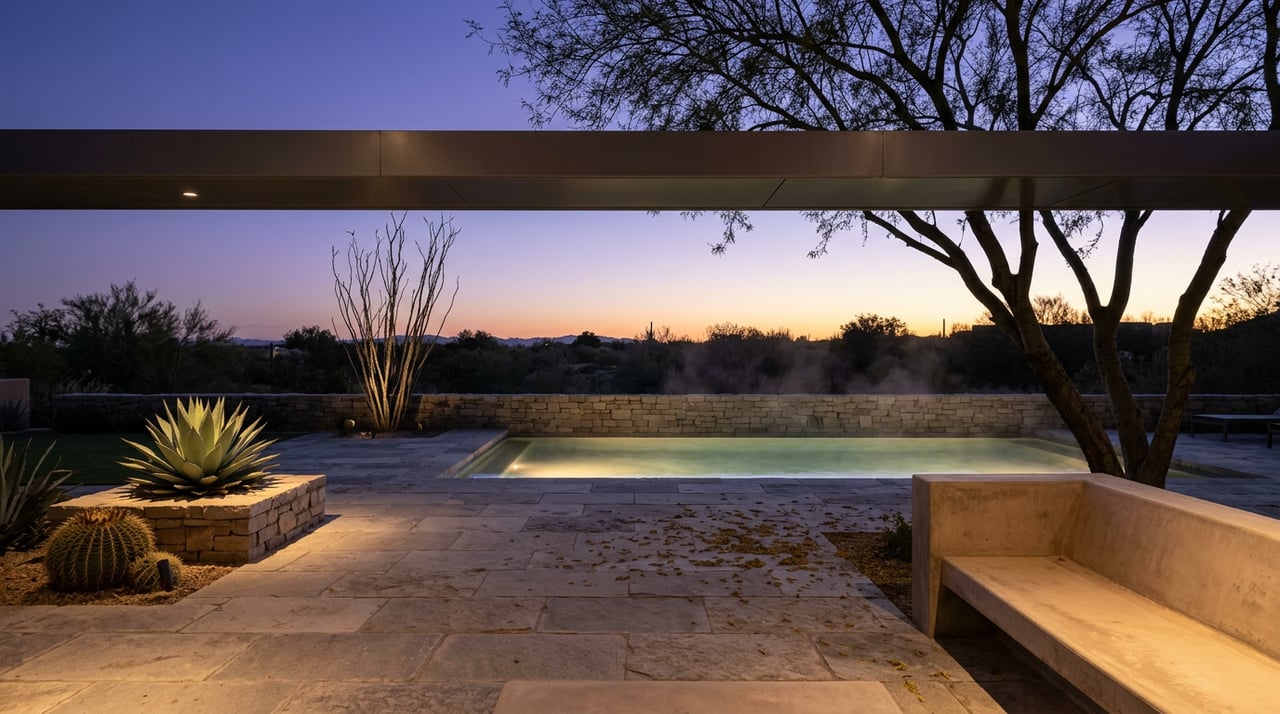
- When possible, frame images to capture Tortolita and Catalina mountain vistas highlighted in community materials.
Assemble a complete due diligence packet
Sophisticated buyers and their lenders expect clean, comprehensive documentation. A strong packet accelerates decisions and reduces risk of delays.
Title, easements, and plats
Gather the current title report, recorded deed, and all recorded easements. For airpark estates, confirm whether taxiway tie‑in rights are deeded, established by recorded plat, or governed by association agreements. Include any maintenance agreements for shared roads or taxiways.
Association and airpark documents
Request the latest CC&Rs, bylaws, rules and regulations, fee schedules, and proof of good standing. Include the current Pilot Operating Procedures and PPR details so buyers can review them in advance. The airport’s policy pages and the published procedures help set expectations for operations and safety.
Permits and building records
Compile building permits, certificates of occupancy where applicable, electrical permits, approved plans for hangars, workshops, barns, and any additions. Unpermitted work is a common source of closing delays.
Fuel storage and refueling documentation
La Cholla lists a self‑serve 100LL fueling system at the ramp. If your property has private fuel storage, be ready to show permits, spill‑prevention plans, and Fire Marshal correspondence. Marketing fuel without documented Fire Code compliance is a red flag. For policy context, review Oro Valley’s fuel storage interpretation.
Water and septic
In Arizona, well registration and driller logs are maintained by ADWR. Gather your registration, pump records, and recent water‑quality tests. For septic, Pima County requires a qualified inspection and Report of Inspection within six months before transfer. Plan this early and share the county’s process with buyers using the Pima County septic transfer guidance.
Aircraft, if included in the sale
If an aircraft conveys, organize FAA registration, airworthiness documents, complete maintenance logs, and an aircraft bill of sale. Keep aircraft files separate from real property documents but aligned in your transaction timeline.
Insurance
Provide copies of homeowner policy information and any aviation insurance for based aircraft, hangar coverage, or rental insurance. Airpark pages and PPR materials emphasize current aviation insurance for certain operations and hangar rentals.
Nail the visuals without risking safety
Great visuals are essential for marketing a multi‑acre estate with aviation and equestrian amenities. Plan a tight shot list and follow airfield and FAA rules.
Recommended shot list
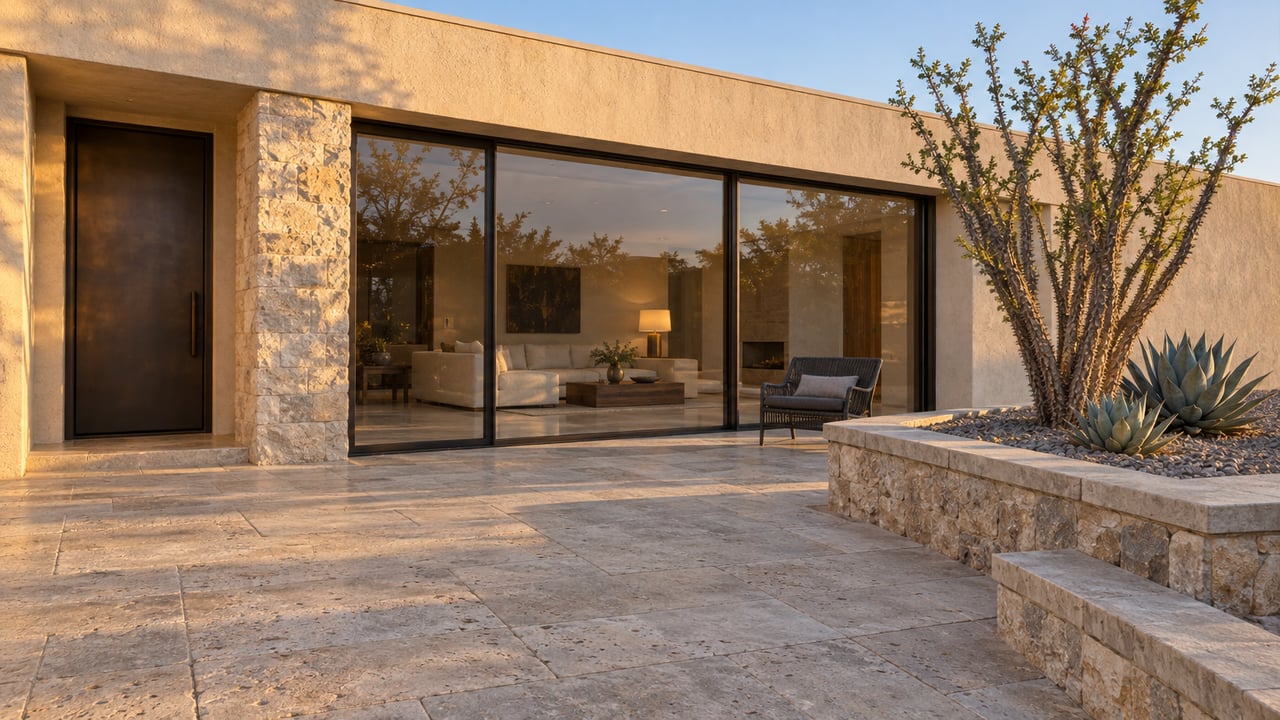
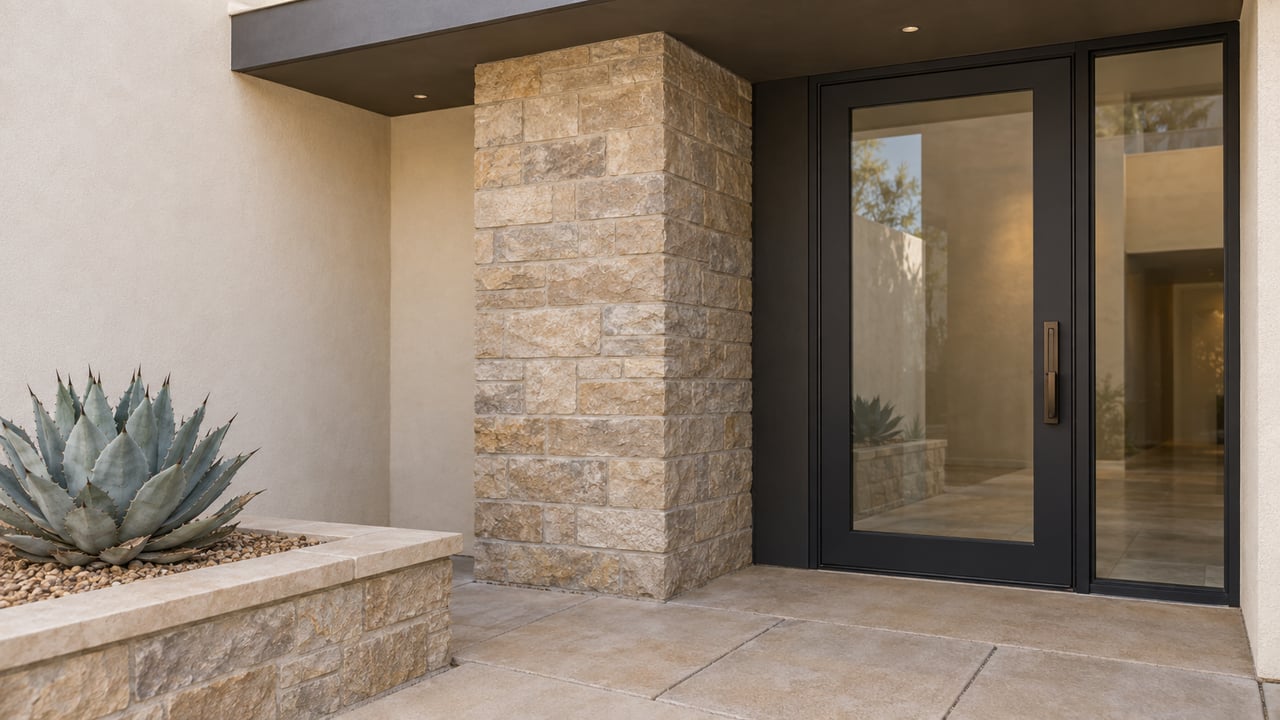
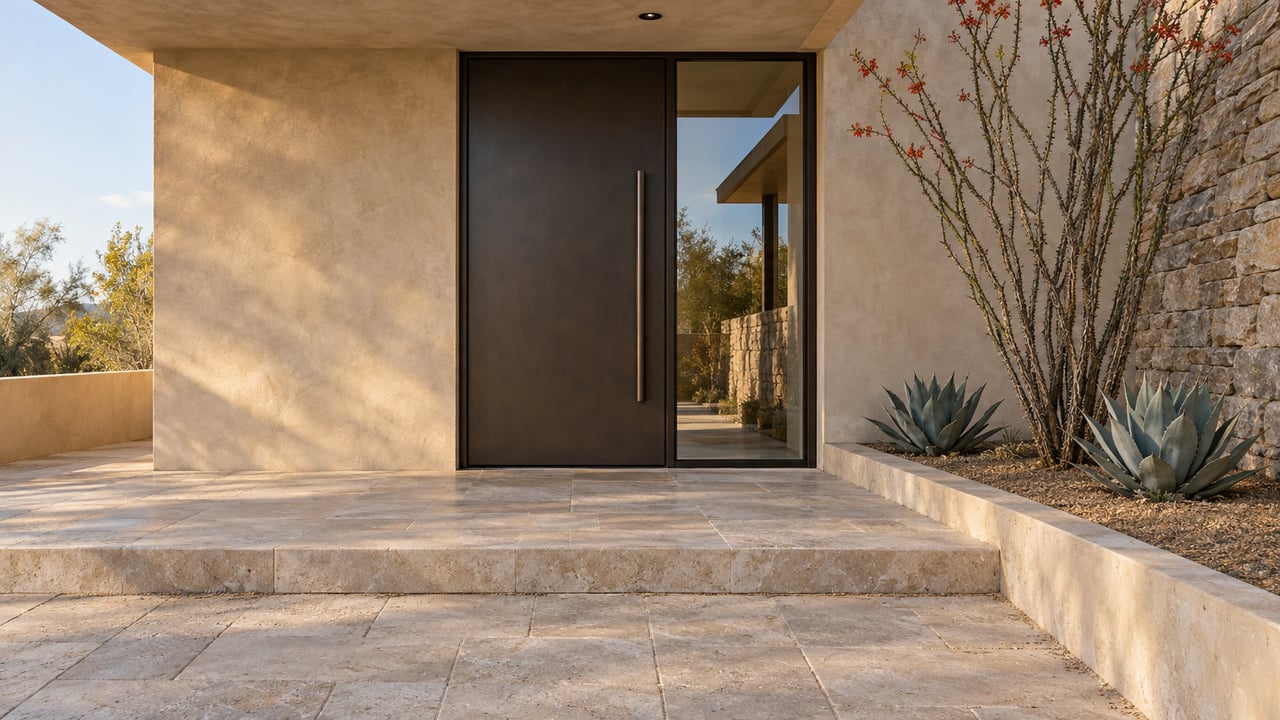
- Still photos: approach drive, front and rear exteriors, hangar exterior with doors closed and open, hangar interior with staged workspace or aircraft, main living areas, kitchen, primary suite, barn and stalls, arena, paddocks, fencing lines, and key infrastructure like the well head or septic access riser.
- Aerial stills: the full property footprint, lot lines or context map, taxiway tie‑in and proximity to the runway and ramp, and broader neighborhood context showing access to Oro Valley and Tucson. Follow the airpark drone notification requirement.
- Drone video, 60 to 120 seconds: sweeping introduction of the property, hangar approach, door opening sequence, equestrian assets, and an overlay with lot lines and runway connection. Any aircraft movement must align with the PPR and insurance rules.
Timing, privacy, and night assets
- Shoot exteriors and aerials at golden hour for the best light, and interiors midday for even illumination.
- Remove personal paperwork, cover license plates, tidy tools and feed, and park equipment out of frame.
- Respect neighbor privacy, and avoid capturing other owners’ parked aircraft without permission. NAR’s guidance on drones reinforces the value of insured, credentialed operators and clear indemnities; review the NAR drone resources when hiring vendors.
- If you want to highlight runway lighting, coordinate a manned activation and ground‑based stills. Night drone flights require specific Part 107 night provisions or waivers, so do not plan an unsanctioned operation. The community’s operating procedures note pilot‑controlled lighting.
Pre‑listing timeline you can follow
- 3 to 4 weeks out: request the HOA packet with CC&Rs, rules, procedures, and any hangar rental records. If you do not have a recent survey, order one. Schedule your septic transfer inspection with a qualified provider. Reference the published procedures for operational context.
- 2 to 3 weeks: complete hangar door service, lighting fixes, and workshop cleanup. Repair fencing or arena items and pull well documentation. If fuel storage is present, assemble permits and Fire approvals per the town interpretation.
- 1 to 2 weeks: schedule interior photography and an FAA‑compliant drone operator. Submit the airpark’s drone notification and allow 48 hours for PPR if a buyer plans to arrive by air. See the airpark drone info and pilot page.
- Listing week: publish your assets and provide an information packet summarizing runway and taxi procedures, association rules, fuel availability, and how qualified buyers request a PPR.
Answer buyer questions before they ask
Proactive answers build confidence and reduce back‑and‑forth during due diligence. Address these items in your property packet:
- Can I base an airplane here? Explain resident aircraft policies, how tie‑in rights work, and what the association manages. Clarify hangar ownership versus any hangar lease.
- Is fuel available? Note the airpark’s self‑serve 100LL at the ramp and provide permits if any private tank is on site.
- Are there restrictions on operations and maintenance? Address policies that prohibit certain operations, such as transient jets, and explain any limits on commercial activity.
- How are runway and taxiways maintained? Provide association maintenance responsibilities, dues status, and any assessments.
- What about septic and wells? Share the Pima County septic transfer inspection and your well registration and testing.
Work with a team that understands 57AZ
Preparing and presenting an airpark estate is equal parts technical and storytelling. You need compliant showings, precise documentation, and visuals that capture runway access, hangar function, equestrian assets, and desert acreage. With boutique, high‑production marketing, custom microsites, professional photography and staging, and meticulous transaction management, you can position your La Cholla property for a premium outcome.
If you want a tailored plan, expert vendor coordination, and a confident launch for your 57AZ estate, connect with The Bonn Team for a confidential consultation.
FAQs
What makes La Cholla Airpark different for showings?
- It is a private residential airpark with specific operating rules, including PPR for transient pilots and ground safety policies that treat certain roads as taxiways; review the Pilot Operating Procedures and pilot info before planning events.
How do buyer pilots request permission to land at 57AZ?
- Transient pilots must submit a Prior Permission Request at least 48 hours before arrival and provide insurance details, as outlined on the La Cholla pilot information page.
What documents prove taxiway access and hangar rights for a listing?
- Provide recorded easements, plats, any association agreements for taxiway tie‑ins, and copies of hangar ownership or lease records; include the latest CC&Rs and rules from the airpark site.
What are the septic transfer rules in Pima County?
- A qualified inspector must complete an approved Report of Inspection within six months before property transfer; sellers share that report and related history per the Pima County guidance.
Can I advertise on‑site aviation fuel at my Oro Valley property?
- Only if you have Fire Code compliant permits and approvals; the town’s fuel storage interpretation allows certain accessory storage within compatible zones but requires Fire Marshal oversight.
What drone rules apply when filming near 57AZ?
- Commercial operators must hold FAA Part 107 certification, follow any LAANC authorizations, and notify the airpark if flying within 5 miles; see FAA Part 107, LAANC, and the airpark’s drone info.
How can I show runway lighting safely in marketing?
- Coordinate a pilot‑controlled lighting activation and capture ground‑based stills; night drone operations require specific Part 107 provisions and should not proceed without proper authorization per the published procedures.
What hangar features should be highlighted in photos?
- Door operation and clearance, apron depth to taxiway, clean oil‑free floors, lighting and electrical, organized workspace, and any permitted infrastructure; keep permits and safety items visible but tidy.