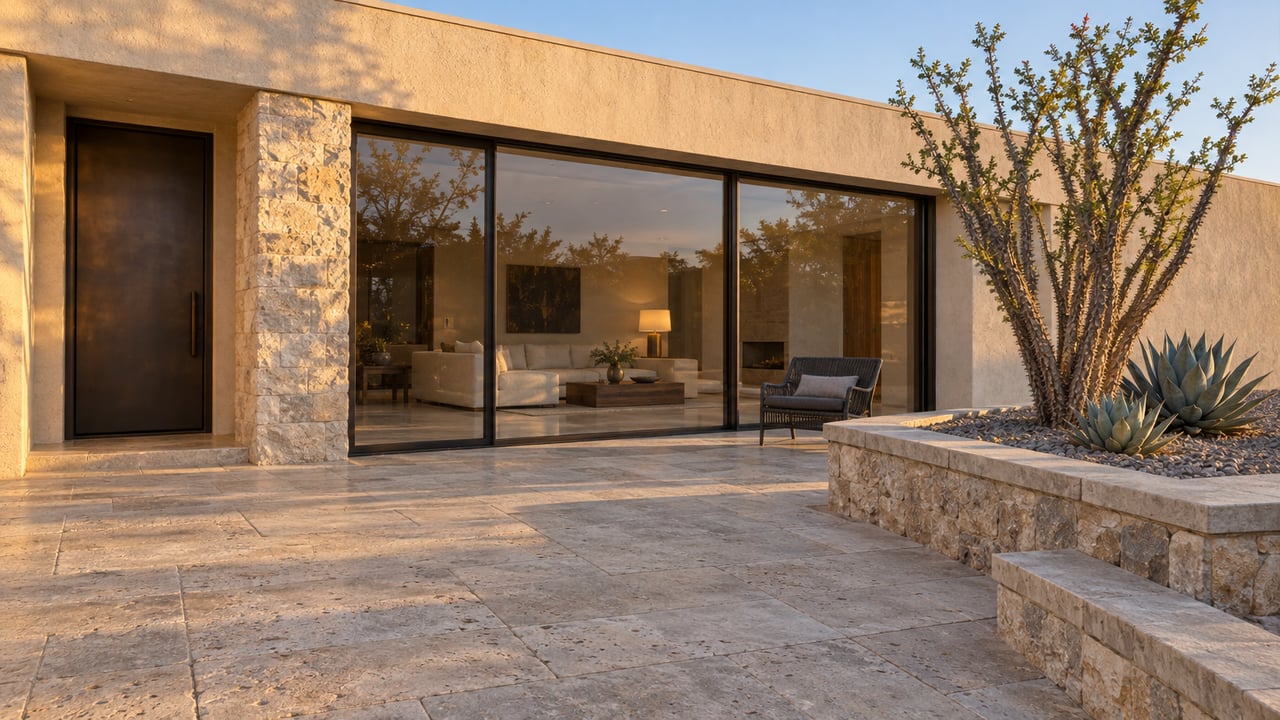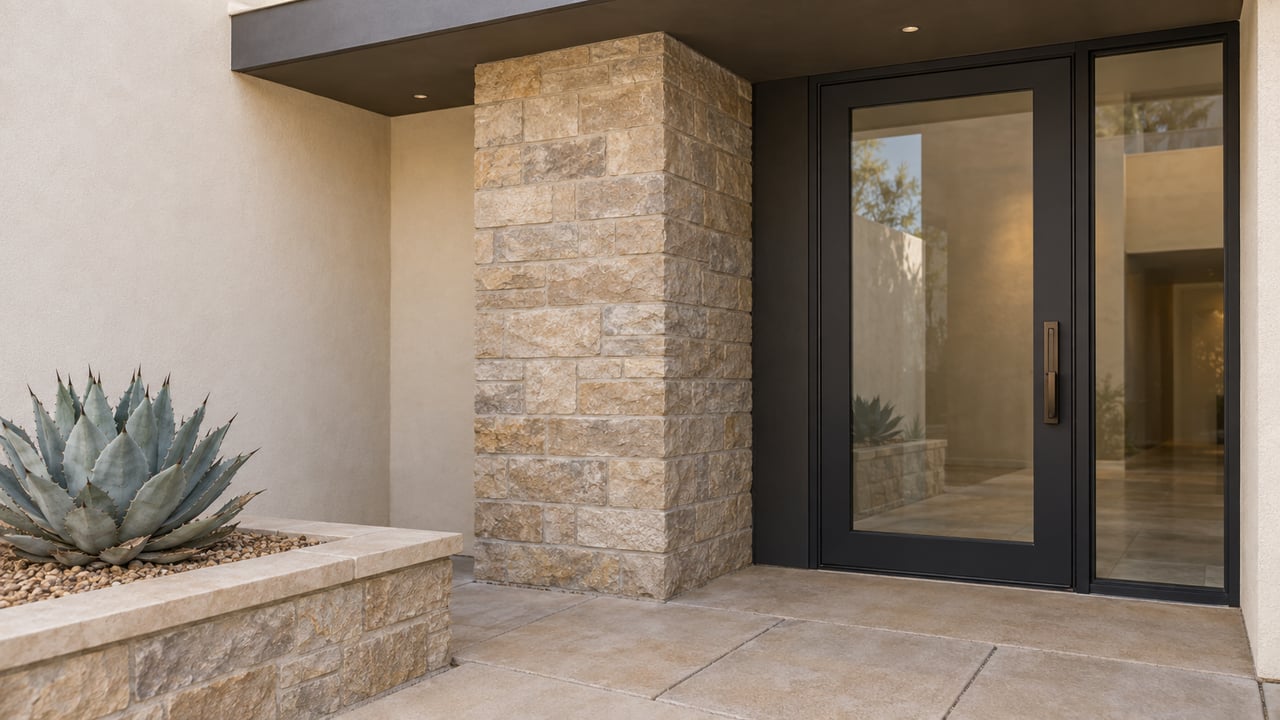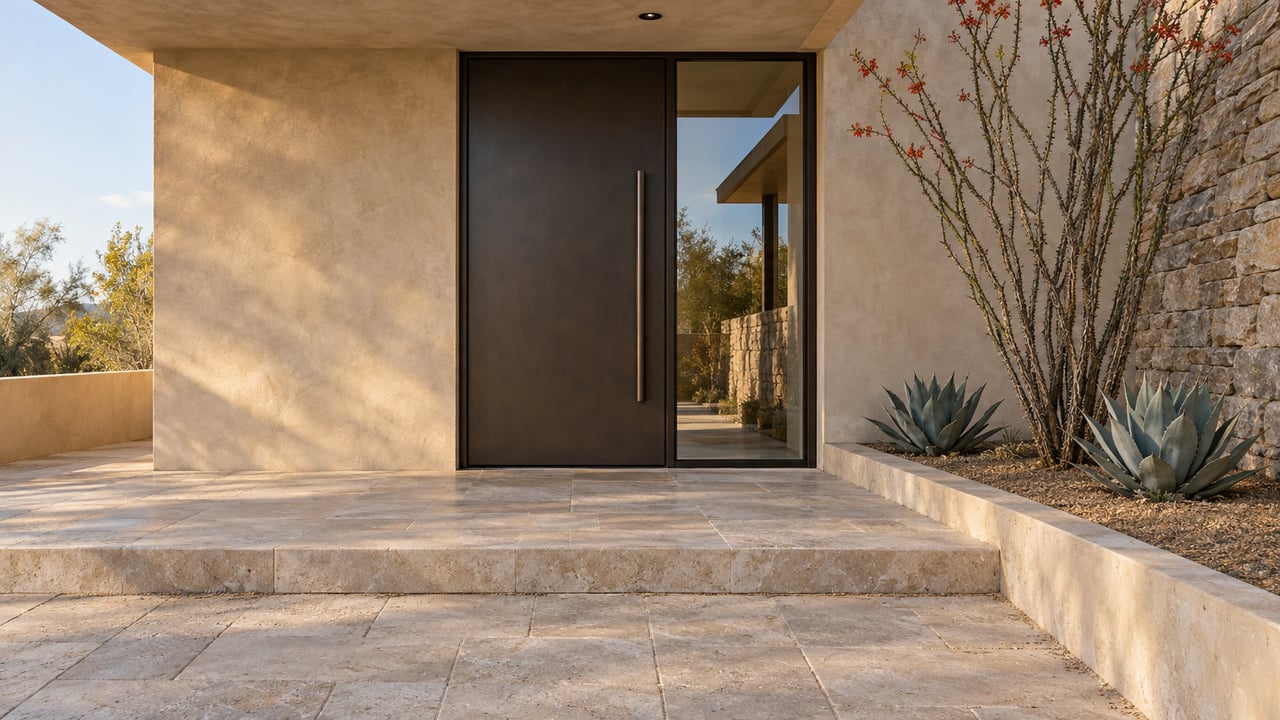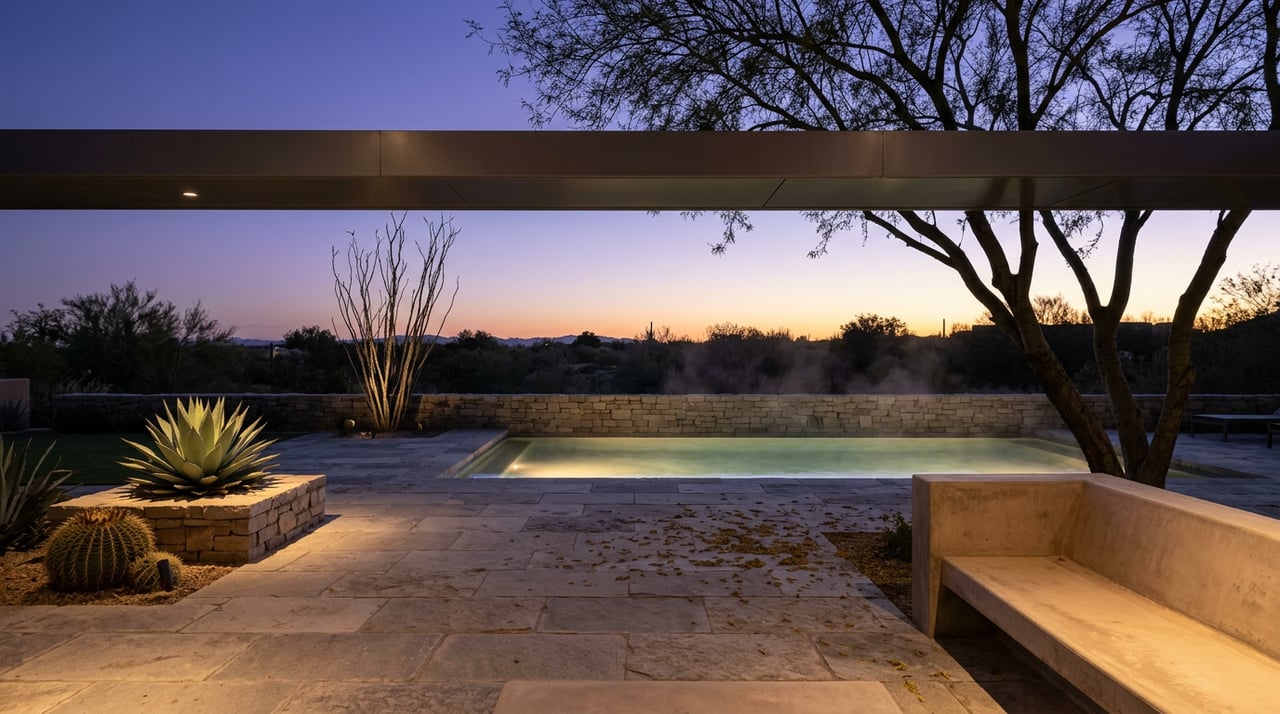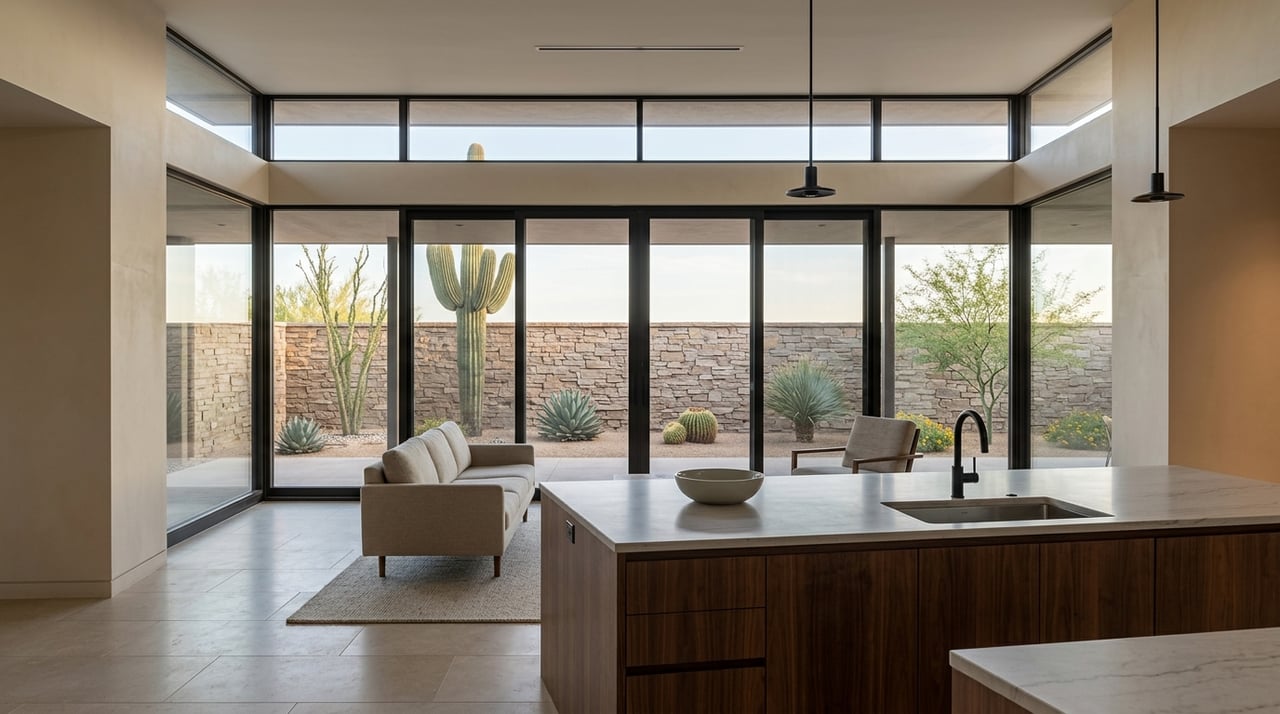
Buying a home in Catalina Foothills from another city or state can feel like a leap. You are trying to judge views, layout, condition, and site risk through a screen, often while good homes move fast. The good news is that remote buying here is very workable when you use the right process. This roadmap will help you focus on what to verify, what can be handled digitally, and where local due diligence matters most. Let’s dive in.
Why remote buying can work here
Catalina Foothills is well positioned for a remote home search. According to the U.S. Census QuickFacts for Catalina Foothills, local households show high rates of computer and broadband access, which reflects a market where digital coordination is practical. That does not confirm internet service at a specific address, but it does support a workflow built around video, documents, and online research.
The market also tends to command premium pricing. Redfin’s Catalina Foothills housing market data reported a median sale price of $673,000 in February 2026, while Zillow estimated an average home value of $733,241 and homes going pending in about 38 days. Those are different metrics, but together they point to a market where remote buyers benefit from being organized and ready to act.
Start with a tighter home search
When you are buying from afar, your first win is not seeing more homes. It is eliminating the wrong ones faster. In Catalina Foothills, that means screening not just for style and price, but also for lot conditions, access, and how the home sits on the land.
A polished listing can tell you a lot, but it cannot tell you everything. In a foothills setting, still photos can flatten slopes, soften unusual room geometry, and make outdoor circulation look simpler than it is. That is why your search should move in stages, with each step designed to answer a specific question before you invest more time.
Use photos and floor plans first
The National Association of Realtors notes that virtual tours help buyers understand layout and whether the space fits their needs. As a starting point, use listing photos, floor plans, and any virtual media to evaluate room flow, window placement, outdoor living areas, and how the home connects to patios, pool areas, and views.
This first pass should be practical. Ask yourself whether the kitchen, primary suite, guest spaces, and work areas fit how you actually live. In Catalina Foothills, also pay close attention to entries, stair sequences, grade changes, and any outdoor paths that may be more dramatic in person than they appear online.
Use live video to confirm reality
A live video showing is often where a remote search becomes more useful. NAR points out that virtual tools help buyers understand a property, but for remote buyers, live video is especially valuable for confirming scale, condition, and how spaces connect.
During a live walkthrough, focus on the details a listing may gloss over:
- Ceiling height and room proportions
- Condition of doors, windows, and finishes
- Transition points between inside and outside
- Slope at the driveway, entry, and rear yard
- Relationship between views and privacy
- Signs of drainage patterns near the house
For foothills homes, site context matters as much as interior design. A beautiful great room does not tell you how easy it is to reach the front door in a storm or how water moves around the lot.
Check records before you travel
One of the biggest advantages for remote buyers in Pima County is the ability to research homes online before booking a trip. That can save time, reduce uncertainty, and help you spot issues early.
Pima County’s Records Search provides access to permits, project records, and related inspections. The same county resources also allow buyers to review permit conditions, inspection status, and recorded documents through county offices. For a remote buyer, that means you can start verifying whether additions, remodels, or other work appear to have a documented trail.
What to verify in public records
Before you travel for a second showing or inspection, it is smart to review:
- Prior additions or remodels
- Permit history and inspection records
- Recorded easements
- Recorded restrictions
- Documents that may affect access or use
This step is especially helpful if a home has guest quarters, expanded patios, major retaining walls, or site work that appears substantial. In a market with custom homes and varied lot conditions, records can answer questions that photos cannot.
Take drainage and flood risk seriously
This is the part of the process remote buyers should never treat lightly. Catalina Foothills has beautiful terrain, but that same terrain can bring parcel-specific risk.
Pima County explains that mountainous terrain and often impervious soils can create flash flooding in dry washes during severe rain. The county also warns that all washes carry floodplain and erosion hazards, and it notes that the Bighorn Fire increased flash-flood and mudflow risk in foothills areas downstream of the burn area. For remote buyers, wash proximity, drainage paths, access roads, and erosion control features should move to the top of your diligence list.
Do not rely on a listing remark
Pima County’s Flood Hazard Map Information page is clear that county flood maps are for general information only. They may not be adequate for permitting, and they may not show all flood-prone or erosion-hazard areas. The county specifically recommends confirming floodplain status before purchase.
That means you should verify parcel-level flood status rather than assuming a thumbnail map or marketing comment tells the full story. If a federally backed loan covers a structure in a federally mapped floodplain, flood insurance is mandatory.
Know when a higher-level review makes sense
Some foothills lots need more than a standard visual check. Pima County states that alternative erosion-hazard setbacks, when justified, must be supported by analysis from an Arizona registered civil engineer. That is a useful clue for buyers: certain properties deserve technical review, especially if they are near washes, on steep sites, or show complex grading.
If a parcel raises questions about slope, runoff, retaining features, or erosion, ask whether a civil engineer should review the property. That extra step may help you understand risk before you commit.
Build a smart remote offer strategy
Once you identify the right property, speed matters, but so does structure. In a market where homes can go pending in a matter of weeks, a disciplined offer process helps you move decisively without skipping key protections.
Remote buyers often do best when they separate emotional excitement from factual verification. You can be enthusiastic about a home’s design, views, or location while still insisting on a clear inspection path and document review.
Keep contingencies purposeful
The National Association of Realtors explains that home inspections are optional but can be written as a contingency. Inspectors typically review major systems and components such as structure, roof, plumbing, electrical, HVAC, interiors, insulation, and fireplaces, with some inspections expanding to environmental concerns.
Even if a property looks immaculate online, remote buyers should be cautious about waiving inspection rights too early. NAR also notes that an "as-is" sale means the seller is not promising repairs. It does not mean you should skip learning as much as possible about the home.
Expand the inspection lens for foothills homes
In Catalina Foothills, a strong inspection plan often goes beyond standard house systems. Based on county guidance, you may also want clarity around:
- Drainage patterns around the house
- Wash proximity
- Erosion concerns
- Access routes and road conditions
- Flood insurance implications
Pima County notes on its Covenants page that access covenants can be required when private access crosses a regulatory floodplain. The county also recommends flood insurance for any structure within or immediately adjacent to a federal special flood hazard area or a locally mapped floodplain.
Use Arizona’s digital closing tools
Arizona is generally friendly to remote transactions, which is a major advantage if you are buying from out of state. Under Arizona electronic-transactions law, a record or signature cannot be denied legal effect solely because it is electronic. The law also recognizes electronic notarization, which supports a digital contract and closing workflow when the parties involved allow it.
You can review the state framework in Arizona Revised Statutes § 44-7007. In practice, much of the contract, escrow, and signing process can often be handled digitally, subject to the lender, title company, and county office requirements.
Confirm the exact workflow early
Arizona law also leaves room for agency-specific rules around electronic records and signatures. Arizona Revised Statutes § 44-7042 makes that clear, and local county offices may have their own submission paths, fees, and portal rules.
That is why it helps to confirm early how documents will be signed, notarized, and delivered. A smooth remote closing usually depends on knowing the title company’s and lender’s exact requirements before deadlines get close.
Protect yourself from wire fraud
Remote closings require a little extra caution when money is moving. The Federal Trade Commission warns against wiring money to someone you have not met, to anyone pressuring you to act immediately, or to anyone claiming wire transfer is the only payment option.
Use the FTC’s wire transfer fraud guidance as a practical rulebook. Always verify earnest money and closing instructions by calling a known phone number. If you receive an email changing wiring details, treat it as suspicious until you have independently confirmed it.
Plan one efficient in-person trip
Remote buying does not always mean buying sight unseen from start to finish. In many cases, the most effective approach is to use digital tools to narrow the field, then make one strategic trip when the decision points are clear.
For many buyers, the ideal visit includes a second showing of the top property, review of inspection findings, and the final walk-through. This approach keeps travel focused and productive instead of using multiple trips to solve questions that could have been handled online.
Use the final walk-through well
NAR describes the final walk-through as your chance to confirm the home is in the expected condition before closing. That makes it an important checkpoint for remote buyers.
During that visit, confirm:
- Agreed repairs are complete
- Fixtures and appliances are present
- Negotiated items remain with the home
- The property condition matches contract expectations
A final walk-through is not just a formality. It is your last practical chance to make sure the home you are closing on is the home you agreed to buy.
Your remote buyer roadmap
If you want a simpler way to think about the process, use this sequence:
- Narrow your search using price, layout, lot setting, and lifestyle priorities.
- Screen with photos, floor plans, and virtual media.
- Use live video to confirm scale, flow, condition, and site context.
- Review county records, permits, and recorded documents.
- Verify parcel-level flood and drainage issues.
- Structure an offer with thoughtful contingencies.
- Complete inspections with extra attention to foothills-specific risks.
- Confirm digital signing and closing steps early.
- Independently verify all wire instructions.
- Make one efficient trip for key decision points and the final walk-through.
Buying in Catalina Foothills from afar is absolutely possible, but it works best when convenience and caution stay in balance. Digital tools, Arizona’s electronic signing framework, and Pima County’s online records make remote coordination much easier than many buyers expect. At the same time, foothills properties can involve drainage, erosion, floodplain, and access issues that deserve careful local verification. If you are planning a remote move or second-home purchase, The Bonn Team can help you build a clear, disciplined plan for buying with confidence.
FAQs
How can you buy a home in Catalina Foothills without living in Arizona?
- You can use listing media, live video showings, county records, electronic signatures, and remote notarization tools to handle much of the process from afar, while still planning targeted due diligence and an efficient in-person visit.
What should remote buyers verify about flood risk in Catalina Foothills?
- You should verify parcel-level floodplain status, wash proximity, drainage paths, access conditions, and possible erosion hazards instead of relying only on listing comments or general map thumbnails.
Are electronic signatures valid for Arizona real estate transactions?
- Yes. Arizona law says a record or signature cannot be denied legal effect solely because it is electronic, though lenders, title companies, and local offices may still have specific process requirements.
What records should remote buyers review for a Catalina Foothills home?
- You should review permit history, inspection records, project records, easements, and other recorded documents that may affect the property’s improvements, access, or use.
Should you get a home inspection when buying remotely in Catalina Foothills?
- In most cases, yes. A home inspection can help you evaluate major systems and, in this market, should often be paired with extra attention to drainage, erosion, wash proximity, access, and flood insurance implications.
When should a remote buyer visit Catalina Foothills in person?
- The most efficient trip is often after you have narrowed the field and can combine a second showing, inspection-related decisions, and the final walk-through into one focused visit.