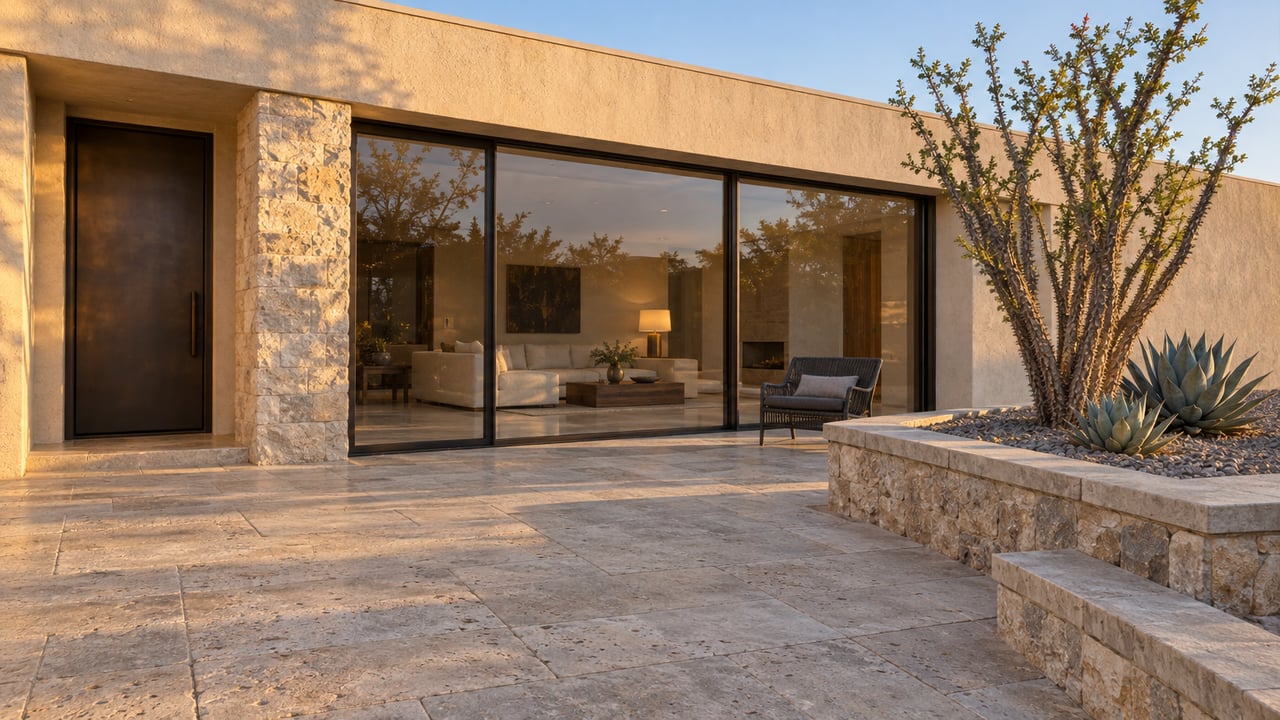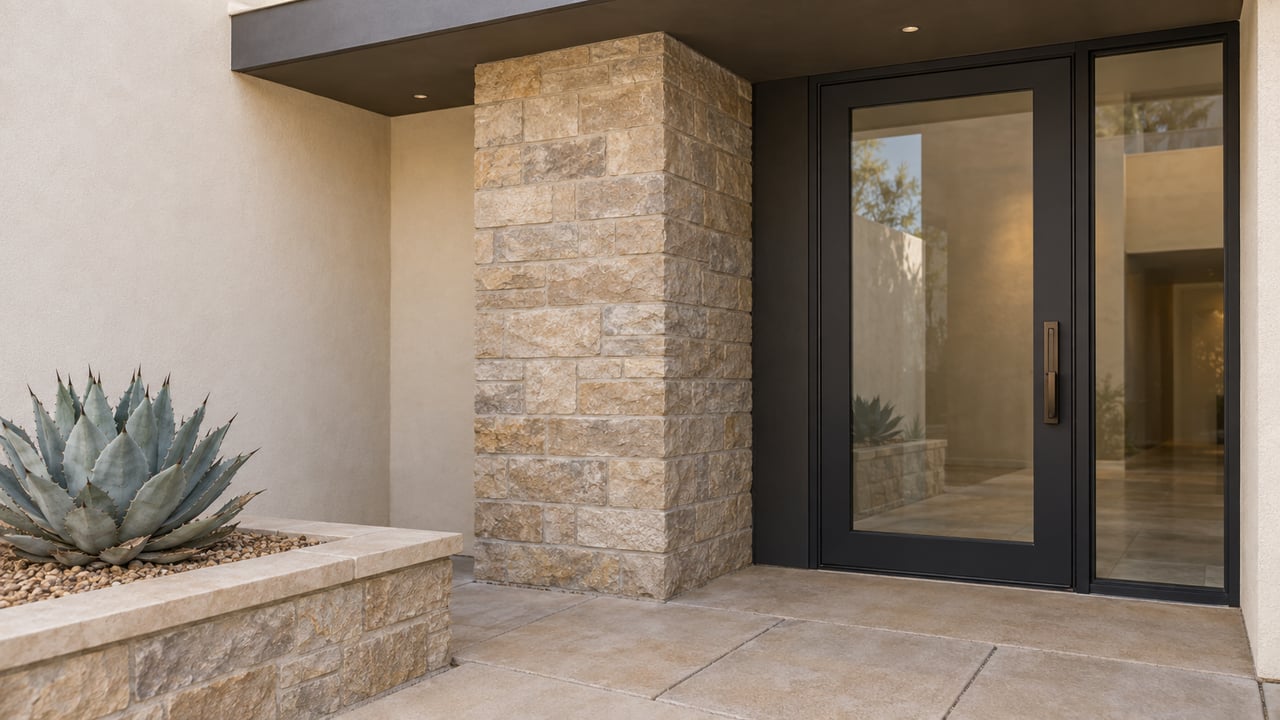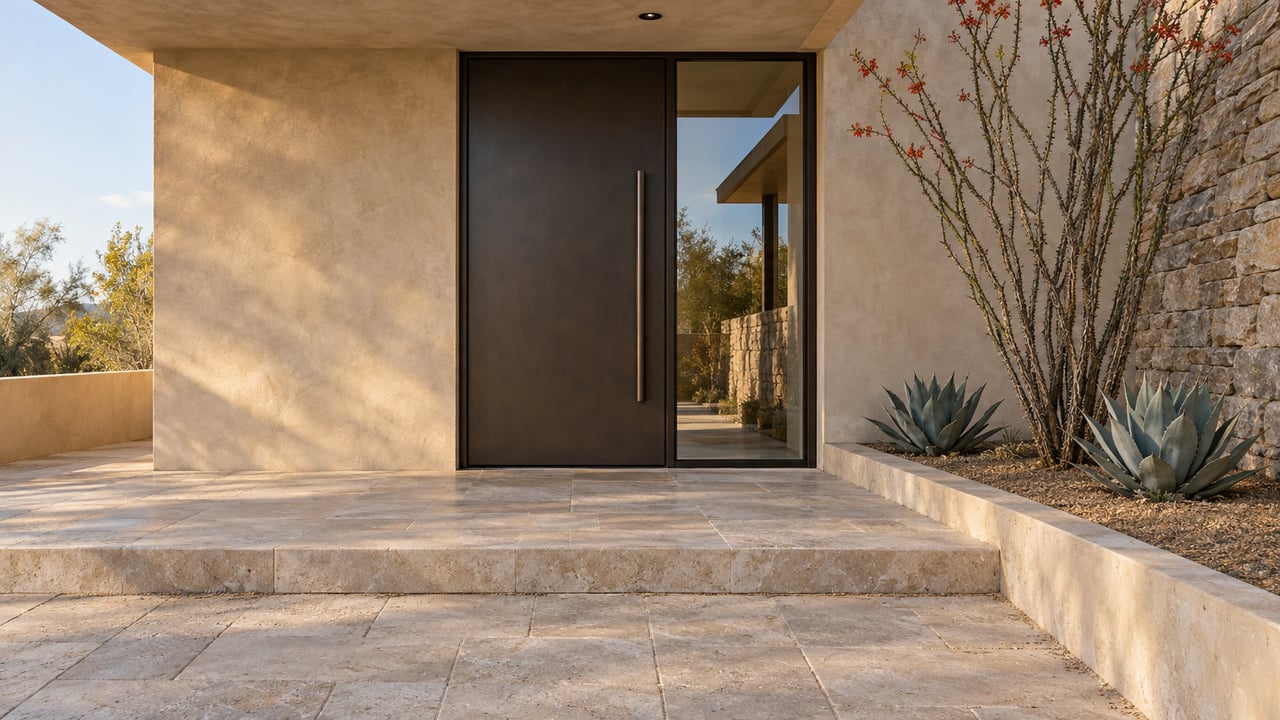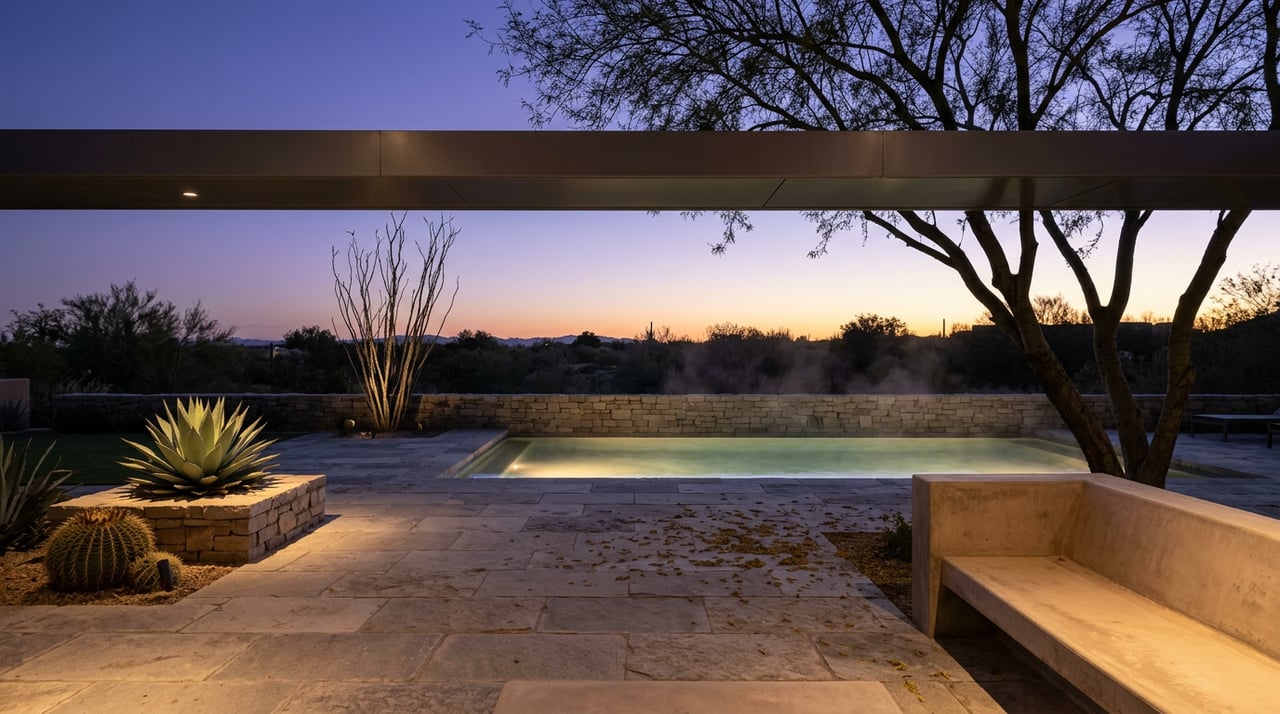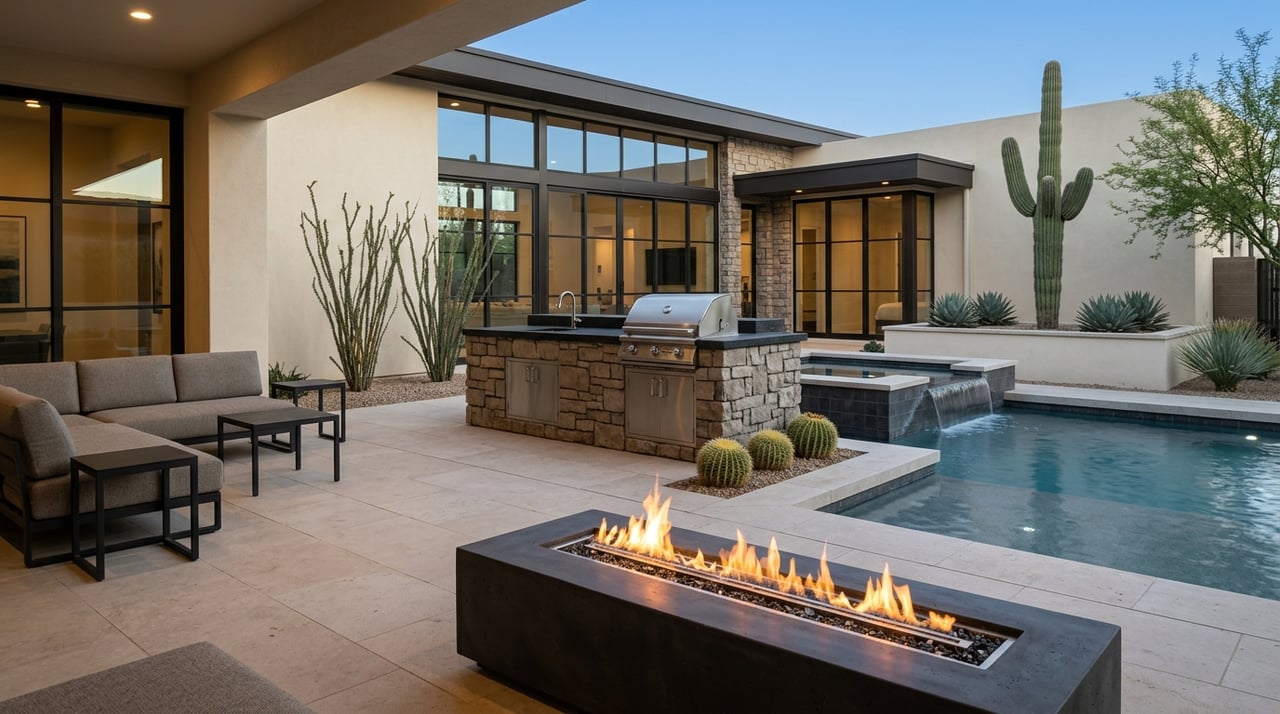
Imagine stepping outside to a shaded lounge, a cool-edge pool, and a softly lit dining terrace that feels like a five-star escape. In Oro Valley, that vision is absolutely within reach when you design for the desert’s rhythm. You want comfort, beauty, and smart choices that respect water and energy. In this guide, you’ll learn how to plan a resort-style outdoor space that works with Oro Valley’s climate, local codes, and your lifestyle. Let’s dive in.
Design for Oro Valley climate
Oro Valley enjoys mild winters and hot, very dry summers, with most rain arriving in the July to September monsoon. According to the NWS Tucson climate normals, the area averages about 10.6 inches of annual rain and roughly 68 days each year at or above 100°F. You’ll feel the difference when you plan shade, airflow, and water use from the start. Use this climate lens to guide siting, materials, and your build timeline. NWS Tucson climate normals
Site orientation that pays off
- Place lounge and dining areas to avoid late-day western sun.
- Use deep overhangs or covered patios where you want all-season comfort.
- Capture breezes with open sides or high, vented roof structures.
- Plan monsoon drainage early to move stormwater away from seating, hardscape, and pool decks.
Pools and spas for the desert
A pool is the centerpiece of many Oro Valley backyards. The key is balancing elegance with water and energy awareness.
Plan for evaporation and energy
Open water in our climate can lose several feet of water per year to evaporation, depending on exposure and season. Choose variable-speed pumps and consider solar options for heating to stretch efficiency. A well-fitted cover helps reduce heat loss and evaporation, and smart controllers keep chemistry stable through dust and wind. Learn more about conservation strategies through the Arizona Department of Water Resources. ADWR conservation technologies
Local utilities have promoted pump upgrades to cut electric use. Check for current guidance and potential rebates on efficient pool equipment through Tucson Electric Power before you buy. TEP energy-efficiency guidance
Meet safety and barrier rules
Oro Valley enforces a Pool & Spa Code that sets critical safety standards. Expect a minimum 4-foot barrier height, self-closing and self-latching gates with specified latch heights, and rules for door and window access. These requirements shape where you place fences, gates, and circulation paths. Pull a pool permit and plan review with the Town before construction to avoid delays. Oro Valley Pool & Spa Code | Apply for a pool or spa permit
Outdoor kitchens and fire features
You can create a destination-worthy cooking and gathering zone with the right layout and finishes.
Durable, UV-ready materials
Use stainless appliances, stone or concrete masonry islands, and noncombustible surrounds. Choose countertops made for sun and temperature swings, like granite, porcelain slabs, or sealed natural stone. Around pools, lighter-color, textured pavers reduce glare and stay more comfortable underfoot. Travertine and honed stone are popular choices when sealed and maintained.
Gas, electric, and permitting
Built-in grills, refrigeration, and gas fire features typically require permitted gas and electrical work completed by licensed trades. If you are adding a roofed structure, your builder may submit additional plans for ventilation and clearances. Coordinate Town permits and inspections, and verify HOA approvals before ordering appliances. Town of Oro Valley permits
Shade and microclimate controls
In a resort-style backyard, shade is a design feature as much as a comfort tool.
Structures that cool
Consider covered patios, insulated patio roofs, and louvered pergolas for flexible shade. Place shade sails or freestanding structures to block late-afternoon sun. Strategically located deciduous or filtered-shade trees on west and south exposures help cool adjacent hardscape and indoor rooms.
Misters and fans that work
Misters paired with ceiling or oscillating fans can transform afternoon lounge zones. Use them where you gather most, and plan for water use in your overall irrigation budget. Fans above dining and outdoor kitchens keep air moving when grills and surfaces warm up.
Xeriscape planting that feels luxe
A water-wise landscape can still feel lush and layered when you select the right palette and layout.
Low-water trees and structure
Blend native and desert-adapted species for structure and seasonal interest. Desert willow, palo verde, mesquite, ironwood, agaves, yuccas, penstemon, and select cacti and succulents provide texture and color while keeping irrigation needs lower. Choose tree species with root habits that play nicely near pools and paving. The University of Arizona Cooperative Extension offers helpful plant resources for the region. UA Extension desert plants
Smart irrigation and harvesting
Convert spray zones to drip wherever possible and separate trees, shrubs, and succulents into distinct valves for precise watering. Use pressure regulators and emitters sized for plant needs. Rainwater harvesting basins and permeable surfaces help keep monsoon water on site and reduce runoff.
Turf replacement rebates
If you are removing lawn to create a courtyard or pool terrace, explore Tucson Water’s turf removal rebate. Oro Valley properties can participate, but the program requires jurisdictional approval from the Town before Tucson Water issues the notice to proceed. Following the planting and irrigation standards can offset costs and reduce outdoor water demand long term. Tucson Water turf removal rebate
Permits, HOAs, and timeline
A smooth project comes from coordinating Town reviews, HOA design approvals, and contractor schedules up front.
Town approvals to expect
- Pools and spas require building permits and inspections.
- Major grading or drainage changes can trigger engineering review.
- Gas, electric, and plumbing for built-ins are typically permitted trades.
- Submit early to avoid stop-work orders and added fees. Town of Oro Valley permits
HOA design review
Many neighborhoods require prior approval for visible pergolas, built-ins, and major hardscape or landscape changes. Confirm materials, heights, and colors with your HOA board. Town permits do not replace HOA approvals.
Best seasons to build
For heavy construction and planting, fall through early spring is ideal. Cooler weather benefits crews and helps plants establish before summer. Projects that start in late fall often finish in time for the next pool season. Plan for lead times on permits and materials.
Budget and maintenance realities
Understanding costs and care helps you right-size your design from the start.
Typical project costs
Pool budgets vary widely with size, features, and site access. National and regional data show in-ground pools often range from about $25,000 to well over $120,000, with premium finishes and complex sites at the higher end. Be sure to include decking, fencing or barriers, utility runs, and landscaping in your total plan.
Care through dust and monsoon
Expect more frequent skimming and filter attention during windy periods and the monsoon season. A variable-speed pump and automation can reduce energy use and keep chemistry steadier in dusty conditions. Build a maintenance plan and budget that fits your pool size, exposure, and features.
Design checklist
Use this quick list to keep your resort-style vision on track:
- Define your primary zones: pool, spa, dining, lounge, and play.
- Orient seating and water features to limit late-day west sun.
- Choose shade: covered patios, louvered pergolas, or sails in key zones.
- Specify cool-underfoot hardscape with light colors and texture.
- Select a water-wise plant palette with layered trees and understory.
- Convert spray irrigation to drip and separate zones by plant type.
- Plan for stormwater: drains, swales, and permeable surfaces.
- Select efficient equipment: variable-speed pump and smart controllers.
- Confirm Oro Valley permits and HOA approvals before ordering materials.
- Schedule construction for fall through spring when possible.
When you are ready to bring a resort-style outdoor space to life, align the design with your home’s architecture and your long-term plans. The right choices can elevate daily living and enhance your property’s market appeal. For tailored guidance on how outdoor upgrades influence value in Oro Valley’s luxury market, connect with The Bonn Team for a confidential consultation.
FAQs
Do I need a permit for a built-in grill or gas fire feature in Oro Valley?
- Permanent installations that involve gas, electrical, or plumbing typically require permits and inspections from the Town. Confirm requirements and submit through the Town’s permit portal. Town of Oro Valley permits
What pool safety barriers does Oro Valley require?
- Residential pools must meet prescriptive barrier rules, including a minimum 4-foot fence, self-closing and self-latching gates with defined latch heights, and protections for doors and windows that access the pool area. Oro Valley Pool & Spa Code
Am I eligible for Tucson Water’s turf removal rebate if I live in Oro Valley?
- Yes. Properties in Oro Valley can apply, but the process requires Town review and approval before Tucson Water issues the notice to proceed. Follow the program’s planting and irrigation standards for eligibility. Tucson Water turf removal rebate
How much pool water might I lose to evaporation in the desert?
- In hot, sunny conditions, open pools can lose several feet of water per year to evaporation depending on exposure and season. Covers, wind protection, and efficient equipment help reduce losses. ADWR conservation technologies
What shade trees work well near patios in southern Arizona?
- Desert willow and palo verde provide filtered shade and seasonal interest, while properly sited mesquite offers useful canopy. Verify mature size and root habits relative to pools and paving. UA Extension desert plants