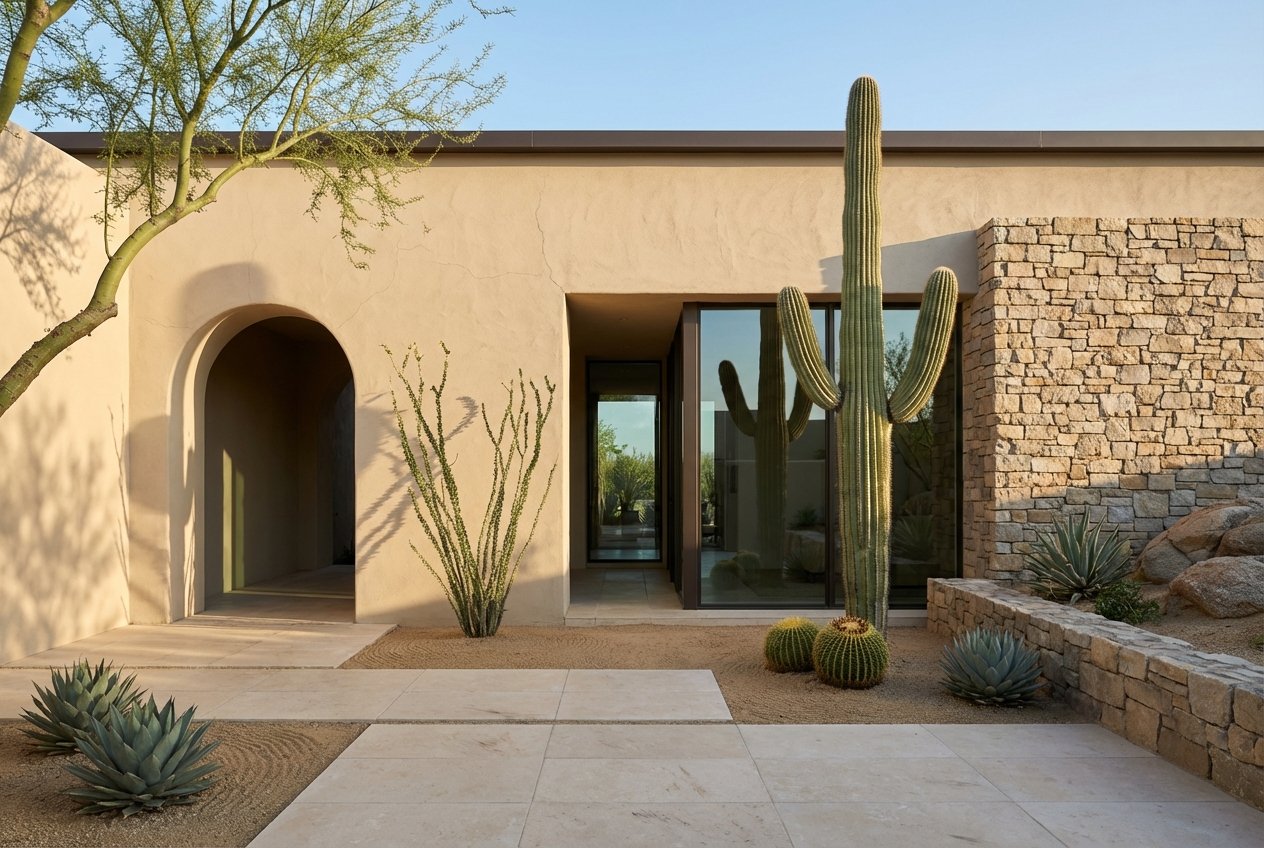
In the Catalina Foothills, architecture is more than a look. It is how you live with light, views, and the Sonoran Desert itself. If you love homes with character and indoor‑outdoor flow, you will find everything from classic haciendas to crisp desert modern estates here. In this guide, you will learn the signature styles that define Foothills luxury, how design choices affect comfort and value, and what to watch for when you tour. Let’s dive in.
Why Catalina Foothills looks this way
The Foothills grew around a clear design vision in the 1920s through 1950s when developer John and Helen Murphey worked with architect Josias T. Joesler. Their collaboration set the tone for high‑end homes with thick masonry walls, stucco, courtyards, and tile roofs that read as luxurious yet regional. You can trace that lineage today in many estate properties and neighborhood expectations for quality and style. For background, see the Catalina Foothills Association’s concise history of the area’s architectural roots and development patterns here.
Later decades added another thread: modern architecture shaped by climate and views. Tucson’s acclaimed Ramada House by Judith Chafee shows how shade structures, careful orientation, and large openings can deliver comfort and drama in the desert. It remains a touchstone for Foothills design that honors both mountains and sun as documented here.
The takeaway for you as a buyer: the Foothills mix historic Joesler‑style haciendas with custom contemporary and modern estates on large lots planned around views. Expect variety and strong emphasis on privacy, outdoor rooms, and the relationship between home and terrain.
Signature luxury styles to know
Desert hacienda / Spanish Colonial Revival
If you picture white or buff stucco, low‑pitched red clay tile roofs, arched arcades, and heavy wooden doors, you are seeing the classic Foothills vocabulary. Interior and exterior courtyards create shaded rooms that face mountain views while limiting harsh sun. Thick walls add thermal mass to even out daily temperature swings. This look became a regional luxury standard and still signals timelessness and craftsmanship in listings. For historical context on these elements in the Foothills, review the Catalina Foothills Association’s overview here.
Pueblo / Territorial / Burnt‑adobe references
These homes emphasize earthen massing and rounded corners with stucco or adobe walls. You may see peeled vigas, kiva fireplaces, and thick parapets. The aesthetic overlaps with Spanish revival but reads more grounded and sculptural. Older estates and thoughtful renovations carry this thread forward in a way that feels native to place.
Soft contemporary
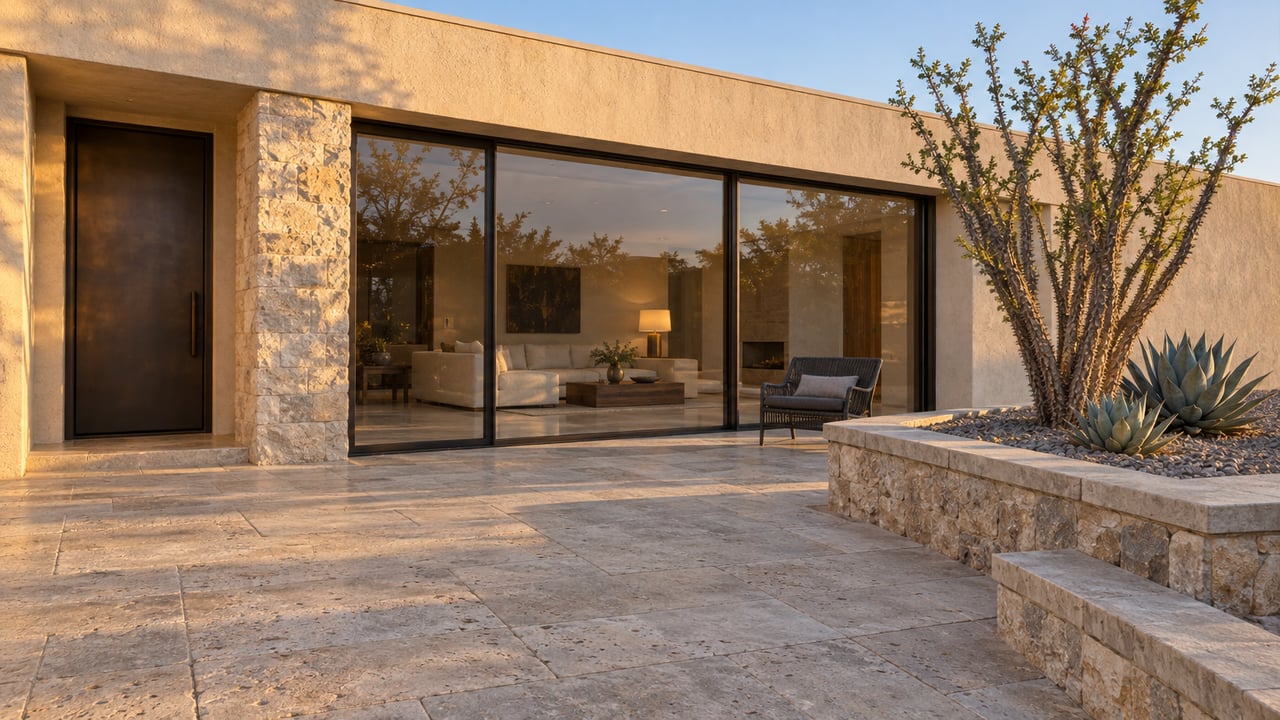
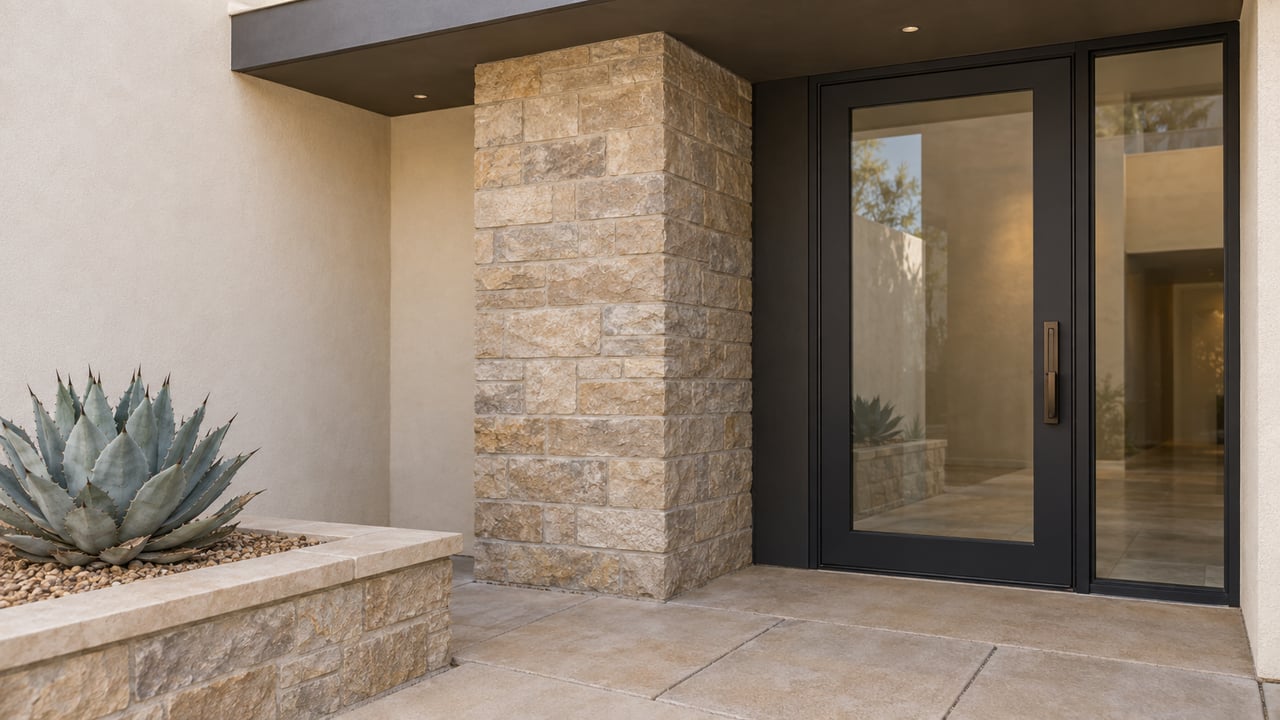
Soft contemporary homes bridge traditional and modern. Expect cleaner lines, larger windows, open plans, and warm materials like stone, wood, and smooth stucco. Roofs may stay low or lightly pitched to keep a Foothills silhouette. Covered patios, deep overhangs, and shaded terraces are common so you can enjoy glassy views without the heat gain.
Desert modern / Mid‑century and critical regionalism
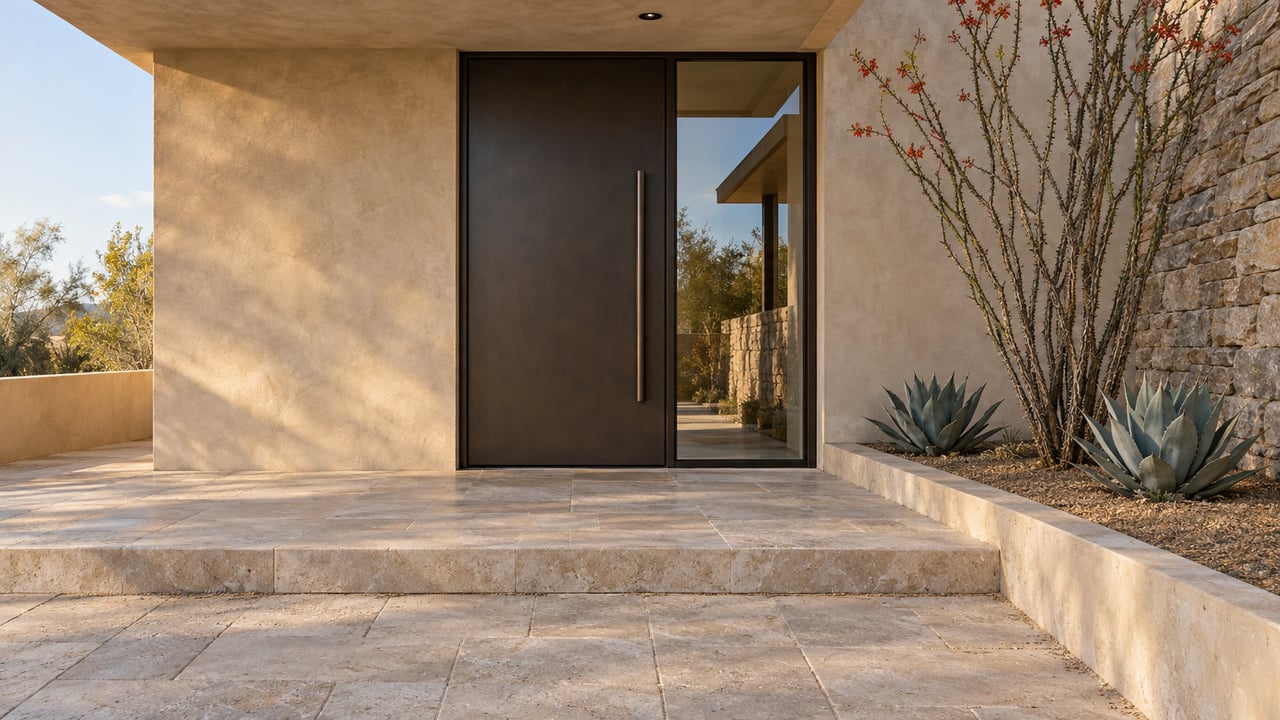
Desert modern homes lean into flat or low‑profile volumes, long horizontals, and expansive glass oriented to views. Shade devices are integral, from deep eaves to trellises and ramadas. Many designs step with the slope, using terraces and cantilevers to connect living spaces to the ridgelines beyond. For a clear example of climate‑responsive desert modernism, see the Ramada House profile here.
Hillside and canyon modern
In gated enclaves and canyon settings, you will see multi‑level plans set into engineered pads with retaining and terraced yards. Glazing often runs along the uphill or downhill face to capture views while keeping a low profile against the ridge. The best versions look effortless and quiet in the landscape while delivering dramatic outlooks and indoor‑outdoor living.
Design moves that shape comfort and views
Orientation and glazing
Successful desert homes favor controlled north light for big windows and use south exposures for winter sun when paired with the right overhangs. Unshaded east and especially west glazing can add heat and glare. If you tour a home with a wall of west‑facing glass, ask for window specifications and shading details. You can read more on passive solar principles from the U.S. Department of Energy here.
Shade devices that work
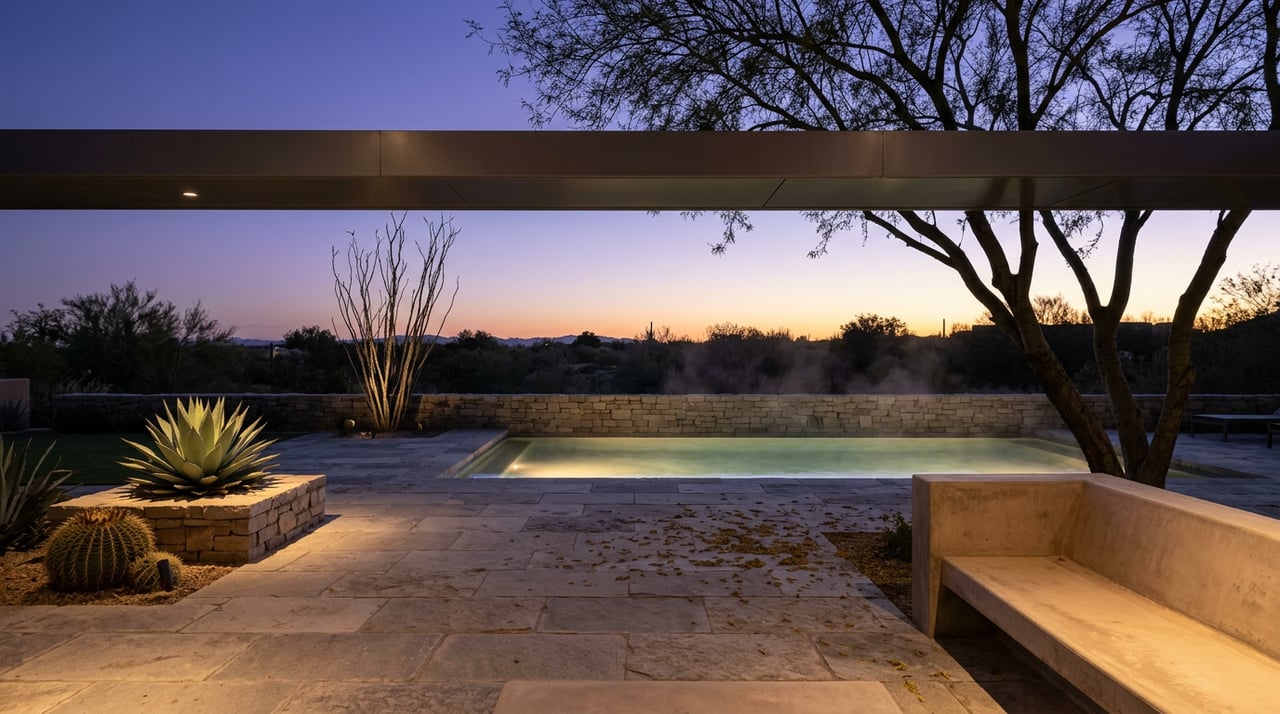
Ramadas, portals, deep eaves, and trellises are both cultural and functional. They filter light, reduce solar gain, and create comfortable outdoor rooms. The Ramada House is a well‑known local example that shows how a freestanding shade frame can make large openings livable in summer covered here.
Working with slope and access
Hillside lots commonly use stepped foundations, benched pads, and terraced retaining walls to minimize cuts. Pima County’s Hillside Development Overlay sets rules for slopes, grading, color, and visual impact. If a property sits on steeper terrain, ask for records of permits, drainage plans, and restoration measures. You can review the Hillside Development Overlay standards here.
Indoor‑outdoor flow and outdoor rooms
The highest‑value homes blur boundaries between living rooms, shaded patios, and pools aligned to views. Buyers consistently prioritize seamless terraces, covered outdoor kitchens, and protected courtyards. For more on how view orientation shapes luxury living in Tucson, explore this overview from our team here.
Style, maintenance, and resale: what to weigh
Exterior materials: stucco
Stucco is durable in our climate, but it still needs periodic attention. Plan for small crack repairs and repainting or recoating roughly every 7 to 10 years, depending on exposure. Check for water intrusion where irrigation hits walls. A local guide to stucco lifespan and care is available here.
Roofs: clay and concrete tile
Tile can last many decades, but the underlayment beneath often needs replacement far sooner. On older Foothills estates, ask for documentation of underlayment work and roof inspections. A practical lifespan overview for roof systems is summarized by This Old House here.
Glass and comfort
Floor‑to‑ceiling windows are stunning, yet they add cleaning and energy considerations. If a home has large panes, especially facing west, request glazing specs. Look for low‑E coatings and appropriate solar‑heat‑gain coefficients. The Department of Energy’s passive solar guidance outlines why orientation and shading matter here.
Pools and water features
Pools are common luxury features and a joy in warm months. Budget annually for chemicals, cleaning, and equipment service. National guides place routine pool maintenance in the low thousands per year, with resurfacing or major repairs as periodic higher costs. A quick cost primer is available here.
Desert landscaping and irrigation
Xeriscape and drip irrigation are the local norm and help reduce water use and maintenance. Ask about plant palettes, controller age, and any high‑water features. The University of Arizona provides water‑wise resources and conservation guidance here.
Regulatory checks for hillside sites
If your dream home sits on a slope, confirm whether the property falls under the Hillside Development Overlay and what that means for grading, drainage, colors, and restoration. Request any past permits and as‑built plans during due diligence. Review the county code summary for the overlay here.
Resale signals buyers value
Homes with clear protected views, strong indoor‑outdoor flow, updated mechanicals, and documented hillside work carry broad appeal. Single‑level living also attracts many buyers. In the Foothills, the right blend of style, orientation, and shade often matters more than square footage alone. For a closer look at view priorities in Tucson luxury, our perspective is outlined here.
Buyer vocabulary and quick red flags
Glossary you will hear
- Ramada: A freestanding or attached shade structure in timber or steel. Practical tip: ask about structural condition and treatments. See a celebrated local example here.
- Portal or Loggia: A covered outdoor walkway or patio that shades doors and windows. Practical tip: check roof connections and drainage at columns.
- Viga, Kiva fireplace, Saltillo tile: Traditional finish elements that add character. Practical tip: plan for specialized repair if needed and check for moisture at kiva bases.
- Soft contemporary: Realtor shorthand for updated, warm‑modern interiors with natural materials. Practical tip: well‑executed versions appeal to a wide audience.
- Desert modern: Climate‑responsive design with shade devices, careful orientation, and indoor‑outdoor thresholds. Practical tip: ask how the envelope manages summer heat and glare.
Red flags to raise during tours
- Large exposed cuts or fills on hillside sites with no clear grading permits or as‑built plans.
- Extensive west‑facing glazing without shading devices or documented high‑performance glass.
- Tile roofs that look fine but have no underlayment replacement records.
- Irrigation overspray on stucco, or planters hard against foundations.
A smart path to the right Foothills home
When you understand why a home looks the way it does, you can judge comfort, maintenance, and long‑term value with confidence. In the Catalina Foothills, the best properties pair authentic materials with thoughtful orientation, deep shade, and outdoor rooms that turn views into daily living. If you want help weighing style, engineering, and resale potential, we will walk you through that step by step.
Ready to see what fits your taste and lifestyle. Connect with The Bonn Team for a confidential consultation and a curated tour of homes that get the architecture right.
FAQs
What defines Catalina Foothills luxury architecture?
- A blend of Joesler‑influenced hacienda elements and site‑specific modern design, with courtyards, shaded outdoor rooms, and strong view orientation.
How do shade structures improve comfort in desert homes?
- Ramadas, deep eaves, and trellises filter sun, reduce heat gain at glass, and create livable outdoor rooms without sacrificing views.
What should I look for in tile roofs on older Foothills homes?
- Confirm the age and condition of the underlayment, not just the tiles, and request inspection or replacement records.
Why is west‑facing glass a concern in Tucson’s climate?
- Unshaded west glass can produce heat and glare; look for deep overhangs or documented high‑performance glazing to manage solar gain.
How does the Pima County Hillside Development Overlay affect renovations?
- Projects on steeper slopes often require permits, grading and drainage plans, and visual‑impact controls; request prior approvals and as‑builts early.