Are you eyeing a Tucson view lot and wondering what those sinuous desert channels mean for your build? You are not alone. Washes and open-space setbacks shape where you can place your home, how you design your outdoor living, and what to expect during monsoon season. In this guide, you will learn the essentials of washes, setbacks, and due diligence so you can buy with confidence and protect your long-term enjoyment. Let’s dive in.
What is a wash?
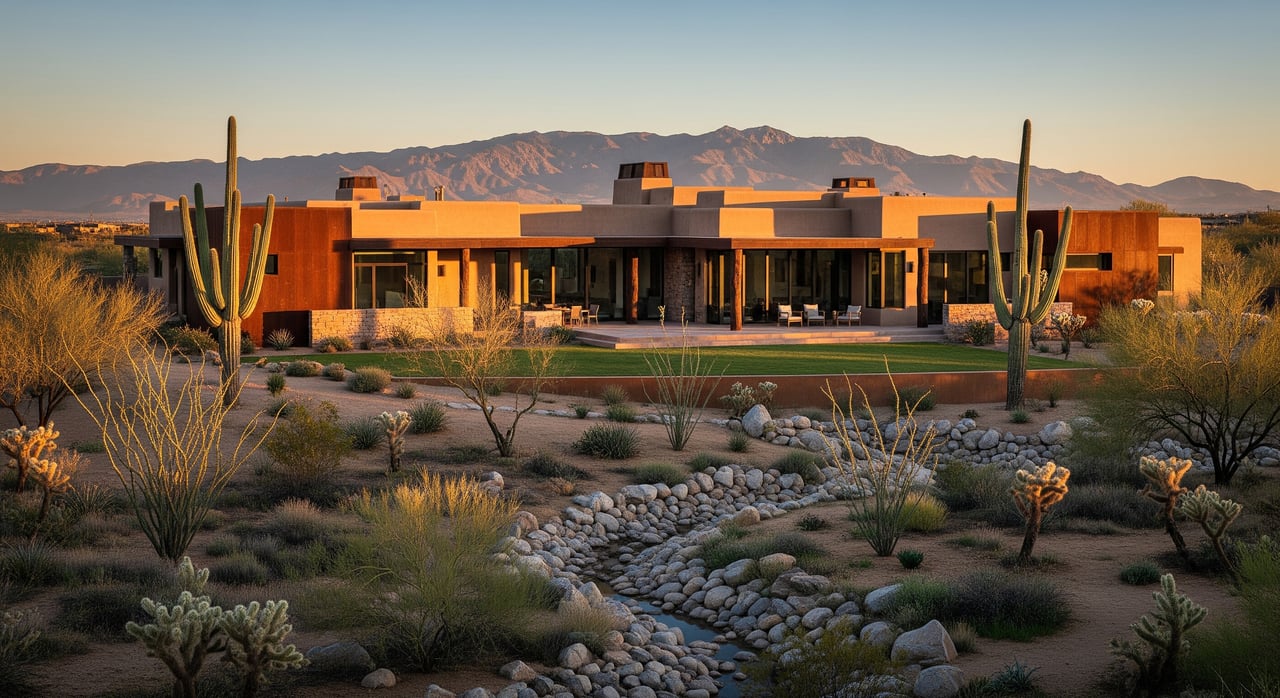
A wash, sometimes called an arroyo, is an ephemeral desert channel that carries storm runoff during rain events. Many Tucson-area washes are dry most of the year, then move significant water in short bursts during high-intensity storms. Washes also function as ecological corridors, with distinct riparian vegetation and wildlife activity that add to the desert experience.
Primary safety note: Never drive or walk through a wash during storms. Flash flooding can happen fast and with little warning.
Why washes affect your lot
- Buildable area: Setbacks and drainage easements reduce where you can place a house, pool, driveway, or guest house.
- Risk and insurance: Washes can increase flood and erosion risk, which influences flood insurance and lender requirements.
- Permitting: Work near a wash often needs extra permits, studies, or approvals.
- Privacy and views: Wash corridors can create natural buffers with open views, but design must respect setback lines.
- Long-term enjoyment: Trails, habitat, seasonal flows, and rules for open space will shape how you use and maintain your property.
Check rules and maps first
Regulations vary by location. Start by confirming whether the lot is inside City of Tucson limits or in unincorporated Pima County. From there, focus on authoritative sources:
- FEMA Flood Map Service Center for official flood maps and zones.
- Pima County Regional Flood Control District for local floodplain and wash rules in unincorporated areas, plus permitting guidance.
- City of Tucson Planning and Development Services for properties within city limits.
- Pima County Recorder and Assessor for recorded plats, easements, and lot maps.
- Title commitment from your title company for recorded restrictions that affect building rights.
- HOA documents and CC&Rs for added community rules on washes, open space, and maintenance.
Local standards and maps change over time. Always verify current requirements with the floodplain administrator for the jurisdiction that applies to your lot.
Read plats and disclosures like a pro
Recorded plats and seller disclosures tell you a lot about a lot. Focus on what is labeled and where.
- Plat and subdivision map: Look for “wash,” “drainage easement,” “non-encroachment area,” “wash setback,” “natural open space,” and “building envelope.” Note the scale and dimensions.
- Title commitment: Review recorded easements and restrictions. Easements can prohibit structures even if a plat is silent.
- CC&Rs and HOA rules: Check rules for fences, pools, landscaping, and maintenance responsibilities near washes or open space.
- Seller disclosures: Sellers typically must disclose known hazards, including flooding. Completeness can vary, so confirm with public records and professionals.
Site planning impacts
Buildable area and design
Setbacks and easements define the effective building envelope. If a recorded envelope exists, it shows where foundations can be placed. If not, the combination of setbacks and easements controls where you can put the home, garage, casita, pool, and patios.
Soils near washes can vary due to alluvial deposits. A geotechnical report helps your architect and builder determine foundation type and any required stabilization.
Permits and extra costs
Building adjacent to a wash may require a hydrology or drainage study to show that improvements will not increase downstream risk or cause erosion. In mapped floodplains, you may need a floodplain permit or a specific development review. Budget for possible mitigation such as retaining walls, elevated floor slabs, engineered drainage features, erosion protection, and flood-tolerant landscaping.
Utilities and access
Drainage corridors sometimes double as utility corridors. Confirm utility easements to avoid conflicts with structures or hardscape. If your driveway or access road crosses a drainage, you may need additional permits and engineered solutions for safe access.
Privacy and lifestyle
A preserved wash can be a premium feature. You get natural buffers between lots, wildlife sightings, and unobstructed sightlines to the mountains or city lights. The tradeoff is that you must respect vegetation and setback rules, and you may face restrictions on fences or walls near the wash. Seasonal flows can also make adjacent trails muddy or temporarily inaccessible.
Insurance and resale
If any portion of the lot is in a FEMA Special Flood Hazard Area, a federally regulated lender will typically require flood insurance. Even outside mapped zones, lenders can require insurance if they perceive higher risk. Easements and reduced buildable area can affect appraisals and the buyer pool. That said, lots with permanent undisturbed wash buffers often command attention for views and privacy.
Due diligence checklist
Gather these items during your inspection period or before removing contingencies:
- Recorded plat or subdivision map with any labeled wash, drainage easement, building envelope, or open-space dedication.
- Preliminary title report listing all recorded easements and restrictions.
- Seller disclosure forms and any local addenda.
- CC&Rs, bylaws, and architectural guidelines if in an HOA.
- FEMA flood map printout or panel reference, including any shown Base Flood Elevation.
- Confirmation of jurisdiction: City of Tucson or unincorporated Pima County.
- Written guidance from the local floodplain administrator on setbacks, permits, and any known issues or projects.
- ALTA/NSPS or boundary survey to confirm fence and structure locations relative to easements and setbacks.
- Hydrology or drainage memo from a licensed civil engineer if planning significant improvements.
- Geotechnical (soils) report for foundation and retaining wall design.
- Statement of maintenance responsibility for the wash or adjacent open space.
- Check for prior flood damage claims or reported incidents on the property.
Smart design and risk mitigation
Respect the desert, design wisely, and your lot can live beautifully for decades.
- Keep the home, pool equipment, and major hardscape outside recorded setbacks or easements.
- Elevate finished floors as required to meet local flood elevation standards, without redirecting flows to neighbors.
- Use native, deep-rooted plants in buffer zones for bank stability and habitat.
- Favor permeable paving, swales, and bioswales near the wash to slow and infiltrate runoff.
- Minimize hard walls within the buffer; use engineered retaining systems when needed and permitted.
- Clarify maintenance in writing, including what is allowed for vegetation management and debris removal.
- Plan for emergency access during storm events.
- Assume future conditions may shift with changing storm patterns and urbanization, and design with adaptability in mind.
Buyer tradeoffs to weigh
- A preserved wash often enhances privacy, views, and market appeal, but it can limit buildable area and add compliance costs.
- Out-of-state buyers should schedule extra time for surveys, engineering, and permit reviews.
- Depending on local market patterns, wash adjacency can either expand appeal for view-focused buyers or narrow the buyer pool due to constraints.
How The Bonn Team helps
You deserve a guide who respects both design vision and technical constraints. The Bonn Team blends concierge-level service with engineering-grade diligence to help you evaluate custom and view lots across the Catalina Foothills, Oro Valley, and Marana. We assist you in reading plats, identifying easements, coordinating surveys and professional reports, and sequencing due diligence so you do not miss critical steps.
When you find the right lot, we help you frame value against buildable area, risk profile, and long-term enjoyment. Our negotiation approach reflects the realities of washes and setbacks, so you close confident in your plan to build and live well in the desert.
Ready to evaluate a Tucson view lot with clarity and confidence? Reach out to The Bonn Team to start your search and due diligence the right way. Request a Confidential Market Consultation.
FAQs
What is a Tucson desert wash?
- A wash is an ephemeral channel that is usually dry but carries storm runoff during intense rain, and often supports riparian plants and wildlife.
How do wash setbacks limit building on my lot?
- Wash setbacks or non-encroachment easements prohibit structures and certain grading within a buffer, which shapes where you can place the home, pool, and hardscape.
Do I need flood insurance near a wash in Pima County?
- If any part of the lot is in a FEMA Special Flood Hazard Area, lenders typically require flood insurance; outside mapped zones, lenders may still require it based on perceived risk.
How can I find wash easements on a property?
- Review the recorded plat and preliminary title report for easement language, and confirm with the local floodplain administrator for the current rules and interpretations.
Who maintains the wash or open space behind my home?
- Maintenance may fall to the homeowner, an HOA, or a public agency; recorded documents and HOA rules define responsibilities and permitted activities.
Are City of Tucson and Pima County rules the same?
- No, regulations vary by jurisdiction, so always confirm whether your lot is in city limits or unincorporated county and check that jurisdiction’s current standards.
What professionals should I hire before building near a wash?
- Engage a civil engineer or hydrologist for drainage, a licensed surveyor for boundaries and easements, and a geotechnical engineer for soils and foundation guidance.