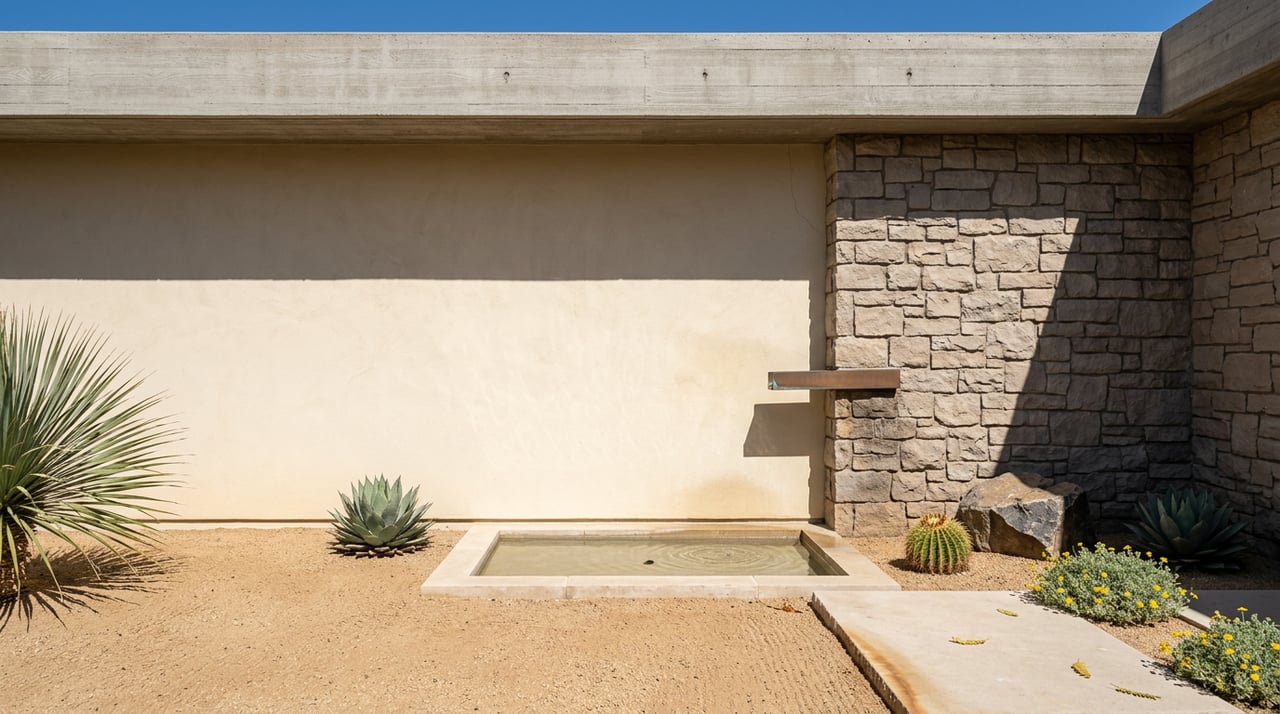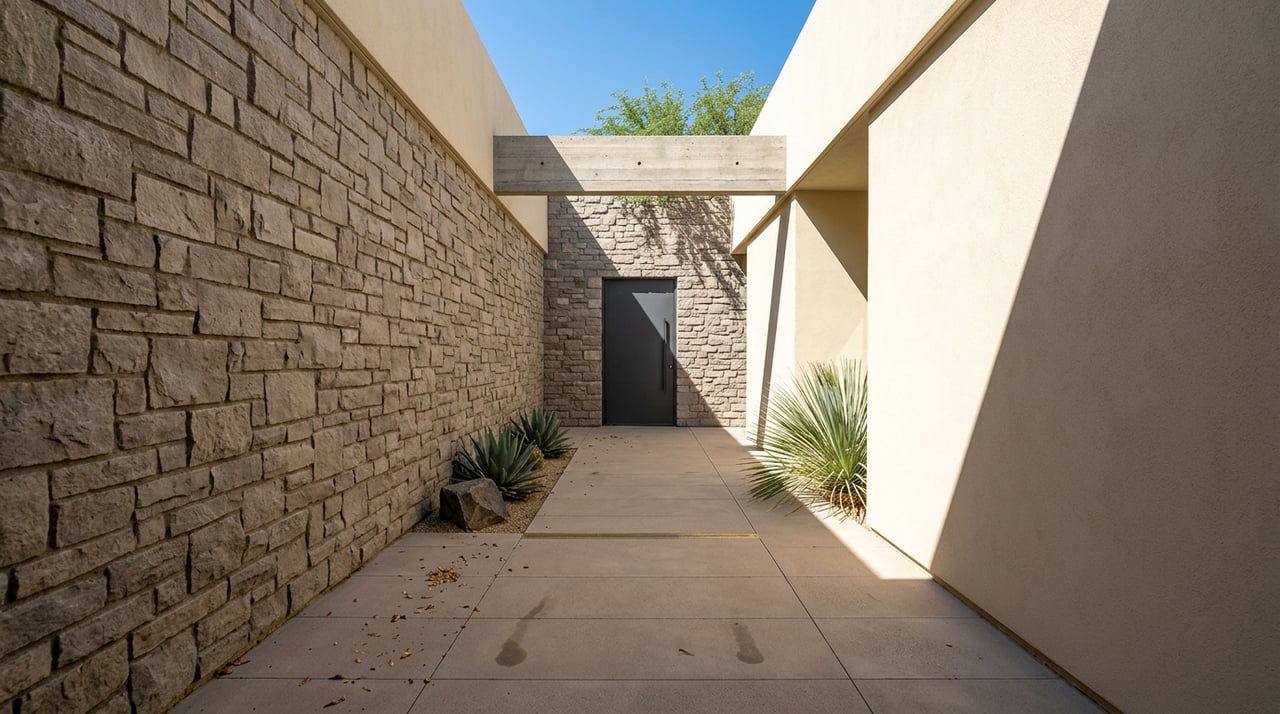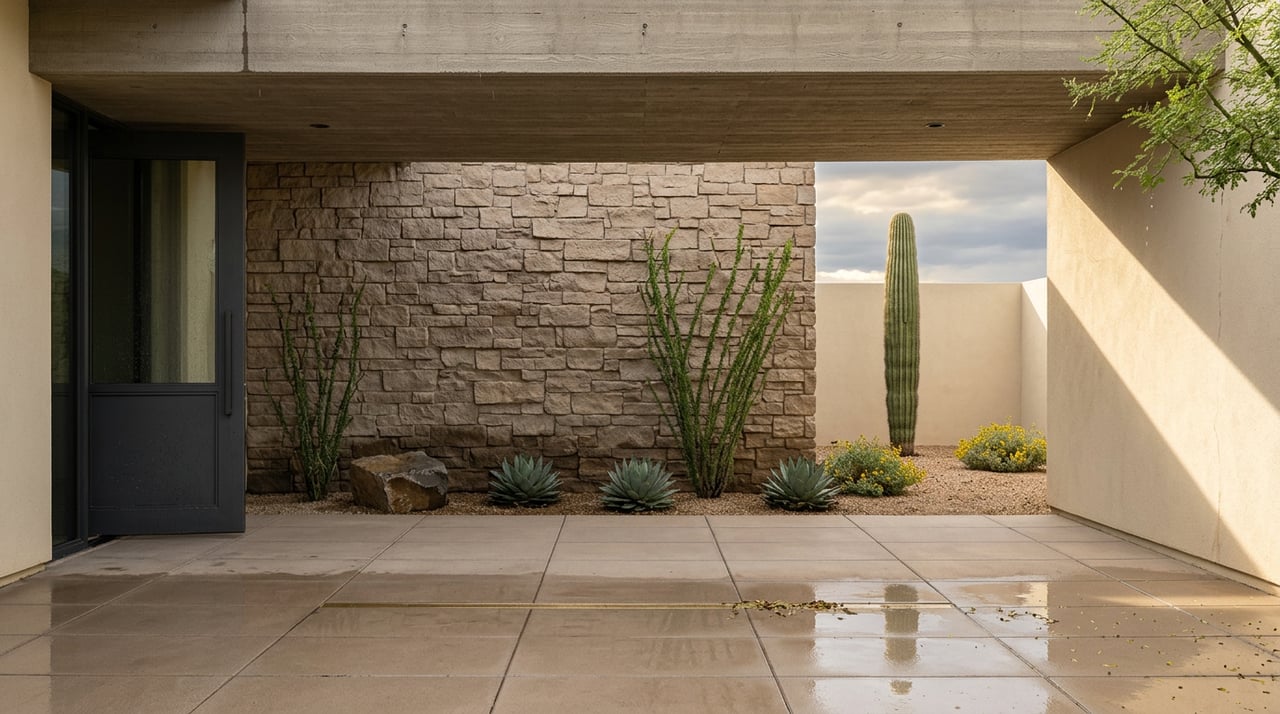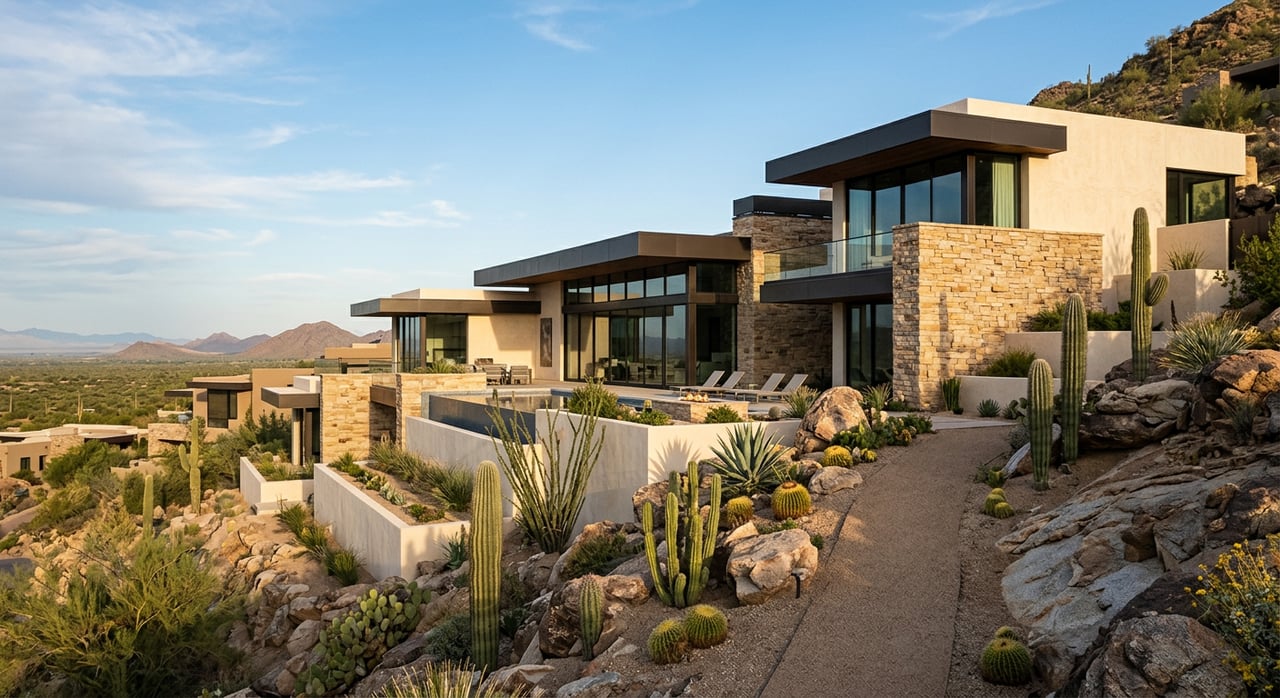
You picked Dove Mountain for its views and desert setting, but choosing the right custom homesite can make or break your build. You want the vista, the privacy, and a smooth construction process without surprise costs. In this guide, you’ll learn how to evaluate orientation, slope, drainage, utilities, and design rules that shape what you can build and what it will cost. Let’s dive in.
Confirm jurisdiction and rules first
Before you fall in love with a lot, confirm where it sits on the map. Zip code 85658 spans parts of both Pima and Pinal counties, and many Dove Mountain addresses lie within the Town of Marana. Do not assume every 85658 parcel follows the same rules. Verify the parcel’s county and whether it lies inside Town limits because permits, taxes, utility providers, and school assignments can differ. You can review the ZIP’s coverage at the 85658 profile and then confirm parcel specifics through public records and the Town of Marana. This overview of 85658’s geography is a helpful start.
Orientation, views, and solar strategy
Dove Mountain’s custom tracts are prized for their long views over the valley and the Tortolitas. As you weigh lots, balance view orientation with energy and comfort. In a hot desert climate, it is common to run the long axis of a home east–west, reduce large west-facing glass to limit afternoon heat, and size overhangs to block high summer sun while letting in low winter sun. For rooftop solar, south-facing roof slopes often perform best year-round. A site-specific solar study is smart before you commit to a layout. You can preview the focus on views in Dove Mountain’s custom homesite overview and learn more about passive-solar basics from the WBDG guide.
Topography, rock, soils, and geotechnical risk
Slope and rock drive cost. Steeper, ridgeline, or boulder-studded parcels can require significant grading, retaining walls, and sometimes blasting. Many custom tracts, including Canyon Pass, identify building envelopes and natural areas to protect rock outcrops. Your first technical steps should include a boundary and topographic survey and a geotechnical investigation. Ask the geotechnical engineer about recommended foundations, expected cut and fill, whether vibration or blasting may be needed, and how rock will be handled. Tract design rules often call for preserving natural features and can affect where and how you build. The Canyon Pass Architectural & Landscaping Design Guidelines outline these priorities and the review path for custom residences. Review the Canyon Pass Design Guidelines to understand typical constraints.
Drainage, washes, flood risk, and stormwater
Many foothill parcels sit near natural washes or ephemeral flow paths. These features can reduce your usable area and require added engineering. Start by pulling the FEMA map for the address and downloading a FIRMette to see flood designations, then ask a civil engineer to assess local drainage patterns on site. The Town of Marana sets drainage standards and requires a Stormwater Pollution Prevention Plan before most grading permits. If your lot is near mapped regulatory flow, expect additional hydraulic analysis and possibly detention, conveyance, or culvert design. Use the FEMA Flood Map Service Center and review Marana’s current Drainage Manual and stormwater construction guidance with your engineer.
Protected plants and natural areas
Dove Mountain was planned to preserve Sonoran Desert habitat. Tract rules often include lists of protected and prohibited plants, as well as standards for work in natural areas and common lands. Before removing large native plants like saguaros, confirm whether the lot lies within a conservation area, request the tract’s protected and prohibited plant lists, and ask the HOA about required mitigation or replacement. The Canyon Pass Design Guidelines provide an example of the level of detail you should expect.
Utilities, water, and sewer
Water and sewer availability can be a make-or-break item. In Dove Mountain, many lots are served by Marana Water, but availability is parcel specific. Submit a formal request to the Town for written confirmation of potable water and sewer service, meter requirements, and estimated impact fees. Ask electric, telecom, and gas providers for utility availability letters as well. Budget for impact fees and any off-site extensions if required. Start with the Town’s Water Availability request process and keep all responses in writing.
Design review, CC&Rs, and the A&LRC
Dove Mountain uses an Architectural & Landscape Review Committee to approve all exterior work. Custom tracts, such as Canyon Pass, use a custom-residence version of the Design Guidelines, and the process is often phased with pre-design, preliminary, and final reviews. You will need to follow specific submittal checklists, pay fees, and sometimes provide performance deposits before construction starts. Obtain the tract declaration to confirm your lot is designated as custom, then request the A&LRC checklist and fee schedule. The community welcome guide also outlines submission steps and typical response windows. Review the Canyon Pass Design Guidelines and the Dove Mountain Welcome Guide to understand timing and requirements.
What to ask your team on the lot walk
Bring your builder, a civil or geotechnical engineer, and your agent. Walk the site together and ask:
Builder
- Can you share recent, in-tract examples with pad cost breakdowns for grading, retaining walls, rock removal, and any blasting or haul-off? Ask for itemized bills or references.
- What foundation approach do you expect here, and what did the geotechnical report recommend on similar lots?
- Will we need blasting or heavy rock excavation? If yes, how will it be mitigated and permitted per tract rules? What staging and road protection are required by the HOA or Town?
Geotechnical and civil engineer
- What is the preliminary scope and budget for borings, lab tests, and draft recommendations for foundations and retaining walls? What is the schedule?
- What cut and fill balance do you expect, and can we reuse material on site or will we need off-haul? Will engineered fills be required?
- Who will prepare erosion control and the SWPPP, and can we submit early to the Town to avoid plan-review surprises? See Marana’s stormwater construction guidance.
HOA and A&LRC
- Which Design Guidelines version applies to this lot, and where in the tract declaration is the custom designation recorded?
- What are the submittal checklist, fees, deposits, and typical review timelines? Review the community welcome guide.
- Are there pre-approved color palettes, prohibited materials or plants, or items that require a variance?
Town of Marana
- Can you issue a water availability letter and confirm impact fees and meter installation costs? Start with the Water Availability request.
- Is the lot in a mapped floodplain or subject to local floodplain-development rules under the Drainage Manual?
A proven due-diligence workflow
Follow this sequence to reduce surprises and keep decisions objective:
- Pull public records: parcel ID, recorded plat, tract declaration and supplements that show the building envelope and easements. Confirm county and whether the parcel sits in the Town of Marana.
- Ask the seller for any existing survey, prior geotechnical reports, and recent utility bills if available. If none exist, budget a boundary and topographic survey and a preliminary geotechnical scope with borings.
- Submit the Town’s Water Availability request and get written confirmation of potable water and sewer service or required extensions.
- Run the property through the FEMA Flood Map Service Center. If it is in or near a Special Flood Hazard Area, share results with your engineer and ask the Town whether a floodplain permit or elevation certificate is required.
- Walk the lot with your builder and engineers. Mark drainage paths and washes, note rock outcrops and protected plants, identify likely pad areas inside the building envelope, and plan staging and haul routes. Take photos and measurements.
- Order the formal topo survey and geotechnical investigation. Ask your builder or civil engineer for a preliminary grading and retaining wall estimate. Budget conservatively for rock excavation, possible blasting, walls, and off-site hauling.
- Schedule the A&LRC pre-design orientation if required and submit a preliminary concept for early feedback. Build the A&LRC timeline and fees into your schedule and budget.
- Collect written utility-availability letters from electric, telecom, and gas providers and request itemized municipal fees from the Town. Add these to your cost model before you finalize a lot purchase or build contract.
Red flags and cost drivers
Watch for these signals and plan your budget accordingly:
- Steep or ridgeline sites often mean larger pad costs, engineered retaining structures, and complex drainage solutions.
- Shallow bedrock or boulder fields can trigger blasting, vibration monitoring, neighbor notices, and higher haul-off fees. Tract rules address blasting controls.
- Building near a wash or mapped cross-drainage can require hydraulic studies, elevated foundations or floodproofing, and mitigation measures consistent with the Town’s standards.
- Removing protected native vegetation without approval can lead to mitigation requirements or fines. Confirm plant lists and processes with the HOA.
- Unconfirmed water or sewer availability, or the need for off-site line extensions, can add significant unplanned costs. Always secure written availability from the Town.
- Extensive A&LRC redesigns, palette restrictions, or variance needs can add fees and schedule delays. Confirm process and timelines early.
The key tradeoffs to weigh
- Views vs cost. The best panoramas usually sit on steeper or more complex sites that require bigger site-prep budgets. Dove Mountain’s custom homesite overview highlights why these parcels command a premium.
- Speed vs certainty. Securing a water availability letter and a pre-design A&LRC check early are low-cost steps that reduce redesigns and permit delays. Start with the Town’s Water Availability process.
- Regulatory checkpoints. Four places can materially shape your build: tract-specific Design Guidelines, the A&LRC process, Marana’s drainage and stormwater rules, and FEMA flood designations. Confirm each in writing for your exact parcel.
When you evaluate a lot with this framework, you get clearer on design possibilities, cost, and timeline before you write a large check. If you want a guided lot walk and a feasibility plan tailored to your goals, reach out to The Bonn Team. We combine client-first service with engineering-grade diligence to help you choose with confidence.
FAQs
What is the first step to confirm water and sewer for a Dove Mountain lot in 85658?
- Submit the Town of Marana’s Water Availability request to get written confirmation of service, impact fees, and meter requirements for your parcel.
How do you check flood risk for a Dove Mountain homesite in Marana?
- Search the address on the FEMA Flood Map Service Center, then ask the Town to confirm any local floodplain rules under the current Drainage Manual.
Who reviews custom home designs in Canyon Pass at Dove Mountain?
- The Architectural and Landscape Review Committee (A&LRC) reviews exterior work in phases using tract-specific Design Guidelines; see the Canyon Pass Design Guidelines and the community welcome guide.
Do all parcels in ZIP code 85658 follow the same permitting rules?
- No. 85658 spans parts of Pima and Pinal counties, and many parcels are inside the Town of Marana. Verify the parcel’s county and Town jurisdiction since permits and fees can differ; start with this 85658 ZIP overview.
What usually drives site-prep costs on ridge or steep-view lots?
- Larger pad work, engineered retaining walls, complex drainage, and sometimes rock excavation or blasting. Budget these items early after a topo survey and geotechnical investigation.
When should you order a geotechnical report for a Dove Mountain lot?
- Early in feasibility, before final design. Ask for borings, lab tests, and draft recommendations on foundations, retaining walls, and earthwork to inform layout and budget.