Wondering whether a gated or open neighborhood is the better fit in Catalina Foothills? You are not alone. In this part of the Tucson area, the choice often has less to do with status and more to do with how you want to live day to day, from visitor access to HOA structure to the kind of privacy the setting naturally provides. If you are weighing your options, this guide will help you compare the tradeoffs with more clarity. Let’s dive in.
Why This Choice Matters in Catalina Foothills
Catalina Foothills has a development pattern that makes the gated-versus-open decision especially local. The area is largely low- and very-low-density residential, with commercial and resort nodes, and local planning has long emphasized open space, trail access, scenic routes, and buffering around low-density neighborhoods.
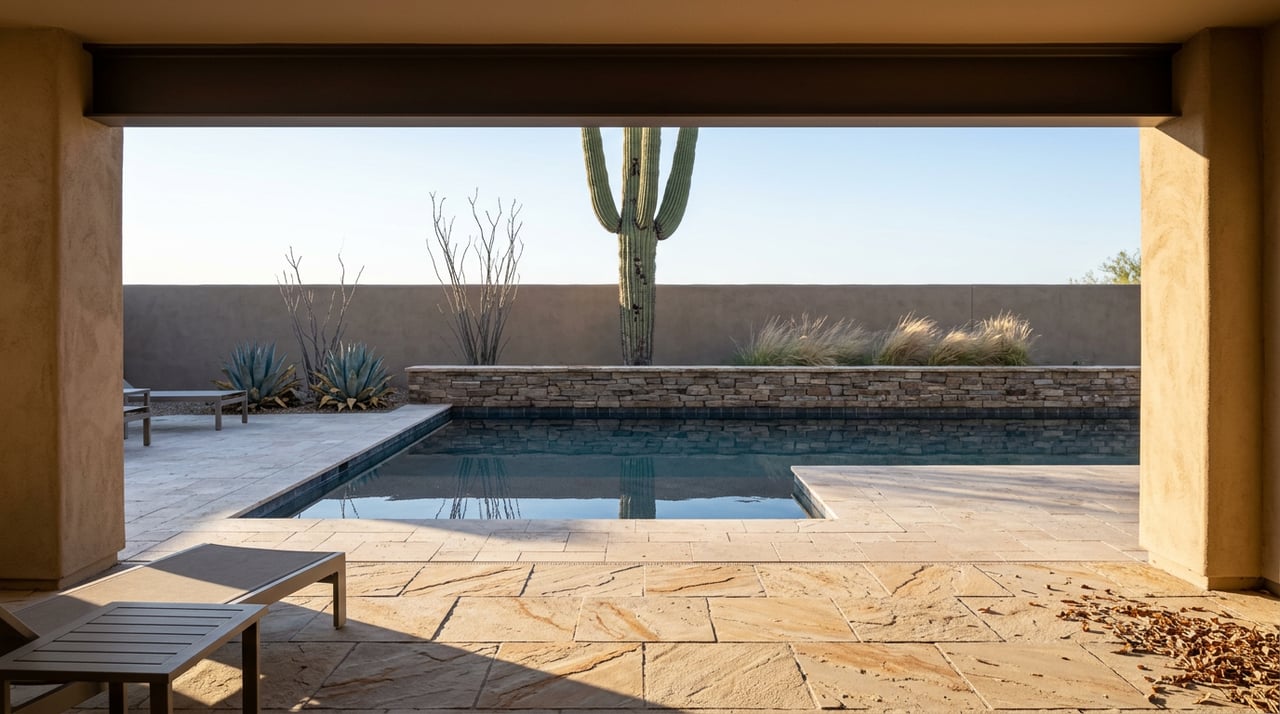
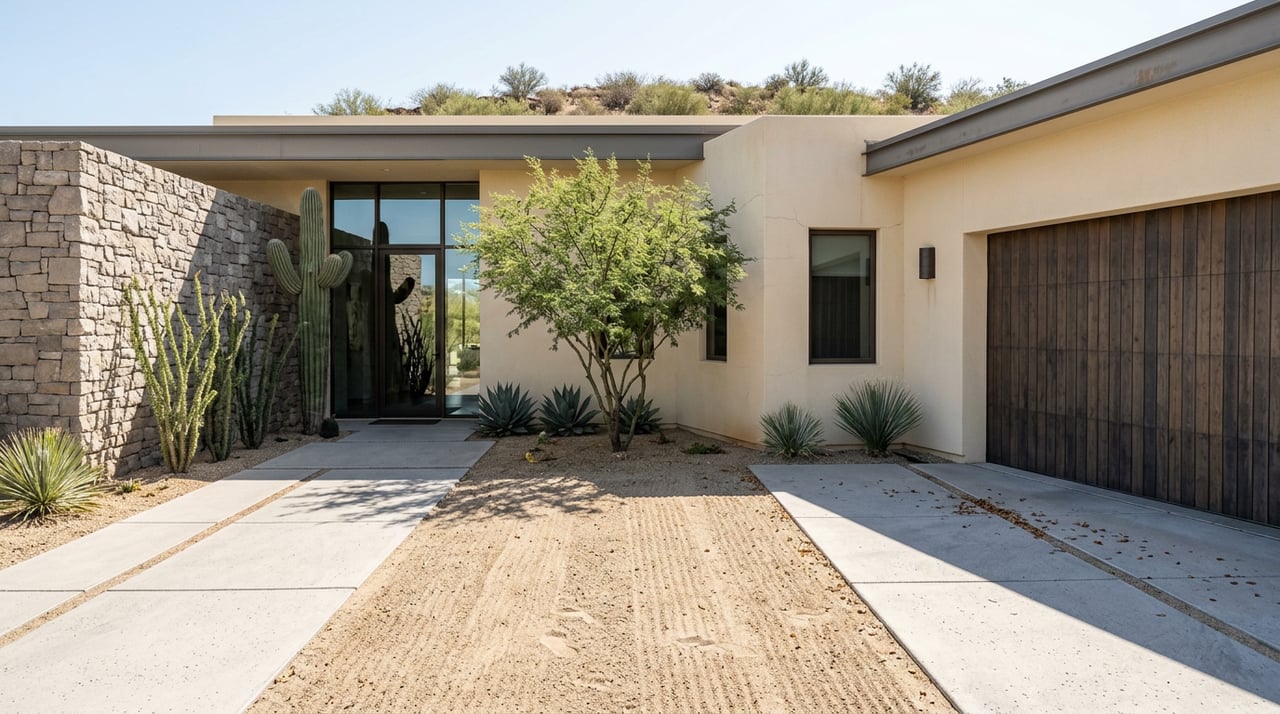
That context shapes how neighborhoods feel. In many other markets, open neighborhoods may feel busier or more exposed. In the Foothills, large lots, desert vegetation, topography, and mountain and valley views can create a strong sense of separation and privacy even without a gate.
The area is also largely unincorporated in its core, according to the Catalina Foothills Association. That makes community structure, HOA rules, and access design more relevant when you compare one neighborhood to another.
What Gated Neighborhoods Usually Offer
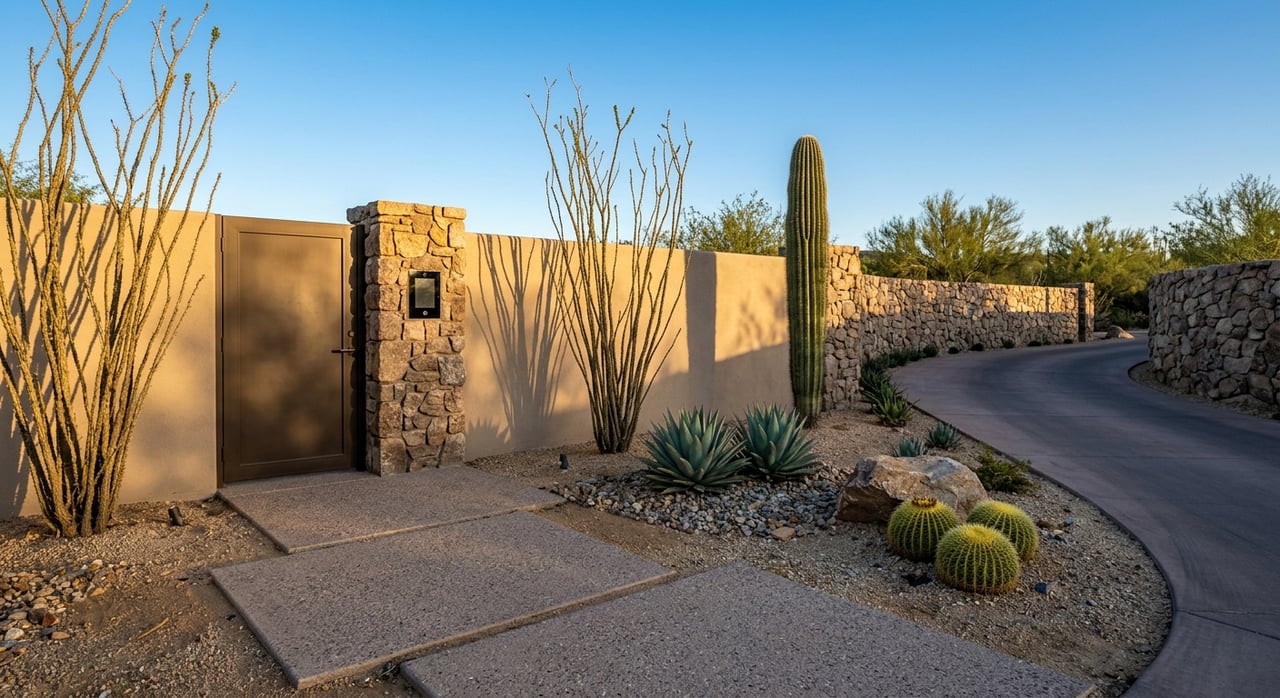
In Catalina Foothills, gated communities typically place a managed entry point between the public road and the neighborhood. That can mean a staffed gatehouse, monitored entrance, guard gate, or another controlled access setup depending on the community.
Local examples show that not all gates work the same way. Finisterra Estates describes a 24/7 manned gatehouse and shared amenities such as a clubhouse, pool, jacuzzi, tennis, and pickleball. Ventana Canyon notes a monitored gatehouse that screens traffic, while Skyline Country Club Estates directs visitors through a guard gate before entry.
For everyday living, the biggest difference is access management. Guests, service providers, and contractors may need to stop, check in, or use a code, which can make arrivals less spontaneous. In exchange, many buyers appreciate the more controlled feel that comes with a managed entrance.
Privacy and Entry Control
If privacy is high on your list, gated neighborhoods may feel more aligned with your goals. The entry point creates a clear break between the public street and the residential setting, and that can make the neighborhood feel more contained.
That said, the level of control can vary quite a bit. A staffed gatehouse offers a different experience than a keypad entry or a lightly monitored gate. When you tour homes, it helps to ask exactly how the gate operates rather than assuming all gated communities function the same way.
Amenities and Shared Spaces
Many gated Foothills communities also combine access control with shared lifestyle features. Depending on the neighborhood, that may include pools, clubhouses, racquet sports, golf-oriented amenities, or other resident spaces.
This is where details matter. Some amenities may be included through the association, while others may connect to a separate private club or membership structure. If you are comparing communities, it is worth confirming what is truly included in dues and what is optional.
What Open Neighborhoods Usually Offer
An open neighborhood in Catalina Foothills does not mean an unmanaged one. In fact, many non-gated neighborhoods are still shaped by detailed CC&Rs, design guidelines, and HOA oversight.
The Catalina Foothills Association states that Areas 1 through 6 are subject to CC&Rs and design guidelines that address setbacks, building heights, colors, architectural styles, land use, and protection of natural plants and habitat. It also notes that Areas 7 through 9 are subject to individual HOAs.
For buyers, that means the real contrast is often not rules versus no rules. It is more often controlled entry and concentrated amenities versus easier access and street-level openness, while governance may still be active in either setting.
Everyday Convenience
One of the biggest benefits of an open neighborhood is simpler daily access. Friends can arrive more directly, service appointments may feel easier to manage, and the overall flow in and out of the neighborhood can be more straightforward.
That can be especially appealing if you entertain often, have regular household vendors, or simply prefer less friction in your daily routine. In the Foothills, this convenience can come without giving up the calm and seclusion that many buyers want.
Privacy Without a Gate
Catalina Foothills has a long history of planning around privacy, views, and desert preservation. As a result, many open neighborhoods rely on lot size, setbacks, landscaping, and terrain to create a quiet, tucked-away feel.
Local planning also emphasizes screening and buffering around low-density neighborhoods. So while an open neighborhood does not have a physical barrier at the entrance, privacy may still be built into the land-use pattern itself.
Organization Without Controlled Access
A non-gated neighborhood can still be highly structured. In Catalina Foothills Estates #9, for example, HOA communications have addressed issues such as road sealing, street signs, mailbox upkeep, curbside trash and recycling service, parking rules, and architectural review.
That is a useful reminder for buyers. If you are choosing an open neighborhood because you assume it will be more hands-off, you will want to verify the actual rules, maintenance obligations, and review processes before you decide.
The Real Tradeoff: Gate Status or HOA Structure?
In Arizona, the HOA piece matters whether a neighborhood is gated or not. State law defines a planned community as one where owners are mandatory members and pay assessments, with governing documents that can manage common areas and impose restrictions on use, occupancy, or appearance.
In practical terms, many Foothills buyers are not choosing between structure and freedom. They are choosing between different kinds of structure. One community may focus more on gate operations and shared amenities, while another may focus more on architectural standards, roads, and neighborhood upkeep.
That is why a property-by-property review matters more than a label. The word “gated” tells you something, but not everything. The better question is how the neighborhood is actually run and how that matches your lifestyle.
Questions to Ask Before You Buy
If you are comparing gated and open neighborhoods in Catalina Foothills, these questions can help you make a sharper decision:
- Is the gate staffed, code-based, monitored, or absent?
- What does the HOA maintain, such as roads, common areas, landscaping, or the gatehouse?
- Are recreation features included in dues, or do they require separate memberships?
- What exterior changes require architectural review before work begins?
- How close is the home to trail access, washes, or scenic corridors?
These questions are especially important in the Foothills because local planning places strong value on scenic quality, open space, and trail access. A home’s setting and neighborhood structure often shape your day-to-day experience just as much as the home itself.
Which Option Fits Your Lifestyle?
If you prefer controlled access, a more managed arrival experience, and the possibility of concentrated amenities, a gated community may be the better fit. This option often appeals to buyers who want a more defined neighborhood entry and who value shared recreational features.
If you prefer easier in-and-out access and a neighborhood that feels less managed at the street level, an open community may suit you better. In Catalina Foothills, that can still come with meaningful privacy, thoughtful design standards, and a strong sense of place.
Neither option is automatically better. The right fit depends on how you define privacy, convenience, and community structure in your own daily life.
For luxury buyers in Catalina Foothills, that distinction becomes even more important. A gated estate, a resort-adjacent property, or a non-gated home on a secluded homesite can each deliver a very different living experience, even when price points appear similar.
If you want help comparing specific communities, HOA structures, and home sites in the Foothills, The Bonn Team offers discreet, highly tailored guidance grounded in local market knowledge.
FAQs
What is the main difference between gated and open neighborhoods in Catalina Foothills?
- In Catalina Foothills, gated neighborhoods usually emphasize controlled access and often include shared amenities, while open neighborhoods usually offer easier everyday access and may still have active HOA rules and design standards.
Do open neighborhoods in Catalina Foothills still have HOA rules?
- Yes. Many open neighborhoods are still governed by CC&Rs, design guidelines, or individual HOAs that can regulate items such as setbacks, exterior changes, land use, and neighborhood upkeep.
Are all gated communities in Catalina Foothills the same?
- No. Some have staffed gatehouses, some use monitored or code-based entry, and amenity offerings vary by community, so it is important to confirm how each neighborhood actually operates.
Can a non-gated Catalina Foothills neighborhood still feel private?
- Yes. Many open neighborhoods in the Foothills feel secluded because of large lots, setbacks, desert landscaping, topography, and long-standing planning around privacy and desert preservation.
What should buyers ask when comparing Catalina Foothills neighborhoods?
- Buyers should ask how entry access works, what the HOA maintains, whether amenities are included in dues, what architectural review is required, and how the property relates to trails, washes, and scenic corridors.