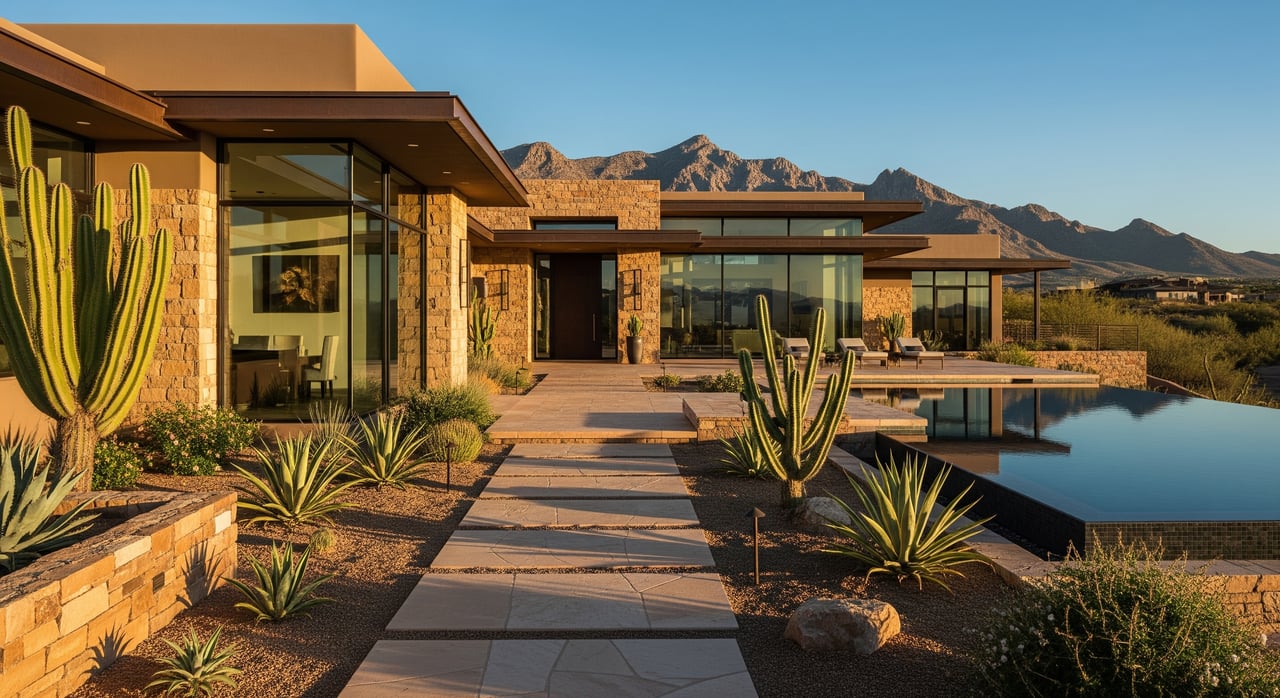
Selling or buying a custom estate in Oro Valley? The appraisal can make or break your deal. In a market defined by views, privacy, and bespoke finishes, getting value right takes skill and documentation. In this guide, you’ll learn how appraisals work for high‑end homes, what local factors drive value in Oro Valley, and how to prepare so the report supports your goals. Let’s dive in.
What an appraisal is
An appraisal is a licensed appraiser’s professional opinion of market value on a specific date. Lenders use it to help confirm that a property supports the loan amount. Appraisals also matter in private sales, estate planning, divorce settlements, and tax appeals.
Appraisals follow USPAP, a set of professional standards. In Arizona, appraisers are licensed and regulated by the state. For complex or higher‑value homes, lenders may require a Certified Residential or Certified General appraiser with relevant experience.
Why luxury appraisals differ
High‑end properties often have few true comparables. Custom architecture, large lots, and one‑of‑a‑kind amenities can make direct comparisons hard. Appraisers may widen the search radius and timeframe to find support, which increases the level of analysis.
For luxury homes, the Sales Comparison Approach is still primary. The Cost Approach can carry more weight for newer custom builds or when comps are limited. The Income Approach may apply if the property produces rental income. Expect a detailed narrative and reconciliation of multiple approaches.
Unique features require proof. Think smart‑home systems, professional‑grade kitchens, wine rooms, casitas, detached ADUs, high‑end finishes, extensive landscape and hardscape, or solar with battery storage. Appraisers will ask for plans, specs, invoices, and photos to justify adjustments.
Oro Valley value drivers
Oro Valley sits along the Santa Catalina and Tortolita foothills. The setting creates strong demand for indoor‑outdoor living and scenic backdrops. In this market, appraisers pay close attention to:
- Views: Santa Catalina, Pusch Ridge, and Tortolita vistas, plus sunset and city‑light orientations
- Lot characteristics: size, privacy, topography, buildable area, and usable outdoor spaces
- Construction quality: age, condition, and level of finishes
- Community context: gated settings, private golf clubs, equestrian facilities, and trail or national forest access
- Water and utilities: municipal water versus private well, reclaimed water or irrigation documentation
- HOA influence: design guidelines, covenants, restrictions, and special assessments
- Risk and insurability: wildfire or flood considerations that can affect buyer perception
Premiums for views and privacy are common in Oro Valley. The appraiser’s job is to isolate those premiums by comparing sales with similar view and lot attributes whenever possible.
How the process works
Here is what you can expect for a high‑end home in Oro Valley:
- Order and engagement. The lender or owner orders the appraisal and assigns an appraiser with appropriate credentials and local knowledge.
- Pre‑inspection review. The appraiser studies public records, prior sales, permits, and documents you provide, such as plans and invoices.
- Site visit. The appraiser measures living area, photographs the interior and exterior, and documents condition, views, and amenities.
- Comparable selection. The appraiser identifies the best available closed sales and may consider pending or active listings for context.
- Valuation approaches. Sales comparison leads, with cost and income methods used as needed. The appraiser reconciles to a final value opinion.
- Reporting. The written report often uses a standard form for single‑family homes with narrative addenda for complex features.
- Review and follow‑up. The lender reviews the report. If questions arise, a rebuttal or update may be requested with additional evidence.
Documents to have ready
The right paperwork helps the appraiser recognize and defend your home’s value. Prepare:
- Title or deed and parcel number
- Architectural plans, permits, energy certificates, and builder warranties
- A list of upgrades with receipts and contractor invoices
- Remodel documentation and professional cost estimates
- Photos highlighting views, key rooms, outdoor areas, and unique features
- Landscaping and irrigation details, plus water source or well records
- HOA documents and design guideline references
- Income documentation if the property has rental history
Common challenges and fixes
Luxury appraisals face recurring hurdles. Here is how to handle them:
- Lack of comparable sales. Work with your agent and appraiser to broaden the radius and look at older sales. Support with cost data and high‑quality comparables that mirror views, lot size, and finishes.
- Unique features. Provide invoices, specs, and photos for items like custom millwork, home automation, and specialized kitchens. Written proof supports credible adjustments.
- Quantifying view premiums. Offer photo comparisons and recent sales with similar orientations or ridgeline exposure. The goal is to isolate the view variable.
- Appraisal gap risk. If value lands below contract price, sellers can point to stronger comps and documentation or consider a pre‑listing appraisal. Buyers can plan for supplemental down payment, adjust contingencies, or request a reconsideration of value with additional evidence.
- Loan type requirements. Confirm whether the loan is conforming, high‑balance, or jumbo. Lenders may require specific forms or a higher appraiser credential for large loans.
- Water, septic, and access. Document water source, septic systems, drainage, and any easements. These factors can influence value and marketability in desert settings.
Timing, cost, and expectations
Luxury property appraisals often take longer and cost more than standard assignments. The added time covers expanded research, verification of custom features, and wider comparable searches. Turn times and fees vary by complexity. Build extra time into your closing calendar.
Tips for sellers
You want the appraiser to see the home the way a qualified buyer will. Small preparation steps can reduce friction and support value.
- Consider a pre‑listing appraisal for particularly unique homes.
- Compile a thorough upgrades file and a one‑page features summary.
- Stage key spaces and ensure all areas are accessible for measurement and photos.
- Provide neighborhood context: trail access, privacy buffers, or community amenities.
- Share any recent inspections, roof certifications, or system warranties.
Tips for buyers
Your lender will order the appraisal, but you can prepare, too.
- Ask early about appraisal requirements for jumbo or high‑balance loans.
- Review the contract timeline and plan for potential delays on complex properties.
- If a value shortfall occurs, coordinate with your agent and lender to submit new evidence or adjust terms.
- For income‑producing properties, provide rent history and expenses.
Working with experienced appraisers
For high‑value or complex homes, experience matters. A local appraiser who understands the Santa Catalina and Tortolita micro‑markets is better equipped to quantify view and privacy premiums. Lenders often prefer Certified Residential or Certified General appraisers for complex or higher‑value work. Ask about recent assignments in Oro Valley, comfort with custom features, and approach to scarce comparables.
View and lot premiums, explained
In Oro Valley, the difference between an internal lot and a prime ridgeline or golf‑adjacent lot can be significant. Appraisers look for sales with similar sight lines, orientation, and topography to support adjustments. When ideal matches are limited, a broader search paired with a reasoned narrative can help defend view and privacy premiums.
Water, utilities, and HOA factors
In a desert market, water documentation matters. Clarify municipal service versus private well and provide any irrigation records. If the property sits in an HOA, share covenants, design guidelines, and any assessments. These can influence property desirability, cost of ownership, and the appraiser’s analysis.
The bottom line for Oro Valley
High‑end home appraisals in Oro Valley hinge on accurate comps, verified custom features, and a clear case for views and privacy. With preparation and the right team, you can reduce surprises and keep your transaction on track.
Ready to position your property for a strong appraisal and a smooth closing? Connect with The Bonn Team to Request a Confidential Market Consultation. Our boutique approach, technical rigor, and local market expertise help you present value clearly and confidently.
FAQs
Who orders and pays for a luxury home appraisal in Oro Valley?
- In most financed purchases, the lender orders the appraisal and the buyer typically pays the fee as part of loan costs; for private use, an owner can order and pay directly.
What do appraisers look for in high‑end homes?
- Appraisers document living area, condition, quality of construction, views, lot attributes, outdoor living, and specialty amenities, then compare them to the best available sales.
How are unique features like casitas or wine rooms valued?
- The appraiser uses market support and documentation such as plans, specs, and invoices to make adjustments that reflect buyer demand for those features.
Why do luxury appraisals take longer and cost more?
- Fewer comparables, broader searches, and verification of custom elements require added research time, which increases both timeline and fee.
What if the appraised value is lower than the contract price?
- You can provide additional comparables and documentation for a reconsideration of value, renegotiate terms, or plan for a higher down payment to bridge the gap.
Should I get a pre‑listing appraisal for a unique property?
- It can be helpful for custom or one‑of‑a‑kind homes to reduce surprises during escrow and to support pricing strategy with a defensible report.
Do appraisers consider rental income for luxury homes?
- If the home produces rental income, the appraiser may apply an income approach alongside the sales comparison and cost methods.
How do views, lot size, and privacy affect value in Oro Valley?
- These factors often command premiums; appraisers look for sales with similar view corridors, lot characteristics, and privacy to quantify adjustments.
When is a Certified General appraiser needed?
- Lender requirements vary, but complex or high‑value properties and certain high‑balance loans may require a Certified General or Certified Residential appraiser with relevant expertise.
How do water source and irrigation systems factor into value?
- In desert markets, documented water source, well details, and irrigation systems can affect marketability, costs, and the appraiser’s analysis of comparable sales.