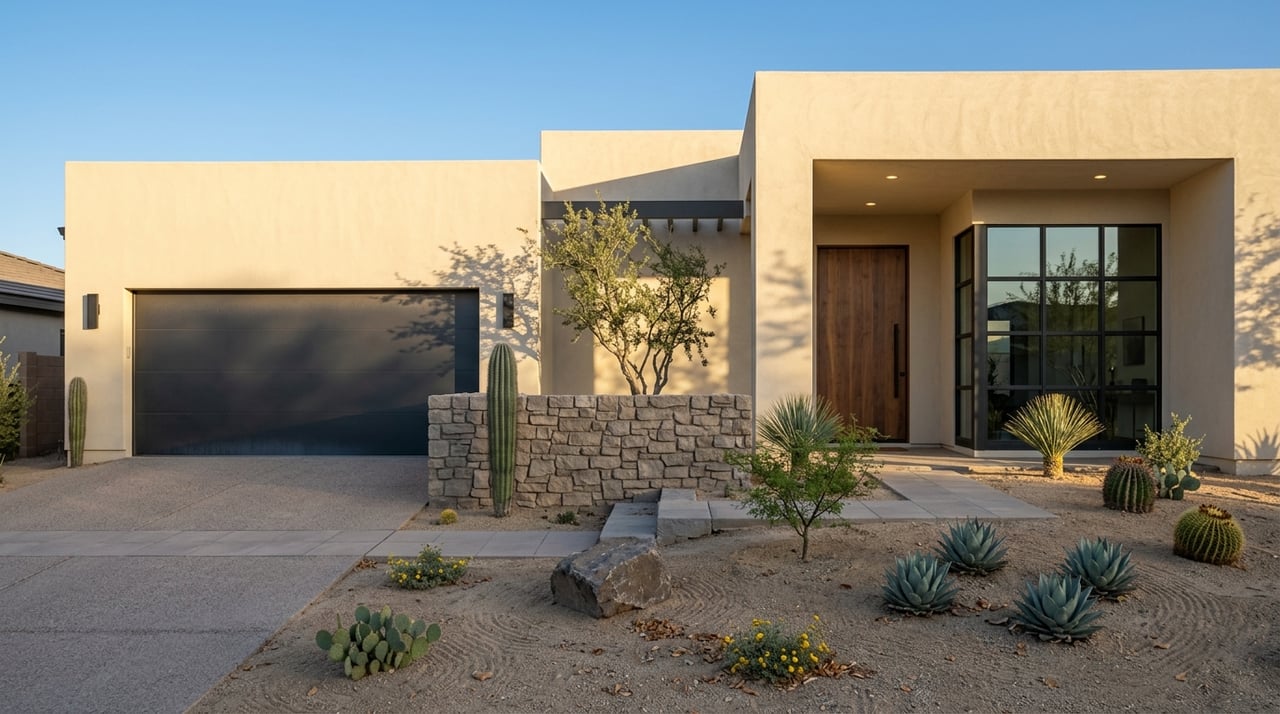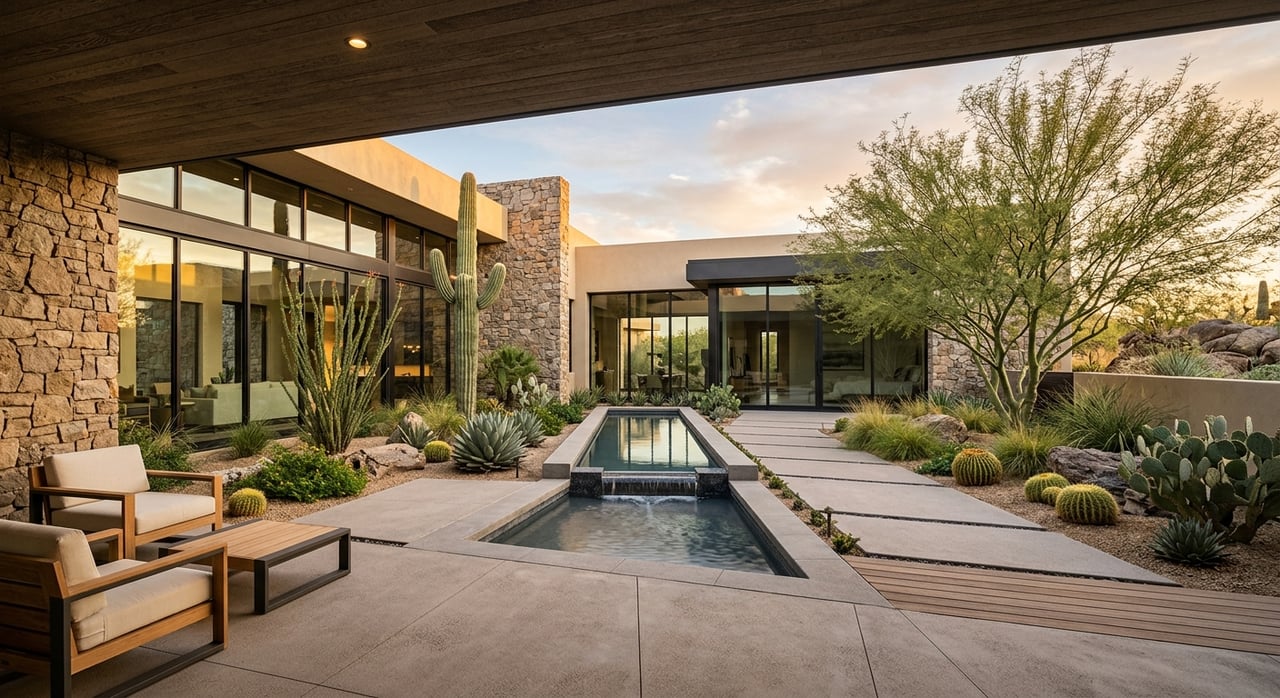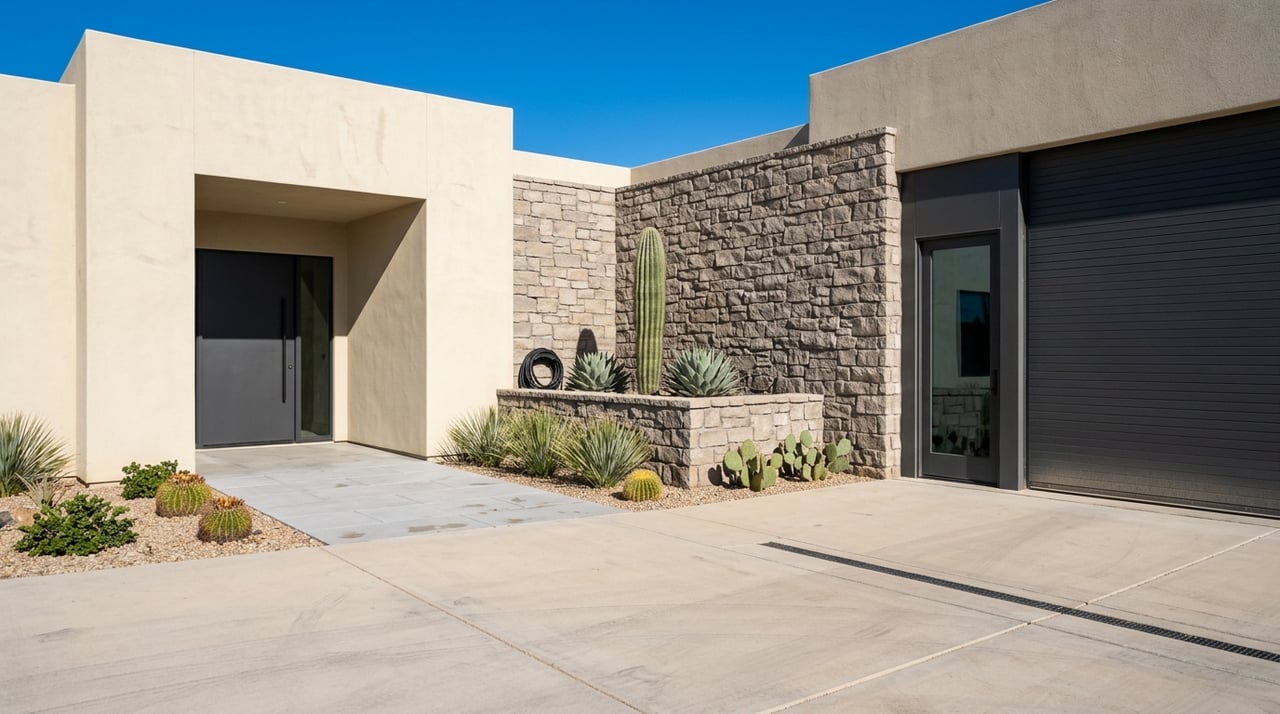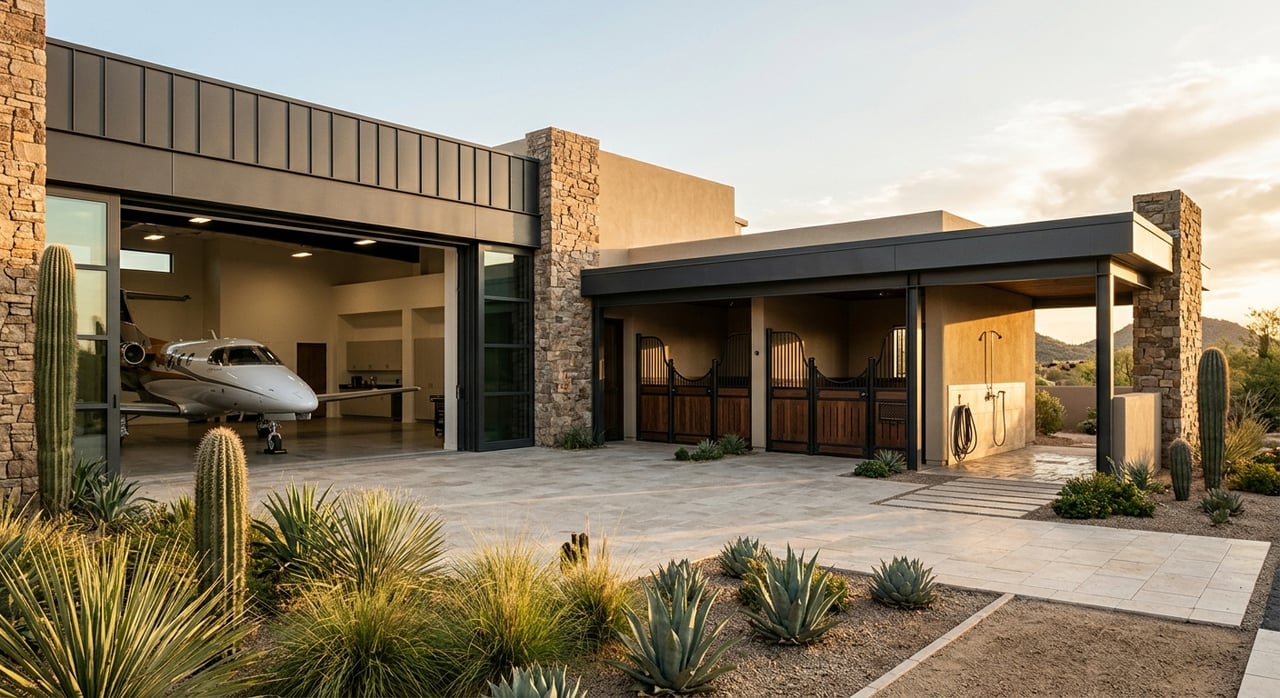
Picture this: your morning starts with a preflight from your own hangar, a smooth taxi to a private runway, and a short hop over the Santa Catalina Mountains before breakfast. If that sounds like your kind of routine, La Cholla Airpark in the Oro Valley area could be a strong fit. You might also be drawn to it for space, privacy, and room for horses or a workshop. In this guide, you’ll learn how the airpark works, what day‑to‑day life feels like, and the key checks to make before you buy. Let’s dive in.
Location and lifestyle context
La Cholla Airpark sits in the north Tucson corridor within Pima County, near Oro Valley and the Catalina Foothills. The region blends dramatic desert and mountain views with access to suburban services. You get a quieter feel than urban Tucson while staying within a typical driving radius of grocery, medical, and retail needs. Outdoor recreation is a highlight, with nearby trail systems, golf, and wide desert skies.
Runway-centered community design
Life here revolves around a private runway with connected taxiways. Many homes include attached or adjacent hangars, or large garages that can accommodate aircraft. Lot and driveway orientation often allows direct taxi access, so you move from hangar to runway without leaving the neighborhood. You should plan for community rules around runway use, quiet hours, and pattern procedures that help balance safety and neighborhood harmony.
What can you fly?
The community is geared to general aviation. You will commonly see single‑engine pistons, light twins, and owner‑flown high‑performance aircraft. Some residents operate experimental planes or small turboprops where configuration and runway conditions permit. For fuel and major maintenance, most owners rely on nearby public airports and full‑service FBOs.
Operations and etiquette
Expect local procedures that support safety and noise abatement. Night operations can be limited by available lighting or association rules. Some private runways require prior permission to land or have FAA notices that guide use. If you plan to fly regularly, confirm specific rules, any PPR requirements, and how the community handles touch‑and‑go activity.
Lots, hangars, and equestrian use
Many buyers come to La Cholla for acreage. Parcels often meet the needs of owners who want room for a hangar, a shop, or a small equestrian setup. If horses are part of your plan, focus on lots that provide several usable acres and confirm the zoning and association rules that apply.
Horse-friendly considerations
Keeping horses on site can be possible with the right lot and approvals. You should verify Pima County zoning, HOA or CC&R limits, permitted structures, and any per‑acre animal caps. Plan for turnout or paddocks, shade, and secure feed storage that works with desert conditions. Also consider access to local feed stores, equine veterinarians, farriers, and boarding or training resources in the Oro Valley and Tucson area.
Utilities for acreage living
On larger lots, septic is common, so test soils and review permits. Water source can vary by parcel, from municipal connections to wells or hauled water. Power capacity should match your hangar or barn load, and it is wise to check internet options if you work from home. Many owners explore solar and battery backup given the strong solar potential in Southern Arizona.
Everyday living: privacy, community, and routine
La Cholla Airpark offers a blend of privacy and community. You get larger lots, desert scenery, and significant personal space. At the same time, you share runway and taxiway infrastructure, which often leads to friendly pilot culture and practical collaboration on maintenance. The pace is relaxed, with aviation activity defining the neighborhood’s soundtrack.
Noise and activity levels
Aircraft movements are the main source of noise. Most residents seek or accept this, but if you are new to airparks, visit at different times of day and on weekends to get a feel for patterns. Many communities adopt quiet hours and noise‑abatement procedures to reduce impact, though the specifics vary.
Commute and access to services
Oro Valley offers everyday services, from groceries to healthcare, within a typical drive. Central Tucson provides broader dining, culture, and nightlife. If you plan to commute during peak hours, test your route and timing. You can keep a quiet retreat at home while still connecting quickly to the region’s amenities.
Desert climate realities
You live in the Sonoran Desert, which brings hot, clear summers and a distinct monsoon season from mid‑June to September. Winter is mild and dry. For aviation, the main seasonal factor is density altitude, which affects aircraft performance on hot days. For horses and landscaping, plan for dust control, irrigation needs, and sun protection.
Seasonal flight considerations
Monsoon storms can compress flying windows and create brief ground delays. High summer temperatures raise density altitude, which may influence takeoff performance and climb rates. If you are new to desert flying, build seasonal planning into your routines and consider early morning departures in summer.
Fire and land management
Wildfire risk exists during dry months. Create defensible space around structures and store hay and fuel safely. Blend native, drought‑tolerant landscaping with shaded areas and windbreaks that work for both horses and people. Your insurance carrier and local fire district can advise on mitigation practices for your specific lot.
Is La Cholla a fit for you?
Ask yourself a few quick questions:
- Do you value direct runway access over a traditional suburban setting?
- Will you enjoy a small, aviation‑minded community where rules support safety and quiet?
- Do you want space for a hangar, shop, or small equestrian setup on a desert lot?
- Are you comfortable with shared maintenance for runway and taxiways?
- Can you plan for desert climate realities, from heat to monsoon season?
If you answered yes to most, La Cholla Airpark likely aligns with your lifestyle.
Before you make an offer
Use this short checklist during showings and contract prep:
- Runway and taxiways
- Confirm surface type, length and width, lighting, and any prior permission required.
- Ask for current runway rules and noise‑abatement procedures.
- HOA and governance
- Request CC&Rs, bylaws, and recent meeting minutes.
- Review any restrictions on fuel storage, commercial maintenance, and hangar use.
- Maintenance and fees
- Verify how runway and taxiway repairs are funded.
- Check reserve funds, recent assessments, and planned projects.
- Title and easements
- Confirm legal description, runway and taxiway easements, and utility easements.
- Zoning and permits
- Verify Pima County zoning and permit pathways for hangars, barns, arenas, and accessory structures.
- Utilities and systems
- Confirm water source, septic status, power capacity, and internet availability.
- Insurance
- Talk with home and aircraft insurers about coverage for runway‑adjacent property and hangar liability.
- Environmental and safety
- Review floodplain maps, drainage, and wildfire risk. Confirm fire response coverage.
Practical tips for pilots
- Visit at different times to observe traffic, preferred patterns, and community rhythms.
- Ask about night lighting, noise procedures, and any touch‑and‑go limits.
- Plan for fuel at nearby public airports and schedule major maintenance off site.
- Build summer density‑altitude planning into performance calculations and departure timing.
Practical tips for horse owners
- Confirm animal limits and structure rules with both the HOA and Pima County.
- Design paddocks, shade, and storage with dust control and heat in mind.
- Line up local equine services in advance, including vets, farriers, and feed delivery.
- Consider water‑wise native landscaping to balance turnout with low irrigation needs.
Runway home vs standard acreage
Choosing a runway community comes with distinct tradeoffs. You gain direct aircraft access, a built‑in pilot network, and a unique lifestyle. In return, you accept shared governance for the runway, set procedures, and the costs of maintaining aviation infrastructure. A traditional acreage lot may offer fewer rules, but it will not deliver the same direct flying experience.
How The Bonn Team helps
Buying into a residential airpark blends lifestyle goals with technical due diligence. You want a clear picture of runway operations, governance, and long‑term maintenance, along with the right lot for your hangar or equestrian plans. Our approach pairs concierge‑level service with meticulous review of documents, permits, and property systems. We help you compare parcels, coordinate inspections, and structure terms that protect your interests.
Ready to explore La Cholla Airpark with a team that understands aviation, acreage, and luxury presentation? Reach out to The Bonn Team to Request a Confidential Market Consultation.
FAQs
Can you keep horses at La Cholla Airpark?
- Possibly. Confirm Pima County zoning and the HOA or CC&Rs for animal limits per acre, structure permits, setbacks, and manure management rules.
Are there limits on hangars and maintenance work?
- Many airparks restrict commercial activity and on‑site fuel storage. Review the HOA rules and local codes to understand what is allowed.
How noisy is a runway neighborhood day to day?
- Noise depends on the number and type of aircraft movements. Expect general aviation activity, and visit at different times to gauge your comfort level.
Who pays for runway and taxiway repairs?
- Costs are typically shared through an HOA or runway association. Request financials, reserves, and recent assessments to understand your exposure.
How far is it to services in Tucson and Oro Valley?
- Oro Valley is suburban, with everyday services within a typical drive. Map your routes during commute hours to confirm realistic travel times.