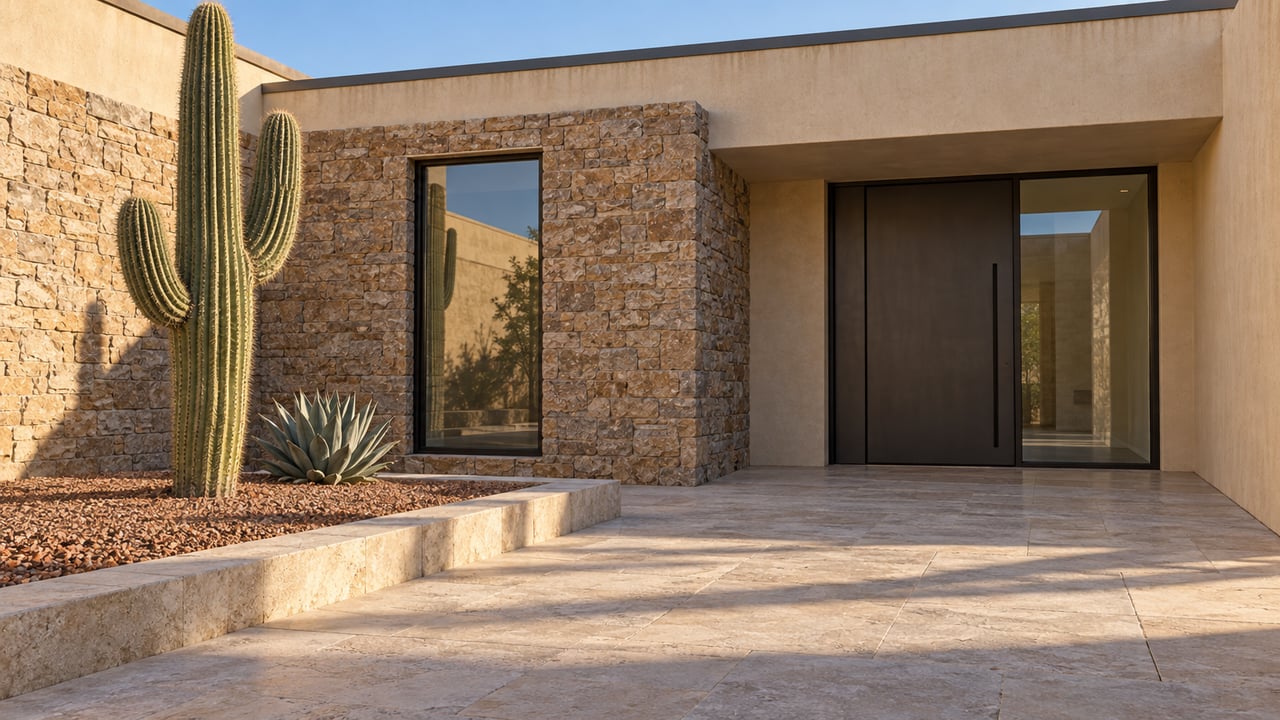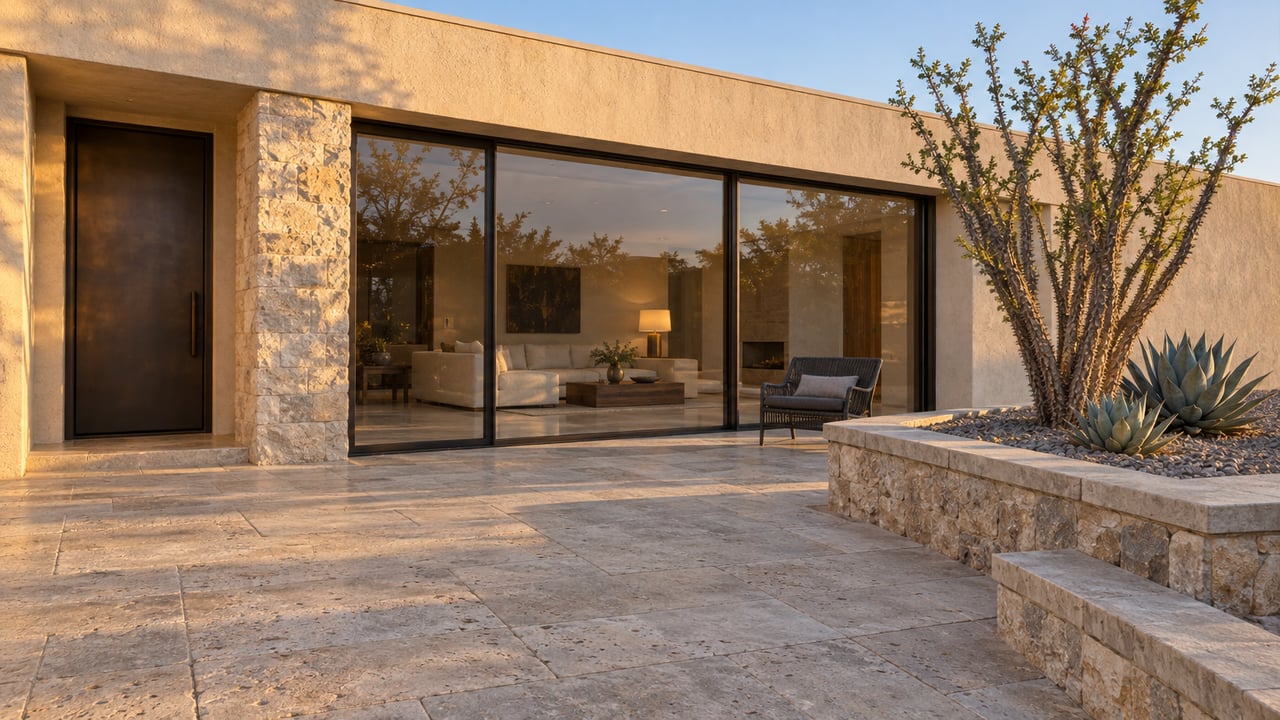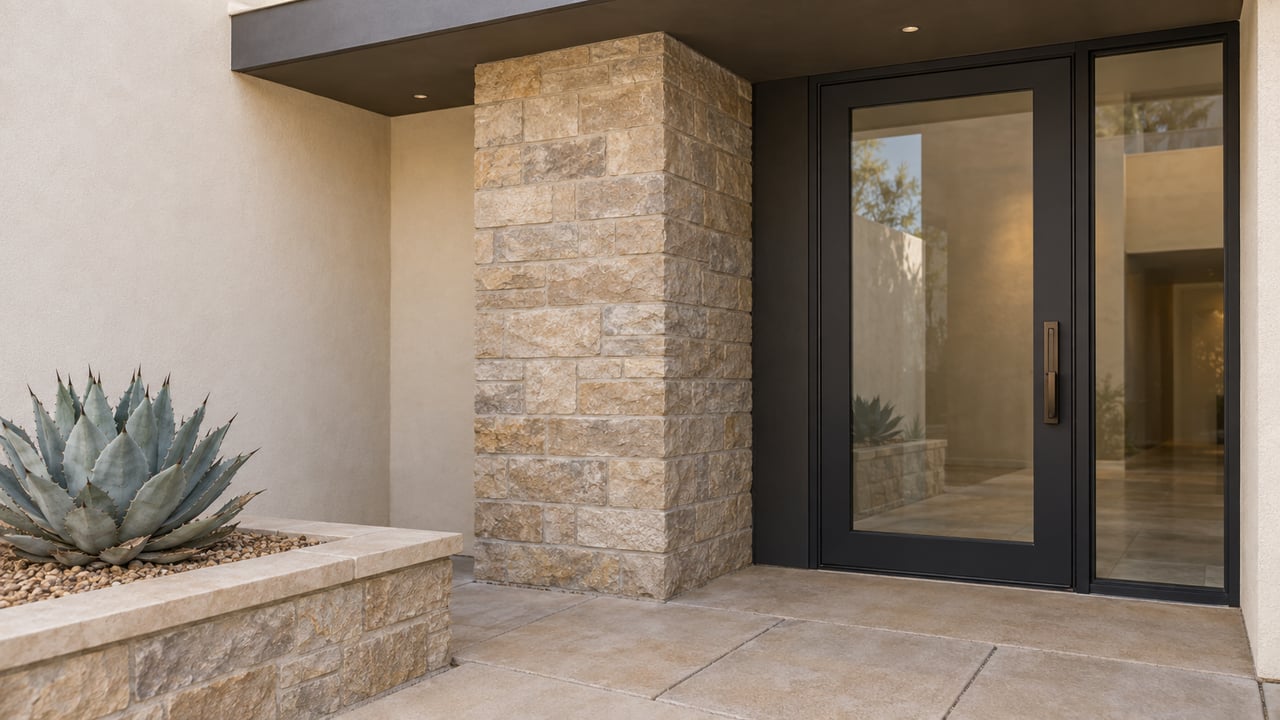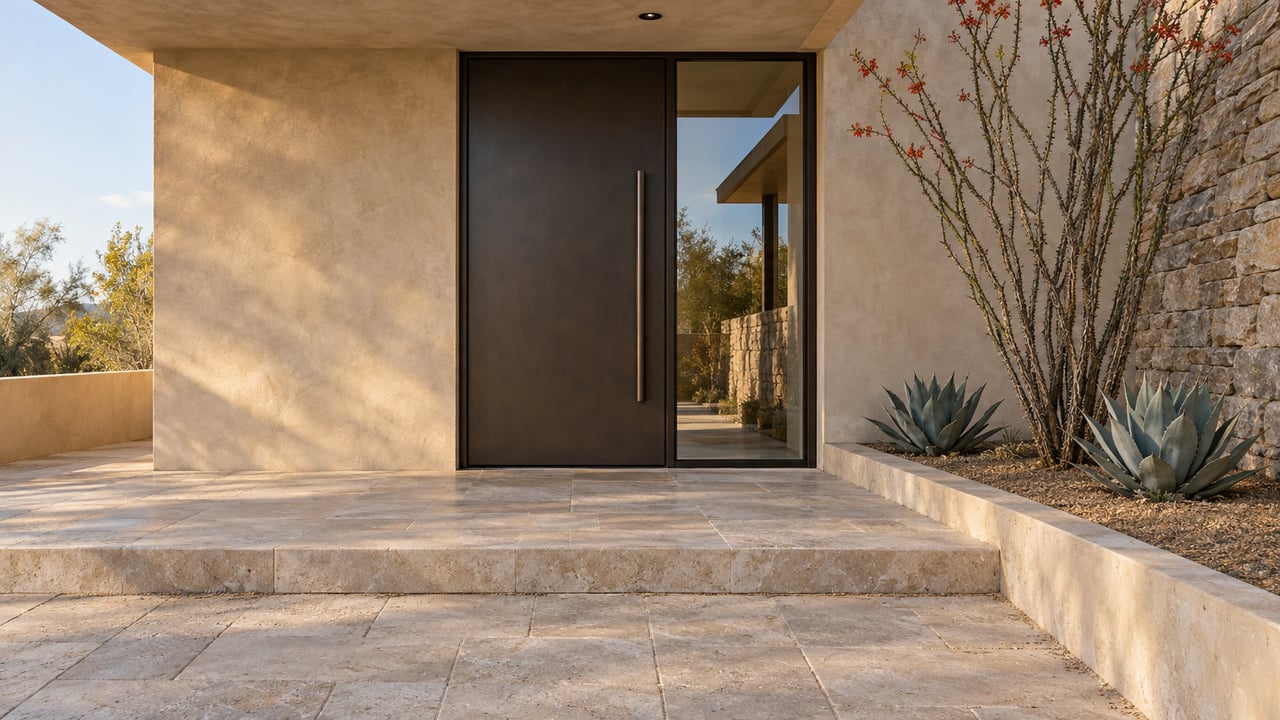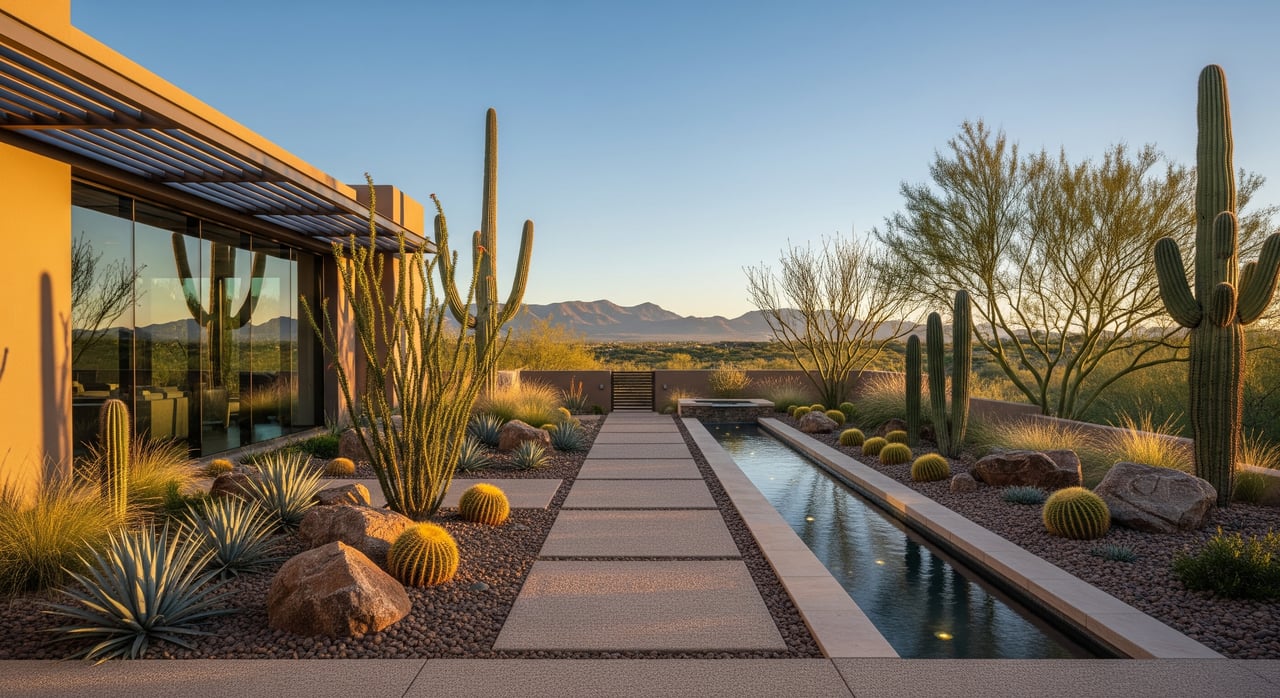
What if your Oro Valley yard could look resort-ready while using a fraction of the water? Designing for the Sonoran Desert can feel intimidating, especially if you want a luxurious result that still respects the climate. You deserve a landscape that elevates your home’s architecture, lives beautifully year-round, and keeps maintenance sensible. This guide gives you a clear plan for plant choices, irrigation, safety, permits, and ROI tailored to Oro Valley’s luxury properties. Let’s dive in.
Oro Valley essentials
Oro Valley sits in the Sonoran Desert with hot summers, a pronounced monsoon season from mid-June through September, and mild winters with occasional freezes. Annual rainfall is low, typically around 10 to 13 inches, so landscapes must handle long dry stretches and short bursts of intense rain. Soils are often sandy or gravelly with caliche pockets, which affects drainage and irrigation rates. Plan major planting for fall through early spring to help roots establish before heat arrives.
Design for luxury and longevity
A luxury desert landscape balances high-end finishes with water efficiency and ease of care. Start by grouping plants by water need so your irrigation supports each zone precisely. Use a layered composition with canopy trees for shade, midstory shrubs for privacy and texture, and sculptural succulents as focal points. Finish with decomposed granite or gravel to unify the space and control weeds.
Hydrozones and layout
Place high-need plants closer to water sources and living areas, then step down to ultra-low irrigation zones along the perimeter. Keep turf or artificial turf limited to purposeful areas. Design walkways, patios, and sightlines first, then weave planting pockets around them.
Layered curb appeal
In front, favor a clean, balanced look with low-growth plants that keep sightlines open and entries welcoming. Choose mature-size specimens where it makes sense for instant impact. In back, you can introduce more variety, from shady patios to native habitat areas and meandering gravel paths.
Hardscape as the backbone
Premium pavers, natural stone, raised planters, and large boulders create structure that looks refined and uses little water. Coordinate colors and textures with your home’s exterior for a cohesive feel. Integrate low-voltage lighting to showcase plants and improve safety after dark.
Integrate lighting and irrigation
Concealed drip lines and well-placed fixtures raise perceived quality and usability. Aim for a system that disappears visually yet delivers efficient water and beautiful ambience.
Plant palette that thrives
Choose plants adapted to heat, alkaline soils, and episodic rainfall. Always confirm HOA rules and protected-plant regulations before you dig.
Canopy and accent trees
- Palo verde (Parkinsonia spp.) for filtered shade and spring bloom.
- Mesquite (Prosopis spp.) for character, dappled shade, and habitat value.
- Desert willow (Chilopsis linearis) for summer flowers and an airy form.
- Ironwood (Olneya tesota) for strong structure and longevity. Provide deep, infrequent irrigation during establishment so trees develop resilient root systems.
Shrubs and understory
- Creosote (Larrea tridentata), a hardy backdrop for space and movement.
- Fairy duster (Calliandra californica) for color and pollinator interest.
- Brittlebush (Encelia farinosa) for silvery foliage and spring bloom.
- Texas sage (Leucophyllum spp.) for bursts of color after humidity spikes. Use shrubs for privacy, massing, and seasonal contrast.
Sculptural succulents and cacti
- Agave and yucca for bold form and symmetry.
- Barrel cactus for low, architectural accents.
- Prickly pear (Opuntia spp.) and cholla for texture and seasonal interest. Many native cacti, especially saguaro, are protected. Check local and state rules before any removal or transplanting.
Groundcovers and turf alternatives
Decomposed granite or gravel creates a clean, durable finish. Consider native grasses for gentle movement and small, functional pockets of living turf if needed. High-quality artificial turf can work well in activity zones where irrigation would otherwise be high, subject to HOA acceptance.
Smart water and irrigation
Drip irrigation is standard for arid landscapes. Use dedicated lines for trees, shrubs, and succulents so each zone gets the right amount.
- Trees: Deep, infrequent watering with bubblers or slow-soak emitters builds strong roots.
- Controllers: Weather-based or soil-moisture-sensing smart controllers reduce waste. Adjust seasonally, cutting back in winter and pausing during heavy monsoon rains.
- Efficiency: Install pressure regulators and high-quality emitters. Limit spray irrigation to small, specific areas.
- Capture: Where allowed, consider rainwater harvesting to supplement irrigation for non-potable use.
Maintenance made simple
Thoughtful design lowers upkeep while keeping your landscape vibrant.
- Quarterly: Inspect drip lines and emitters, confirm controller programming, and test backflow devices if required.
- Annually: Prune selectively after monsoon season to remove deadwood and reduce pest harborage. Schedule certified arborist care every few years for specimen trees.
- Monitoring: Watch for scale insects, spider mites, and fungal issues after heavy rains. Use integrated pest management for targeted, minimal treatments.
- Winter: Protect young or sensitive plants with frost cloth during cold snaps.
Wildfire and drainage safety
Oro Valley’s proximity to wildland areas makes defensible-space planning important. Maintain a reduced-fuel zone around structures, prune lower branches, and remove dead plant material. Choose low-flammability, irrigated beds or lawn pockets close to the house to improve defensibility.
Monsoon events demand smart drainage. Use swales, dry riverbeds, permeable surfaces, and properly sized drains to move water away from foundations. Large boulders and retaining walls can stabilize slopes and add drama, and may require engineered design on steep sites.
Permits, HOAs and protected plants
Before committing to a design, check HOA rules for plant lists, gravel colors, artificial turf, wall heights, and front-yard appearance standards. Work with the Town of Oro Valley on permits for grading, retaining walls, major water features, pools, and other structural elements. Saguaros and other native plants are protected under Arizona and local regulations, so get guidance before removal or transplanting. Local water utilities and regional programs may offer conservation guidelines or rebates for turf removal and smart controllers. Verify current options before you start.
Budget, ROI and resale
High-end desert landscapes often include specimen trees, large boulders, custom lighting, and comprehensive irrigation, which raises upfront costs compared with basic xeriscapes. Over time, you typically spend less on water and routine care than with traditional lawns, though tree maintenance and system tune-ups still matter. Artificial turf can cut water use to near zero for those areas, but weigh heat, longevity, and HOA acceptance.
For resale, a landscape that aligns with the Sonoran Desert aesthetic enhances curb appeal and buyer confidence. Mature shade trees, shaded patios, integrated lighting, and well-planned outdoor living areas are consistent value drivers. Overly lush, non-native lawns can feel out of step with local conservation priorities.
Hire the right landscape pro
When interviewing designers and contractors, ask about:
- Experience with Sonoran Desert projects and local luxury installs.
- Proof of licensing and insurance appropriate to the project scope.
- Proficiency with drip systems, smart controllers, and hydrozoning.
- Comfort with Town of Oro Valley permits and HOA processes.
- Warranty terms on plants and hardscape, plus maintenance packages for irrigation and tree care.
Your step-by-step plan
- Assess site and rules: Document sun, slope, soil, and microclimates. Review CC&Rs and protected-plant constraints.
- Define uses: Map entries, views, seating, cooking, play, and privacy.
- Set hydrozones: Place higher-water plants near living areas, low-water plants outward.
- Select plants: Choose shade trees, midstory shrubs, and focal succulents matched to microclimates.
- Engineer water: Design drainage for monsoon flows and specify efficient drip with smart controls.
- Choose materials: Align stone, gravel, and lighting with the home’s architecture.
- Install in cool seasons: Plant fall through early spring and program seasonal irrigation from day one.
Ready to elevate your outdoor spaces for daily enjoyment and long-term value? If you are planning to sell or considering improvements that resonate with Oro Valley’s luxury buyers, connect with The Bonn Team for tailored guidance on design choices that support your goals.
FAQs
When to plant in Oro Valley?
- Fall through early spring gives roots time to establish before summer heat. Avoid peak summer installs unless irrigation is carefully managed.
Are saguaros protected on private property?
- Yes. Many native plants, including saguaros, are protected. Consult local and state authorities before removing or moving any protected specimen.
How much water will a desert landscape use?
- Properly designed drip systems with hydrozones typically use far less water than traditional lawns. Actual use depends on plant selection, lot size, and programming.
Do I need permits for hardscape work?
- Projects like grading, retaining walls, pools, and major water features may require permits from the Town of Oro Valley. Confirm requirements before starting.
What reduces wildfire risk near my home?
- Maintain a reduced-fuel zone, remove dead material, prune lower branches, and use low-flammability, irrigated beds close to structures.
Can I remove turf to save water?
- Yes, but check your HOA rules and explore local conservation programs or rebates for turf removal and smart controllers before you begin.