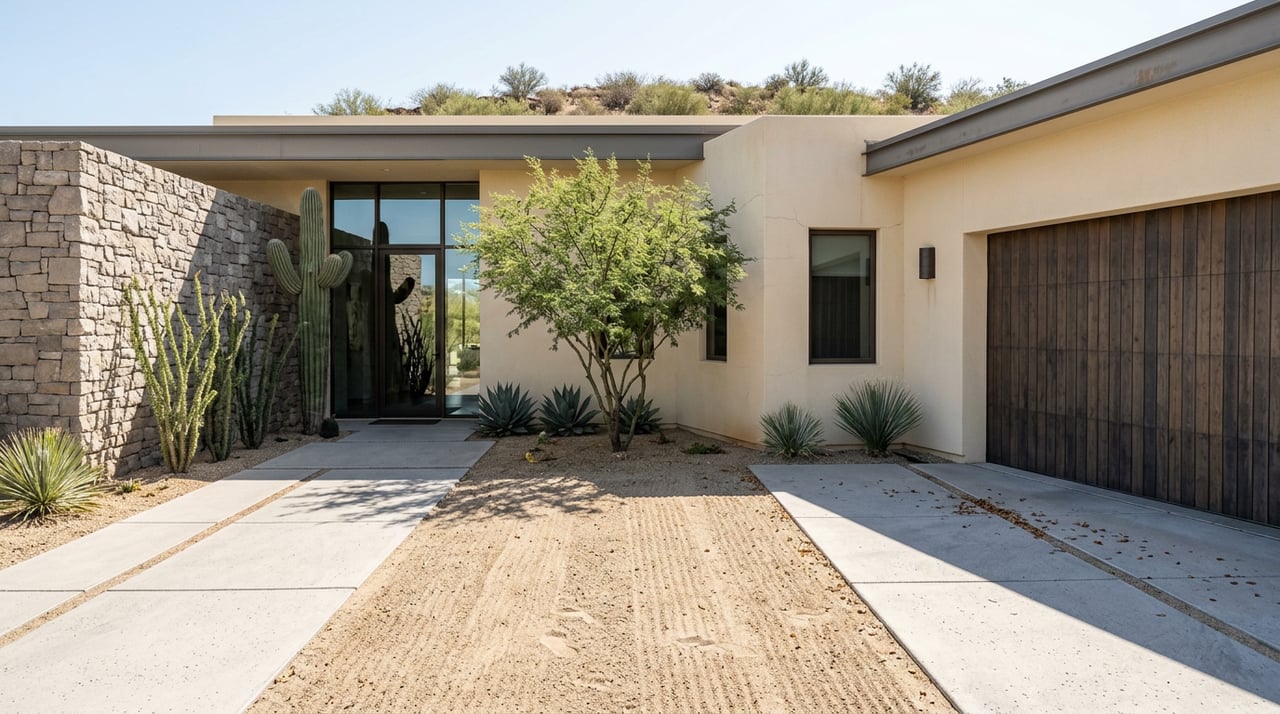
Ask most buyers touring Rancho Vistoso who runs the community, and they'll say the Vistoso Community Association. That's correct. Some gated enclaves and condo clusters also have a sub-association, with separate dues, architectural rules, and an approval process alongside the master HOA's.
For buyers and sellers, identifying which associations apply can clarify the dues, disclosure requirements, and approval processes tied to a property.
The Master Association and Sub-Associations
Rancho Vistoso was formed as a Planned Area Development in Oro Valley in the 1980s, and the Vistoso Community Association has governed it since. The VCA is the master association, the one whose name shows up on title reports and welcome packets, and it's managed day to day by FirstService Residential, which took over the contract from a prior management company. The VCA collects quarterly assessments, due the first of January, April, July and October, and maintains the community's shared infrastructure: eleven neighborhood parks it owns outright, including Wildlife Ridge Park, Hohokam Park, Big Wash Park and Honey Bee Canyon Park, plus the walking paths that stitch the neighborhoods together.
What the master association does not do is govern everything. Layered inside Rancho Vistoso are dozens of gated enclaves and condo communities, each with its own sub-association: Center Pointe Vistoso, St. Andrews, Vistoso Hills and others, each carrying separate dues, its own CC&Rs, and often its own management contract. Buy into one of these and you owe two sets of assessments, answer to two boards, and follow two rulebooks whenever you want to change anything visible from the street.
Sellers listing a home in one of these enclaves sometimes assume the master HOA's paperwork covers the sale. It doesn't. The sub-association has its own resale disclosure requirements, its own compliance history to check, and in many cases its own architectural sign-off on anything the seller touched before listing.
Architectural Review Timelines
The two association layers may have separate architectural review processes. The VCA's Architectural and Landscaping Review Committee, made up of three to five owner volunteers chaired by a board member, reviews every exterior change inside the community: repainting, landscaping, solar installations, pools, driveway coatings, security doors, grading changes. If your project matches an already-approved option, like a paint color already on the community's palette, approval is close to automatic. If it doesn't, or if it requires any variance from the governing documents, the guidelines allow up to 30 days for processing.
That 30-day allowance applies at the master level. If your home sits inside a sub-association, its own architectural committee reviews the same project separately, on its own timeline.
A seller who repaints the exterior three weeks before listing, expecting the fresh coat to read as move-in ready in photos, can find themselves waiting on sign-off from a committee that meets monthly rather than on demand. A buyer who plans to add a pool or resurface a driveway right after closing needs to submit to whichever committees apply before the concrete truck is scheduled, not after.
These approval timelines may affect when exterior work can begin or when a home is ready to list.
What Actually Differs Between The Two Layers
| Master Association (VCA) | Sub-Association (varies by community) | |
|---|---|---|
| Governs | All of Rancho Vistoso, roughly 7,000 homes across 31 neighborhoods | A single gated enclave or condo cluster within Rancho Vistoso |
| Manages | FirstService Residential | Varies; often a separate management company |
| Dues schedule | Quarterly, due the 1st of Jan, Apr, Jul, Oct | Set independently by the sub-association's board |
| Architectural review | ALRC, up to 30 days for anything requiring a variance | A separate committee, on its own schedule |
| Shared assets | 11 VCA-owned parks, the Vistoso Trails Nature Preserve | Community-specific amenities such as gates, private pools or clubhouses |
The practical consequence: a buyer comparing two Rancho Vistoso listings at similar prices isn't just comparing lot size and finishes. They're comparing how many approval layers stand between them and any exterior change they want to make, and how much that second layer of dues adds to the real monthly cost of ownership.
The Arizona Law That Caps The Fee, Not The Wait
According to Mulcahy Law Firm, Arizona statute limits what an association can charge for the paperwork a sale requires. Under the state's disclosure rules for planned communities and condominiums, an association can charge no more than $400 in aggregate for the resale disclosure package, and no more than $100 for a rush request completed within 72 hours.
That law protects the dollar amount. It says nothing about the architectural review calendar, and it doesn't compress a 30-day processing window into a 10-day one just because you're in escrow. The fee cap and the approval timeline are two different constraints, and confusing one for the other is exactly how a seller ends up surprised.
Yard and Estate Sale Schedule
Rancho Vistoso restricts yard and estate sales to designated dates, generally one weekend in spring and one in fall, with case-by-case exceptions considered outside those windows. For a downsizing seller planning to liquidate furniture and belongings before a move, this means checking the community calendar when planning the estate sale. If the timing does not fit, sellers can check whether an exception is available or consider consignment, an online marketplace, or donation.
What This Means At The Closing Table
For anyone buying or selling inside Rancho Vistoso, the practical checklist looks different from a standard Oro Valley transaction:
- Confirm in writing whether the property sits inside a sub-association, and get that association's CC&Rs and dues schedule alongside the VCA's, not instead of them.
- If any exterior work is planned before listing or right after closing, submit the architectural request the same week the decision is made, not the week before you need it done.
- Check both the VCA's quarterly due dates and the sub-association's separate billing cycle when calculating the true carrying cost of the home.
- If a move-out sale is part of the plan, check the community calendar for the next designated sale weekend before setting a moving timeline.
- Ask for the statement of assessments early. The 10-day statutory window is a floor, not a guarantee that an association already has the paperwork assembled.
These items are worth reviewing early in a transaction so buyers and sellers can account for the requirements that apply to the specific property.
FAQ
Does every neighborhood in Rancho Vistoso have a sub-association? No. Some sections fall under the VCA alone with no additional gated or condo association layered on top. Others, particularly gated enclaves and condo clusters, carry a second HOA. This has to be confirmed property by property.
Who do I contact if I'm not sure whether my architectural project needs master approval, sub-association approval, or both? Start with FirstService Residential for the master association's requirements, then check with the specific sub-association's management contact if one exists. Confirm which approvals apply before beginning a project.
What happens if a seller made changes without architectural approval? The compliance history is generally part of what the association discloses at resale, and outstanding violations can become the buyer's problem after closing if they aren't resolved beforehand. Confirming compliance status early, not at the inspection deadline, avoids this.
Buying or selling inside a layered HOA structure like Rancho Vistoso's rewards preparation over speed. If you're weighing a purchase here or planning a sale and want the specific timeline questions answered before you're under contract, The Bonn Team offers a Request a Confidential Market Consultation to walk through exactly what your address requires before you list or write an offer.
This article is general information, not legal, tax or financial advice. Consult a qualified professional about your situation.